There is a distinction between a sewer blockage and a stormwater blockage in Australia and this guide is intended to be of practical use in making that identification, enlisting the proper assistance and precluding any messy reoccurrence. Wastewater from your home is what a sewer blockage will impede; with stormwater it is the rainwater that cannot get away from your street, driveway, yard or roof.
It is an important difference as the risks, symptoms and the party held responsible are not the same. You might put a sewage odour and a gurgling toilet down to the sewer pipes. Should water be pooling following a downpour then the stormwater drains are more likely at fault. For more on blocked drains problems Melbourne, it helps to know which system is affected. In Melbourne one can have a quiet driveway become something of a shallow pool in short order with heavy rain; an early call could mean you do not have to put up with damage or an uncomfortable talk with your insurer.
Evelyn Marlowe has put together this comparison for the homeowner or tenant in Australia wanting some straight answers free of plumbing terminology. It will address realistic costs, diagnosis, prevention and the like when it comes to a case of sewer versus stormwater blockage.
Start With The Right Diagnosis
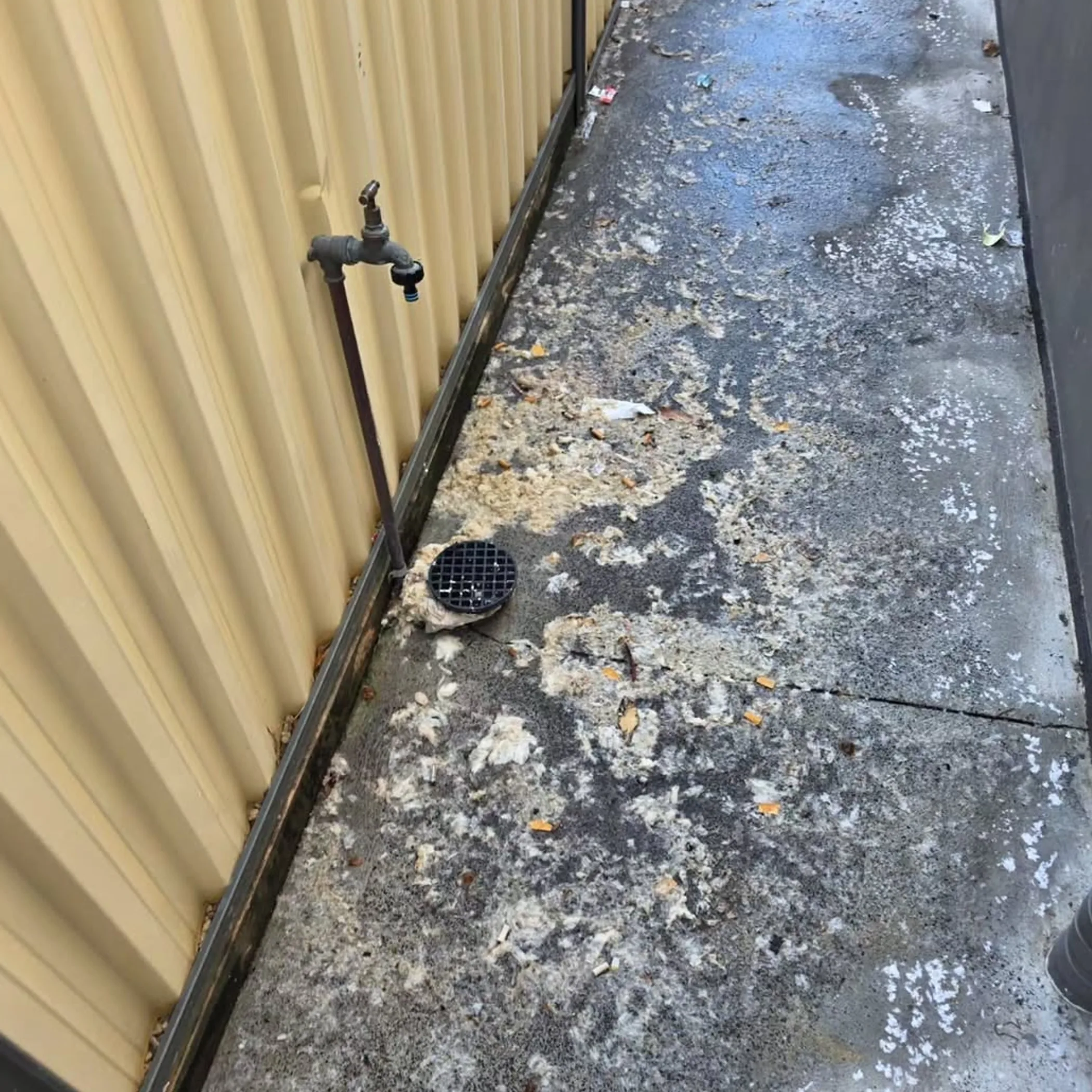
The access points may look alike but the two systems are not doing the same job. A correct diagnosis will see you explain the issue to a drain plumber in no uncertain terms and you will not be out of pocket for an unnecessary inspection.
They are separate systems in most cases. Your sewer pipes take wastewater from the floor wastes, laundries, sinks and showers. Rainwater is channeled by the stormwater drains from the gutters, downpipes and outdoor areas. Do not make them interchangeable, there are local requirements that would be breached if they were connected.
| Feature | Sewer System | Stormwater System |
|---|---|---|
| Main purpose | To the sewer network with wastewater | Rainwater off the land and buildings |
| Typical warning | Gurgling, slow toilets, overflow or odours | Flooded driveways, overflowing pits or standing water |
| What gets in the way | Tree roots, grease, wipes and other objects | Debris, mulch, litter, silt and leaves |
| Where to access | Inspection openings, gully traps | Surface channels, grates, pits and downpipes |
| Urgency | Wastewater can be a contaminant so usually yes | Yes, if electrics or building access is in jeopardy from flooding |
While Australian standards and the water authority will have rules on the separation of the two, do not assume all piping is up to modern pattern; the age of the property and any past alterations in the council area will dictate the layout. There are surprises to be found behind the paving and garden beds of an older home. For a matter of Victorian context the Government’s water information is an official source to go to on public responsibilities and water management, though your local water corporation or council can be more specific for your address.
Common Sewer Blockage Causes
These tend to occur in the shared sewer network or in private sanitary drainage. What shows up in the house may have its origin under the footpath or driveway some metres off.
A household will often have issues with grease. Fat and oil from cooking cools in the pipe and over time narrows the passage, picking up other material in the process. Hot water is no solution to an entrenched restriction even if it moves a bit of residue for a while.
Then there are tree roots, a problem with old clay or earthenware. They find their way in through a crack or joint after the moisture and ensnare paper and waste. Short of repairing the damage you can expect the blockage to come back.
Do not be fooled by the packaging into thinking the toilet is a disposal chute for nappies, paper towels or so-called flushable wipes; they are not as harmless as toilet paper. Structural issues, poor falls and debris from construction are also factors. When a blockage is persistent in one spot, clearing it is only addressing the symptom.
What Homeowners Often Miss
Not every blocked sewer starts with an overflow. You may notice a floor waste smelling from time to time or a shower and toilet taking their time to drain. Put several fixtures to use and the change is plain to see.
A mistake is to run every tap to test things. If the system is restricted you are just forcing the wastewater to the lowest point. Cease using the affected plumbing and have a look at any gully trap or inspection opening you can get to in safety.
Common Stormwater Blockage Causes
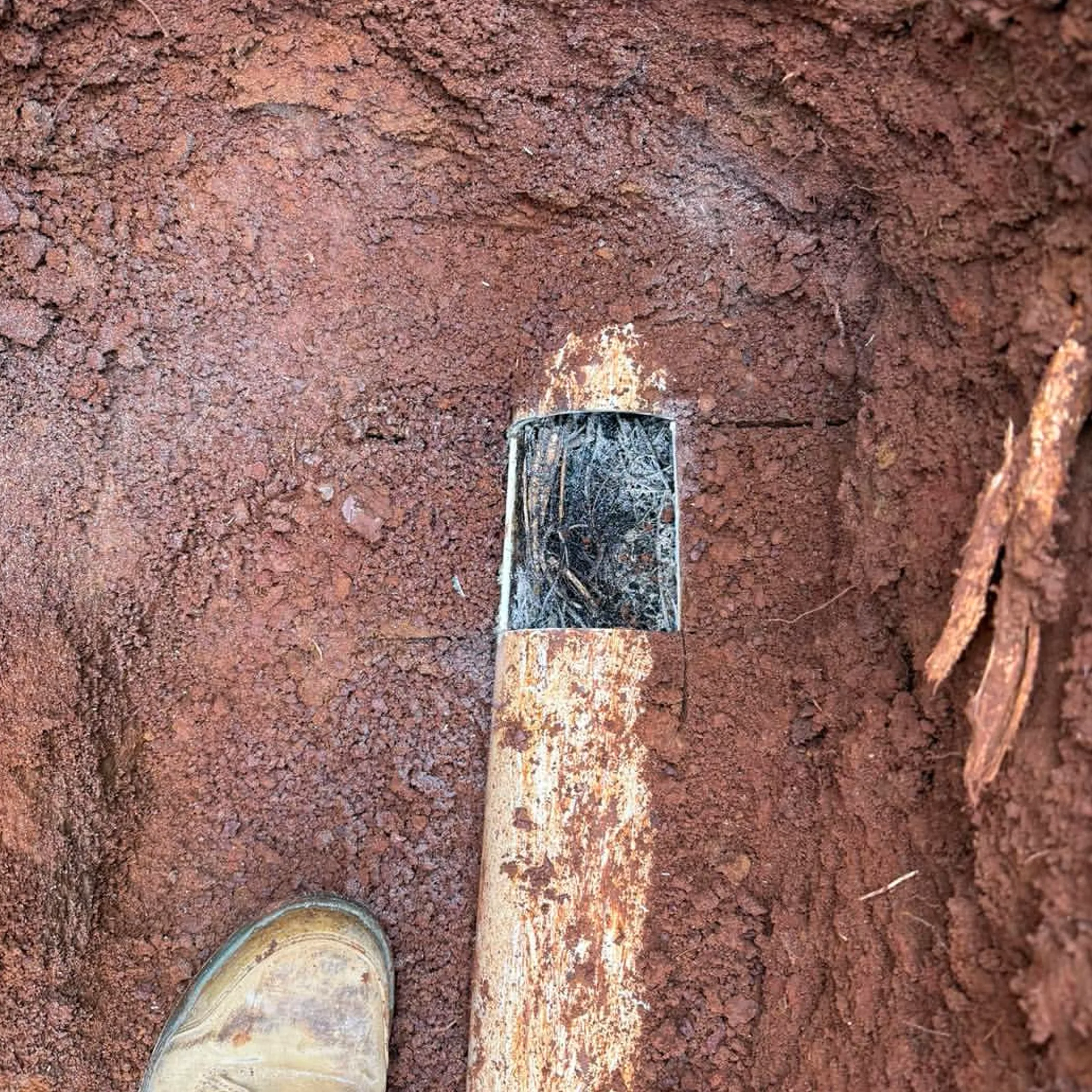
One need not wait for intense rain for a stormwater drain to be blocked, though searches for the problem in Australia are common enough after a good soaking. It is only when a proper downpour comes along that the silt, bark and leaves one has not been thinking about are put to work. Until then they make no noise.
But a blocked gutter or downpipe will have surface drains at their mercy before the water can get to what is underground. One might see garden mulch in a pit, or soil from the driveway find its way into a grated drain. Leaves on the drive will pile up at the kerb inlet and send water in the direction of the front door or garage.
Then there is the matter of stormwater drains being compromised by sediment, construction debris, a collapsed section or a grate in disrepair. In Melbourne you can have entirely different issues with an autumn leaf fall as opposed to a summer storm: the former clogs the grate, the latter puts the whole of the drainage path to the test in minutes.
Diagnosis is made harder by connections that are either ill-conceived or unlawful. A bathroom outlet or washing machine has no business discharging to a stormwater line. Nor should roof water be put into a sanitary sewer unless it has been done with the right approval and installation.
When Flooding Is A Real Risk
Local flooding can be the result of a stormwater drain on the block, but it is not the sole culprit. The capacity of a private system or street network, even a downstream waterway, can be put in excess by heavy rain. Overland flow from low-lying ground or a culvert that is blocked will put water where a drain cannot handle it.
Some will say a “1-in-100 annual exceedance probability” event happens once in a century. It does not; it is simply a 1% likelihood in any year of rainfall of that magnitude. For property drainage and insurance purposes the statistical difference is important.
Floodwater is to be avoided, particularly if there is fast-moving flow, open pits or electrical gear in the vicinity. There may be bacteria, sharp objects, chemicals and wastewater in the mix. Should life or safety be in jeopardy during bad weather, call emergency services and keep pets and children from the drains.
Spot Sewer Drain Warning Signs
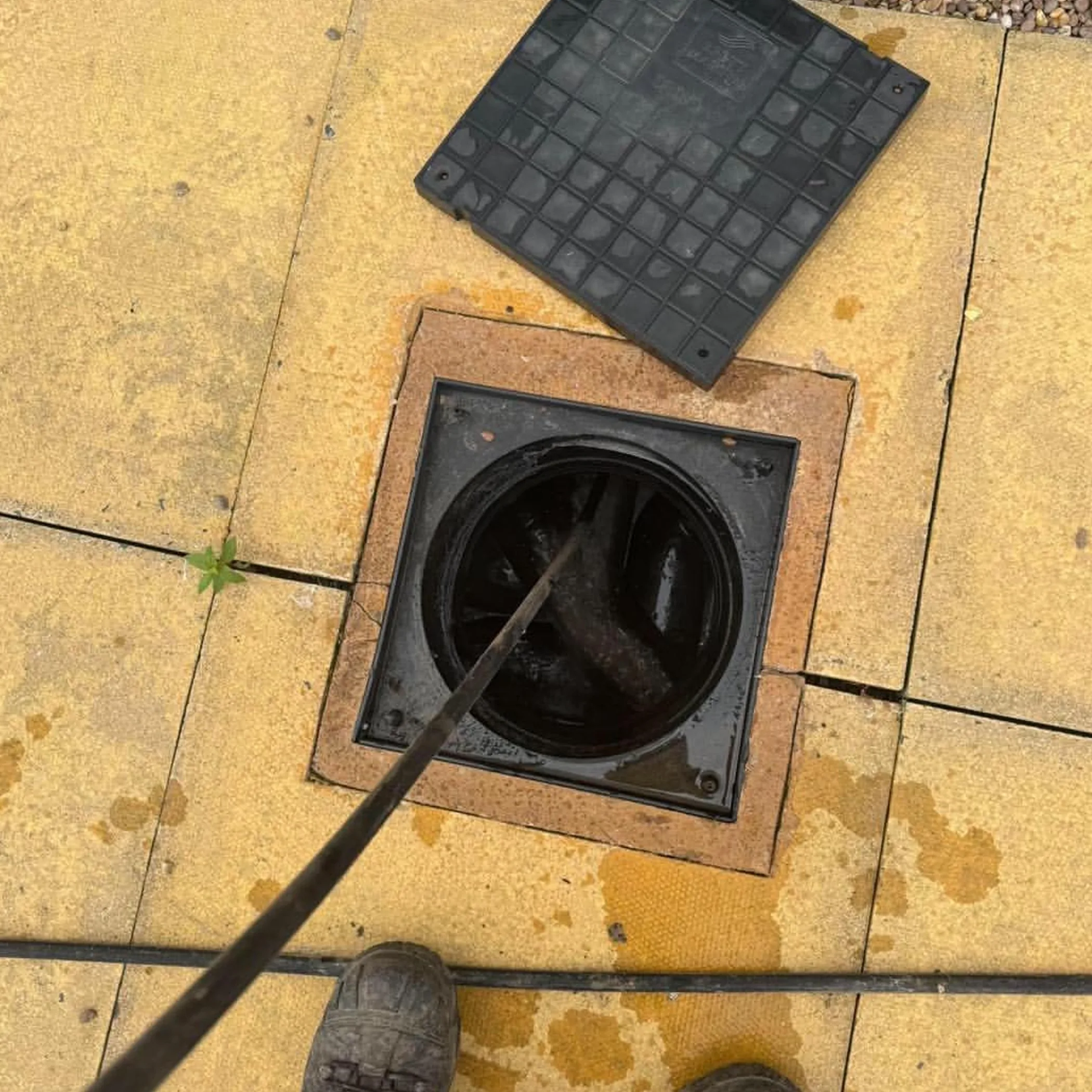
One need only look to the household fixtures to tell of a blockage in the sewer. If it is more than one fixture at a time it is likely the restriction is in the shared line and not some isolated basin trap.
Toilets which go up before they drain, bubbling, a sewage smell, wetness by the gully trap or wastewater coming back through the laundry floor waste are all indications. So too is slow drainage in a number of rooms. An overflow from the sewer may appear innocuous but must be regarded as contaminated.
If such symptoms present themselves, follow this checklist:
- Put a stop to flushing and water use in the home.
- See if the problem is limited to one fixture or more.
- Ensure people and animals are not near the wastewater.
- Find the gully trap or an inspection opening, but do not put your hands on a cover that is unsafe.
- Should it not clear of its own accord, engage a licensed plumber.
Where a sink is blocked it could be the branch pipe or local trap. But if several fixtures are involved and the neighbours have the same trouble, it is probably in the public network or a shared main; in that case the water authority should be contacted as well as one’s own drainage checked.
Spot Stormwater Drain Warning Signs
These are for the most part an outdoor affair and show themselves in the rain. What one is looking for is where the water is left standing, not so much the odour.
Water pooling at a grate, a downpipe spilling on the ground, a rapid filling of the gutters, a damp basement wall or soil being washed from the garden are all signs. A blocked grate while the one next to it is fine would point to a localised restriction; if a number of pits are surcharging the problem is further down the line.
Do not stand over a grate with a fast current or try to lift a heavy lid in the rain. The covers are slippery and the water will hide voids; a tool or hand can be drawn into the system. Leave any pit on a road or footpath to the council or road authority.
Who Pays And Who Repairs?
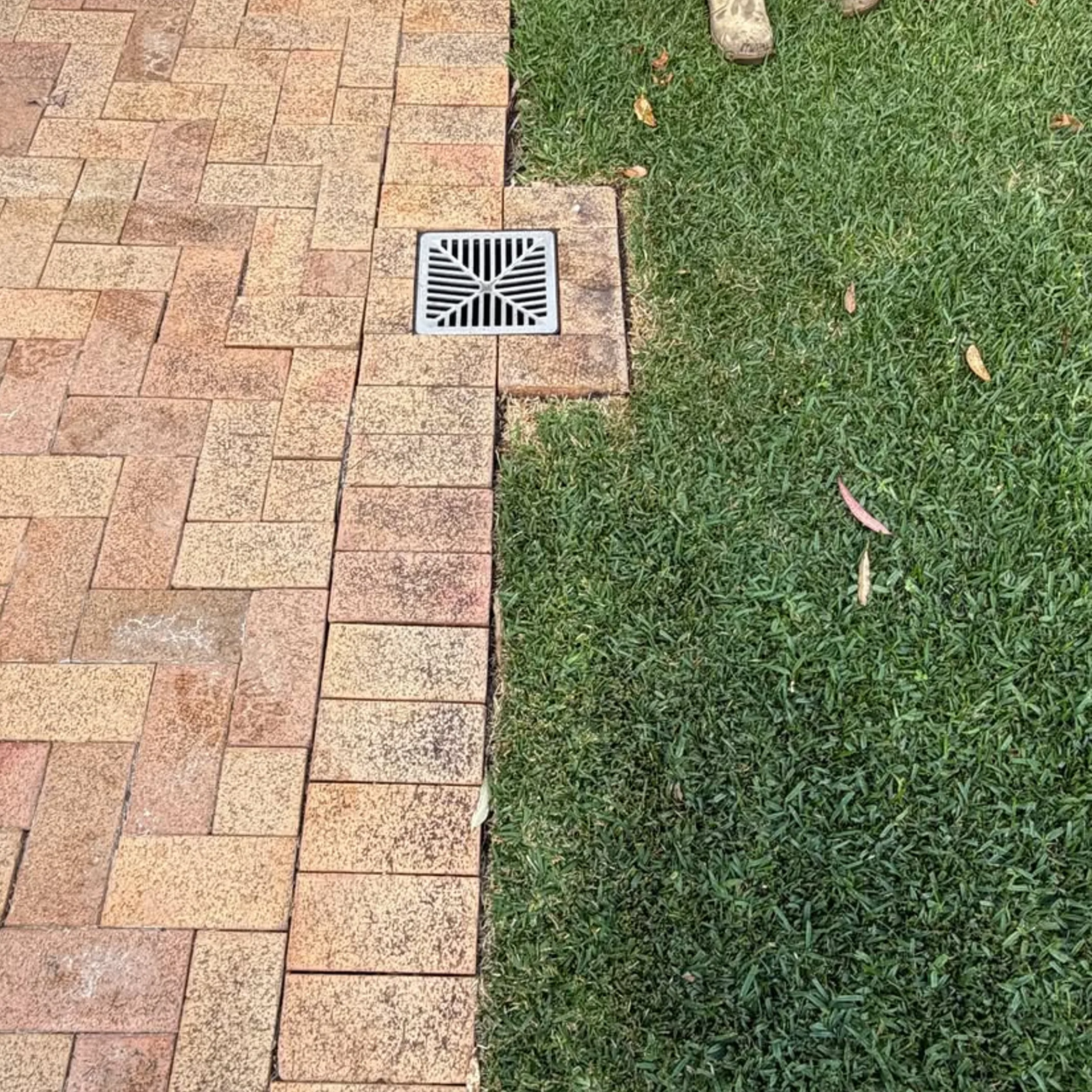
That is a question of ownership and of where the blockage is, subject to the rules of the state or territory. You will not find a uniform answer across Australia that puts every council, water authority and owner in the same box.
Generally speaking the onus is on the property owner for anything within the boundary of the property, be it internal pipes, a private sewer connection or stormwater pits and drains for that property alone. Public sewer mains are the province of the water corporation and public stormwater assets are run by the council or road authority.
There is no denying that boundaries are a source of complication. A pipe might run across land, be in service to more than one property or tie into the infrastructure of another organisation. Then there is the question of the owner’s responsibility, which can hinge on easements and title documents, local legislation and if any damage was wrought by a private hand.
It is advisable to have the plumber put you in the picture before giving the go ahead for excavation: where is the blockage and does the asset in question seem to be public or private? Put down some photographs and hold on to your invoices. Should the evidence warrant it, get in touch with the council or water authority. While a licensed professional will tell you if a sewer blockage is of the private variety or a network problem, he is not in a position to settle legal disputes over responsibility.
How Professionals Find The Blockage
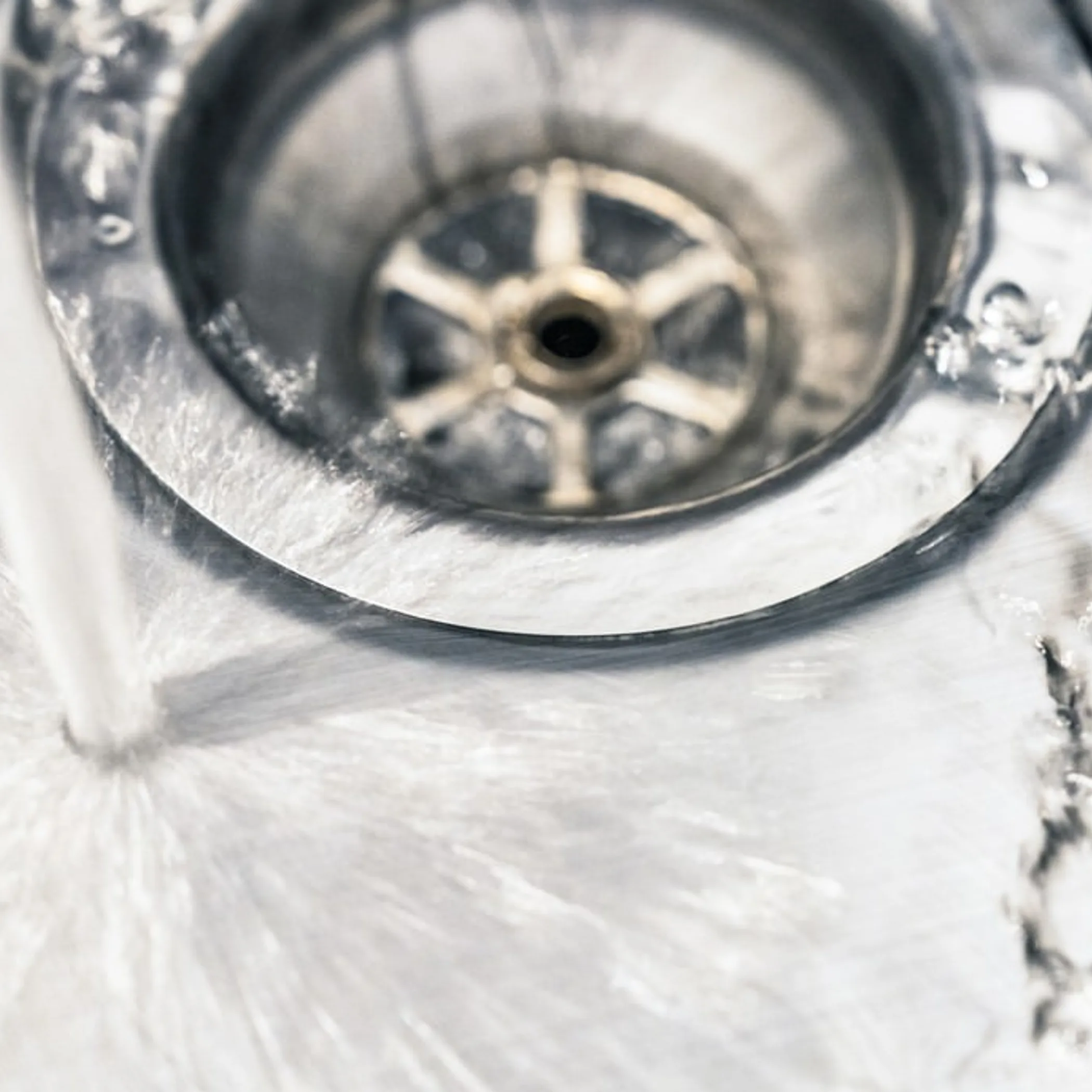
A good drain plumber will look at recent events, the symptoms and what is accessible. An initial check of the downpipes, pits, inspection openings and gully traps will inform his choice of equipment and save some needless digging.
An auger or electric eel will do for a local restriction on a sewer line; high-pressure jetting for grease, sludge and root intrusion. For a full picture of any offsets, collapsed pipes or cracked joints, a CCTV inspection of the drain will pinpoint the defect.
Stormwater work is something else again: tracing downpipes, vacuuming silt, jetting lines and clearing grates and pits. Where the connection is not plain to see a camera, dye or smoke test may be called for. Make sure the quote covers the report or footage as well as finding and clearing the blockage.
Access is important. The plumber will want an unlocked side gate, a driveway to himself, adequate lighting and the right to cross onto neighbouring land should the route dictate it. How long it takes is a matter of the weather, the depth of the blockage and the state of the pipes. A surface issue is one visit, a line that has given way is a repair job.
Prevent Repeat Drain Problems
The maintenance required is not much to look at but that is why it is effective. By way of small habits one keeps material out of the pipes and a regular check will reveal damage before the next heavy rain or a household backup.
Do not put oils and fats in the sink, bin the wipes and sanitary items and put in some hair strainers. Inspect the gully traps and make sure the roof gutters and stormwater grates are clean come the wetter months. Vegetation near old pipes should be trimmed, though cutting roots is no cure for the defect underneath.
With an older Melbourne property it is worth inquiring as to the pipe material and past repairs at time of purchase or renovation. Note the date and location of any blockages. A pattern is telling; a blockage every few months is indicative of a structural or root problem.
Yet most will put it off until there is a complete failure. It is less expensive to look into a damp patch or slow drain than to have sewage in the laundry or stormwater in the garage. One does not need glamour in prevention, nor the prospect of mopping up contaminated water in the middle of the night.
Choose The Right Next Step
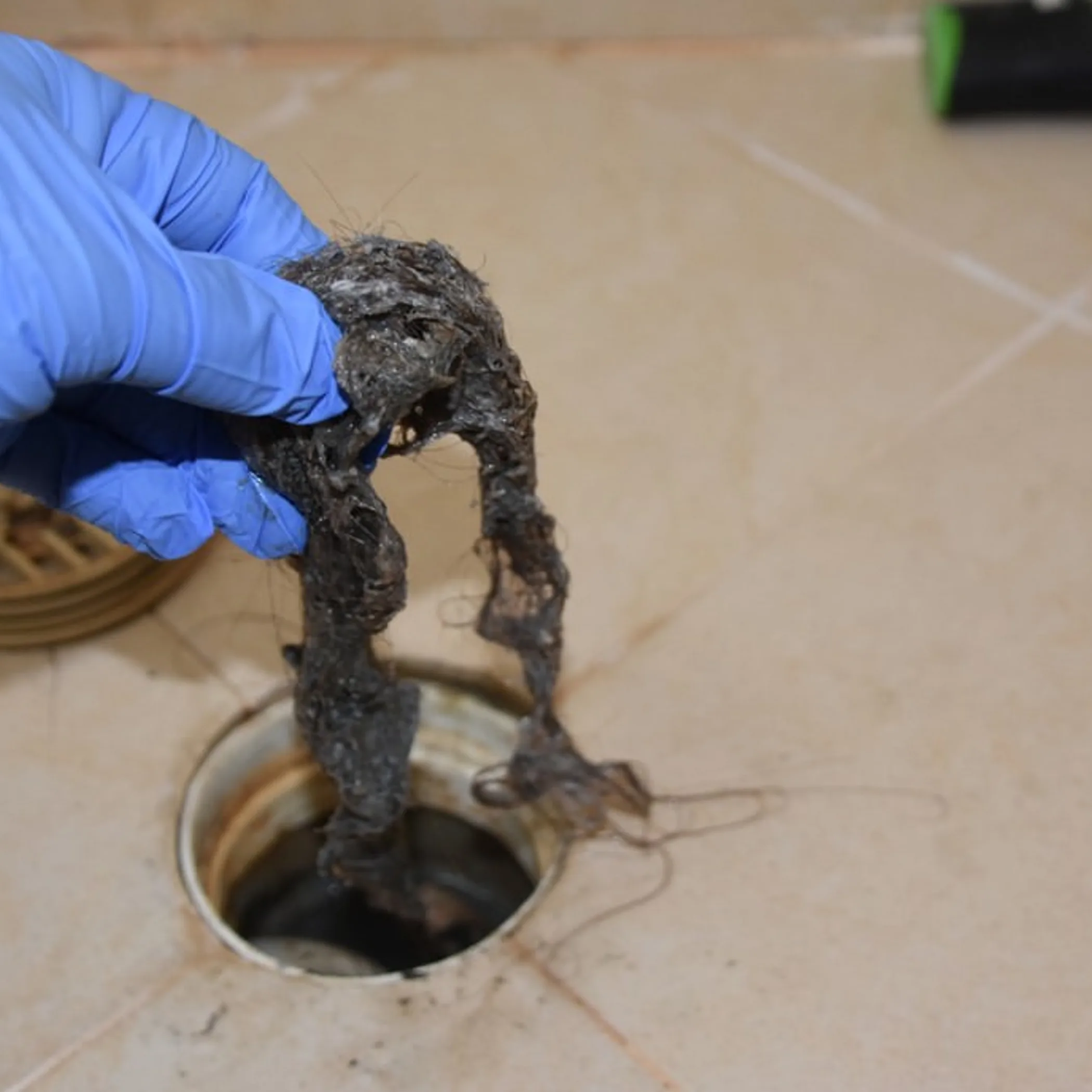
Wastewater issues within the home should be treated as a potential sewer blockage and water use curtailed. If rainwater is pooling outside, remove any safe debris and keep an eye on it but do not put a lid up on a dangerous cover. Safety comes first when buildings or persons are at risk from flooding.
For a quick response, identification is key. Photograph any overflow, note the fixtures or pits involved and put in a call to the water authority, council or a drain plumber. There is no point paying for excavation unless the emergency leaves no other option and the blockage has been found.
You will find plenty of options for blocked drains in Melbourne but look at the licence, the after-hours rates, written scope and whether they do camera inspections. And find out if the quote is for a permanent fix or just to clear the drain.
Frequently Asked Questions
Sewer versus stormwater drains?
The former is for wastewater from the kitchen, bathroom, toilet and laundry en route to the sewer network. The latter conveys rainwater from roads, yards and roofs. Stormwater is not meant for household wastewater even if it can become polluted.
Signs of a blockage?
If the toilets are slow or you have gurgling and smells of sewage indoors, the sewer is at fault. Pooling rainwater and downpipes running over at ground level indicate a stormwater problem. When several fixtures or pits are involved the restriction could be further down the system.
Who foots the bill for a blocked sewer in Australia?
As a rule the property owner for the private pipes and connections on the premises, the water corporation for the public ones. But boundaries are not always clear cut so contact the water authority and let the plumber locate the blockage before making any assumptions.
Will a blocked stormwater drain flood?
It can, by preventing rainwater from getting off a driveway, street or roof. But then again, poor grading, overland flow or a downstream restriction can cause flooding as can rainfall that is beyond what the system can handle. Under no circumstances should one wade into fast moving or electrically charged floodwater.
Melbourne prices for a clear out?
There is no set figure. The condition of the pipe, access, the hour of the day and the like all factor in, as does the need for jetting, CCTV or to dig. Get it in writing with the call-out and repair itemised. A cheap service may not do what is necessary to keep the blockage from coming back.
To put it simply, identify whether it is a sewer or stormwater matter, document what is there to be seen and get a firm diagnosis before sanctioning anything major. That is how an Australian homeowner is best placed to put an end to the present blockage and the one to follow.