What one has in the way of equipment for an elevated surface cleaning job in Australia is a matter of the building, the surface at hand, how one gets there, the weather and the operator’s ability with the gear. A water-fed or telescopic pole will do as a sensible ground-based option on most low- to medium-rise work. Put the job in the hands of elevating work platforms, rope access or a specialist facade system when it is taller, heavier or more involved. This is where professional multi storey care can help.
In this guide Evelyn Marlowe puts forward the high reach equipment that is the usual consideration for an Australian business. One will find out where an option is apt, what can be a pitfall and the way to go about things safely in these parts. To put it plainly, pick the method that affords workers dependable access and fall protection, and enough time to see the job done without all the rush of a roo after a mozzie.
Site And Equipment
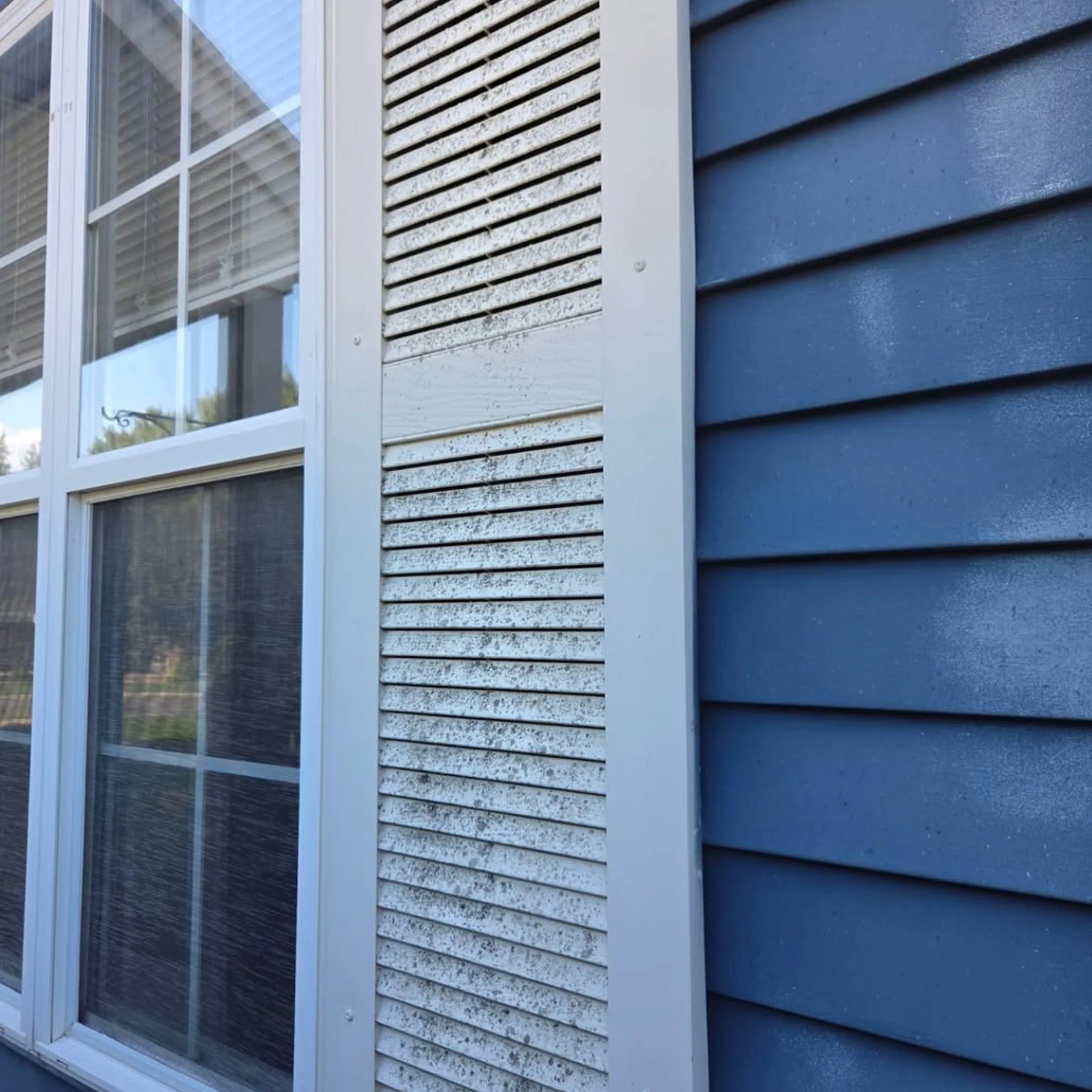
Height is not the only factor in making a selection for the right kind of elevated cleaning equipment. The approach for a two-storey warehouse on some flat industrial land will differ from that of a three-storey office off a main road.
Do a site assessment before you put in for a quote. Look at the surface and the ground, drainage and maintenance access, public areas and overhead services. It is better to do this than make the costly error of taking on equipment that simply cannot get to the work face.
Start With A Site Assessment
Make a note of the building height, the width of any path to the facade and the highest point to be cleaned. Include in your record any glass panels, gutters, solar or fragile roofing, awnings and balconies and where water might get into the building. See if the site is amenable to a delivery vehicle or truck; a loading dock or a tight laneway can disqualify a boom lift before the hire company is even on the scene. Make sure there is parking, power and water and a safe way to get the equipment off site when finished.
Then there are the conditions in Australia. The wet season, wind and rain have a way of altering the working day. In northern WA and the Top End you may be put off from elevated work by cyclone warnings and heavy storms. Fire restrictions in the bush can put a hold on access, and in the Pilbara or along the Stuart Highway the transport side of things is as much of a concern as the cleaning.
The Case For Water-Fed Poles
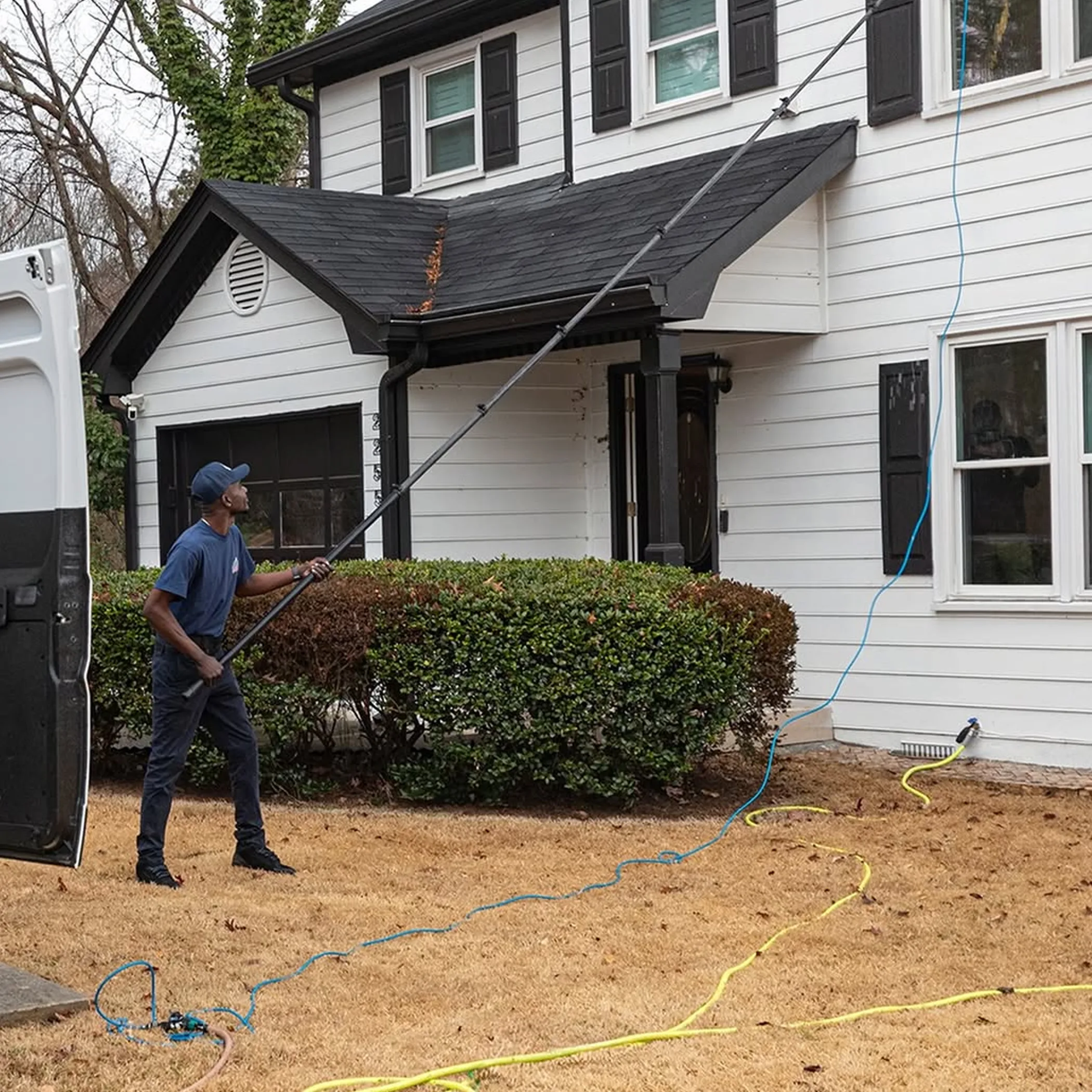
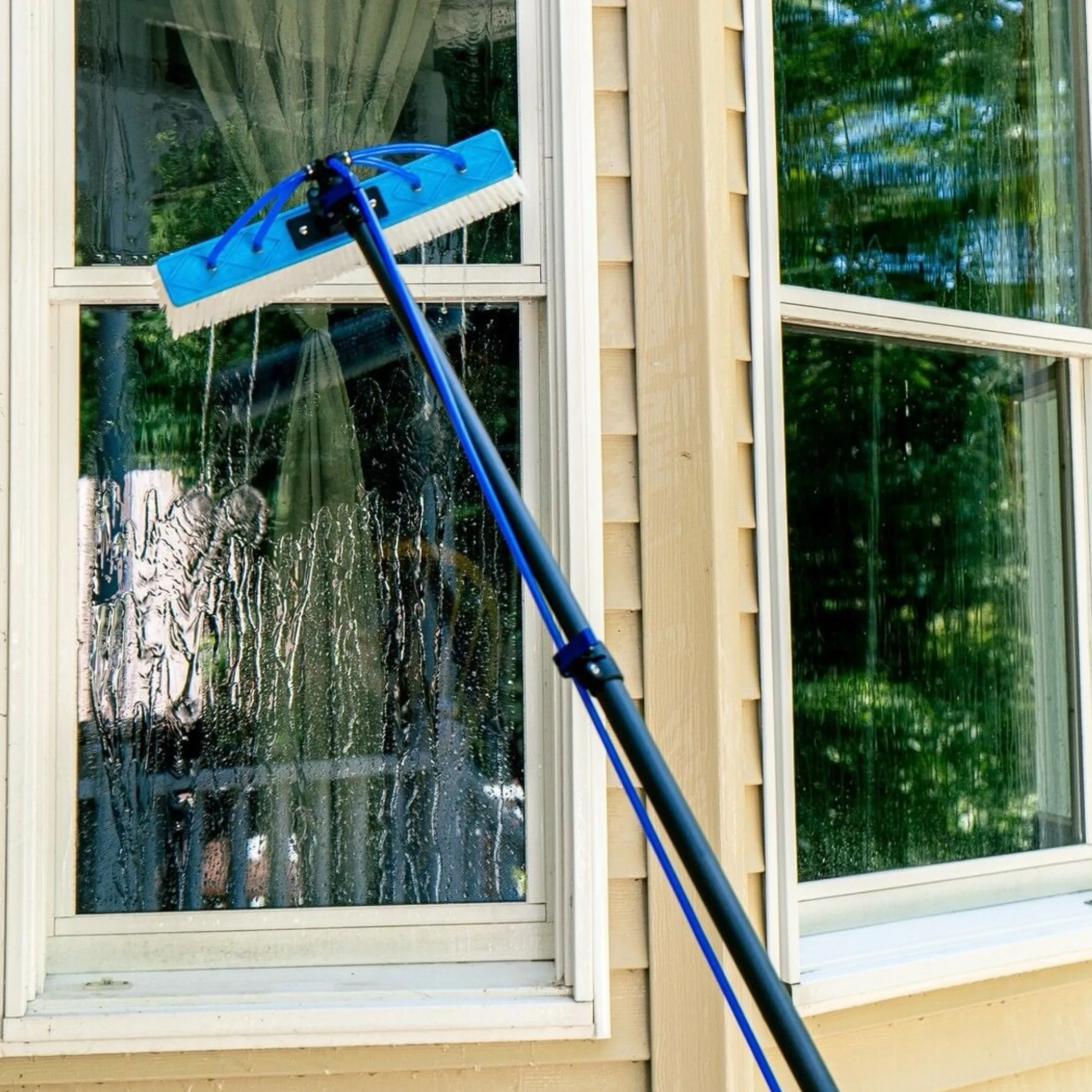
For light washing of facades, gutters and solar panels, water-fed pole systems are often the first port of call. Purified water is sent up a lightweight pole to a brush or rinse head so the worker can stay put on the ground.
Operators in Australia will use them to keep ladders to a minimum and spare the roof or balcony.
Where Poles Work Best
Telescopic poles are well suited to commercial, retail and residential buildings. With a reach-and-wash system one can do windows and cladding without a lift, assuming the pole is under control and the brush is in proper contact. They serve gutters and solar panels too but the operator should know the surface and heed the manufacturer; a dirty panel is best rinsed and not scoured. Damaged frames or loose guttering can complicate a simple wash.
There is a tendency to equate reach with control. A long pole might make contact with a window yet in the wind it is hard to position, flexing and twisting. Factor in safe handling and the actual reach is not as great as the figures would have you believe.
Pros and cons
A water-fed system does not have the mobilisation requirements of a lift and there is no need for a sizeable exclusion zone. For like-for-like windows it is an efficient means of planned maintenance and sidesteps the risks of a platform.
But it is not for every facade. If there is thick biological growth, concrete residue or paint to be removed then pressure or soft washing is in order. Do not be taken in by the catalogue, a pole is no magic wand.
- Before booking, be certain of the working height and that the pole can be handled.
- Verify the water quality and filtration, check for slip hazards and the routing of hoses.
- Take into account the wind, any cables overhead and pedestrians.
- The work area should be under control and the right personal protective equipment worn.
Direct Access by Means of Lifts
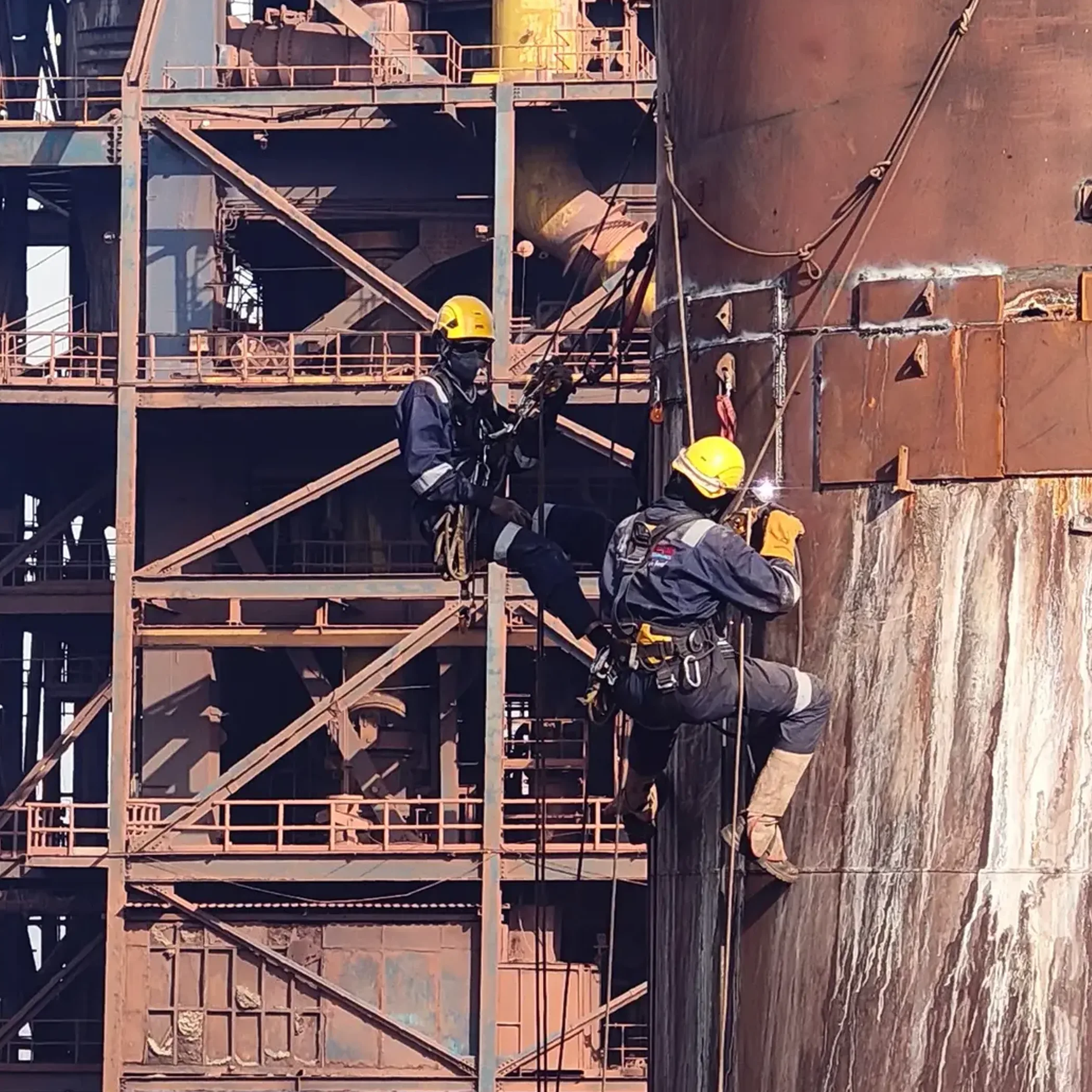
For cleaning, a scissor lift, boom or cherry picker will put a basket or platform in close proximity to the surface. These are handy when one has to have direct hand access, is using more substantial tools, requires an unobstructed view of a complicated facade or the job will take some time.
Collectively known as elevating work platforms, which of these is most useful is a matter of the ground being level, the type of work (vertical for instance), how much sideways reach is called for and if the machine will make it through the entrance at the site.
Scissor And Boom Lifts
A scissor lift gives you a wide platform and its movement is predominantly up. On firm, flat ground they are well suited to work on warehouse walls, atriums or any commercial elevation that is over the top of the machine.
Boom lifts go out and up. They are the answer where the base cannot be put right up to the facade due to a setback, landscaping or an obstacle. There is the articulating boom to get over things and the telescopic for a long straight line of travel.
Positioning of a boom for cleaning has to be done with care. The operator will have to factor in wind limits, outriggers, tail swing, turning circle and ground pressure as well as any power lines. A boom might get to the facade but if the ground is not up to it the machine is no good.
Operator Skills And Licensing
There are high-risk work licence stipulations in Australia for some types of elevating work platform; what is needed in exact terms is dictated by the work at hand, the boom length and the platform itself. Training and instruction on the particular machine and a knowledge of the site are also de rigueur for the operator.
Hiring a machine does not make the hire company responsible. It is the business doing the work that must plan and supervise the task, do the risk assessment and see to it the operators are up to the job. Safe Work Australia has guidance on working at heights and the state or territory regulator can be contacted to verify requirements.
Rope Access on Difficult Facades
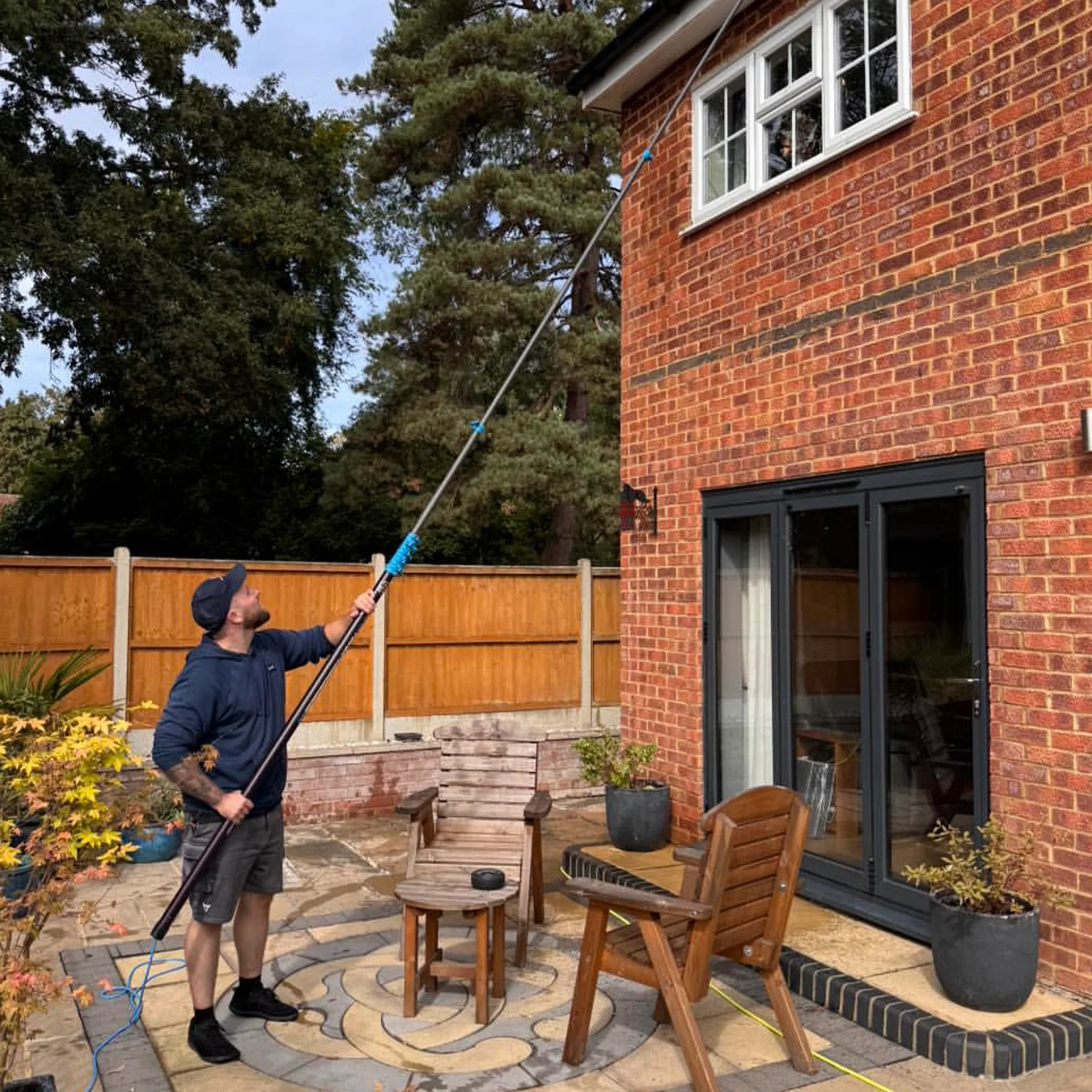
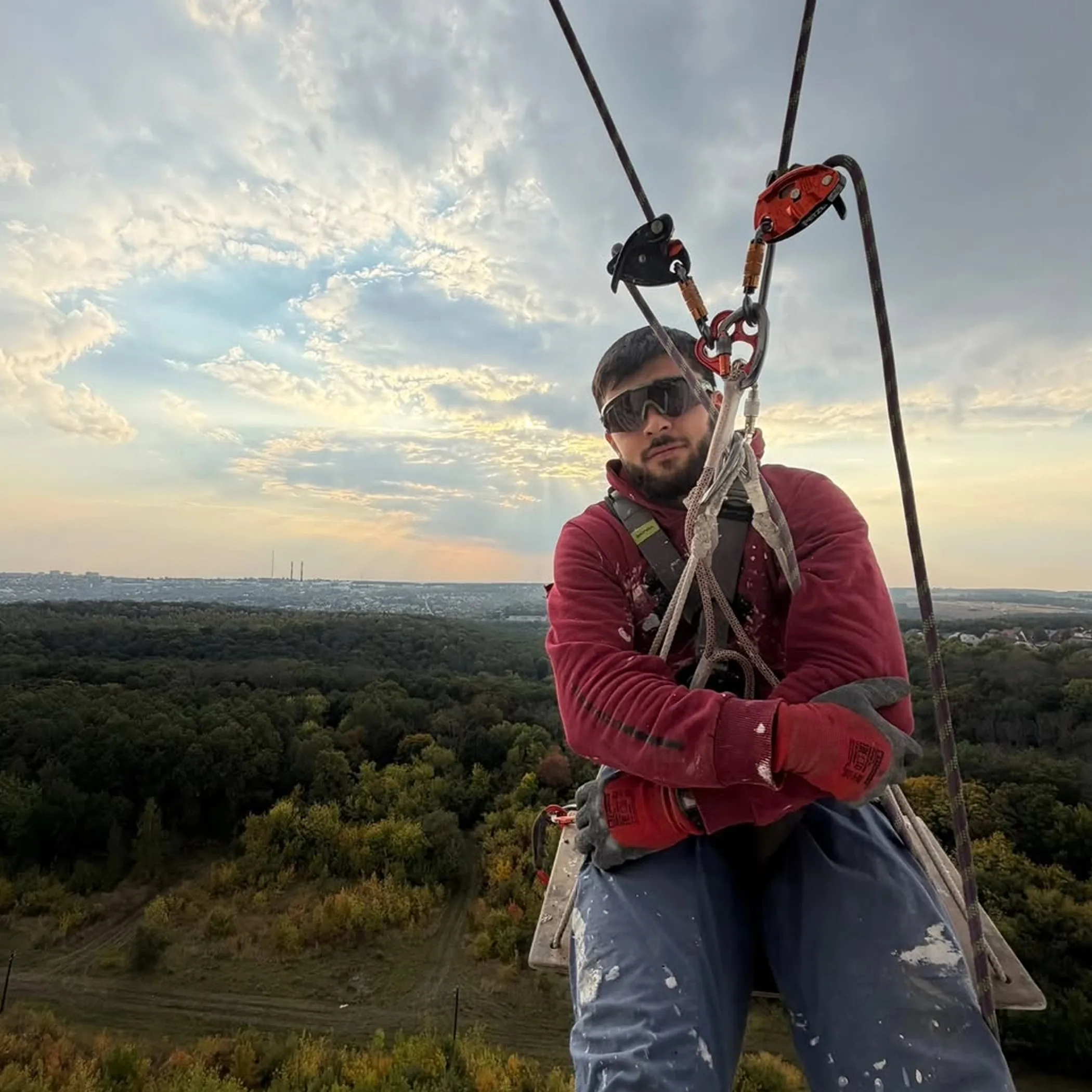
Some areas are not amenable to lifts or ground equipment, then rope access and abseiling are the way to go. With ropes, harnesses, anchors and descent devices, a specialist team can put in the necessary backup and rescue systems to tackle an awkward or tall structure.
This is not a quick way of doing ordinary maintenance. Rope access calls for suitable weather, exclusion zones, rescue planning and anchor points that have been verified, as well as technicians who are properly trained. On a high-rise it is an efficient approach provided the building is conducive to the system and the team has the requisite skills.
When To Go With Rope Access
Towers, bridges, steep facades, narrow courtyards and the like may call for rope access where a lift is out of the question. One can avoid bringing in large vehicles and keep disruption to a minimum on the ground.
Not so for untried workers, if the weather is not stable or the anchors are in doubt, nor for surfaces that demand big heavy gear. Water reaction forces from a pressure washer on the ropes can upset balance and positioning so extra caution is in order.
A professional outfit will set out its access plan without any jargon. Put questions to them about how they will check their anchors, secure tools and keep pedestrians at bay, or what the rescue procedure is. Should the answer seem rough as guts, put off signing until further notice.
Controlled Pressure For Facade Cleaning
Dirt, algae and other deposits can be washed from a building with industrial pressure equipment, but the pressure is not the whole story. The outcome is determined by the water volume and temperature, the nozzle and distance used, the chemicals and the condition of the surface.
Soft washing with agents chosen for the contamination and surface is often better for masonry, render, painted cladding or anything of a delicate nature. Unchecked use of a pressure washer can mark stone, strip a coating or drive water behind panels and ruin seals.
Pressure And Soft Washing
Before tackling the entire facade, put a small section to the test and note down the solution, nozzle, distance and pressure for consistency. Make sure windows, vents, electricals and the like are shielded.
And do not forget the water. Where it runs and how the drains are to be protected is part of the plan, as are any local environmental rules on discharge. In an apartment block or shopping strip the team will have to put in safe pedestrian access and may have to clean after trading hours.
Match Tools To Surfaces
One has to match the tool to the surface. Glass, concrete, brick, stone, aluminium composites and painted steel all have their own way of responding. What is fine for concrete could etch stone or take the paint off a metal panel.
One should first determine the nature of the surface and its contamination before making a choice on facade cleaning equipment. Put it to the supplier: has their system been put to work on a like-for-like facade? There is no value in a cheap clean that results in an expensive patch job, that is merely an invoice with a false moustache.
Equipment Comparison
For a way to go about comparing what is available for multi storey work, see the table below. It will not do away with the need for competent advice or manufacturer’s instructions and a proper site assessment, but it is a useful means of whittling down the options.
| Equipment | Best Suited To | Main Strength | Key Limitation |
|---|---|---|---|
| Water-fed pole | Windows, solar panels, gutters | Low mobilisation, ground-based access | At the limit of its reach there is little force or control |
| Scissor lift | Vertical work on level, firm ground | Room for tools on a stable platform | Must have direct access under where one is working |
| Boom lift | Facades that are set-back or obstructed | Can get around obstacles | Demands of the operator, wind and ground pressure |
| Rope access | Tall or hard to get at structures | Complex elevations with small ground footprint | Necessitates anchors, rescue planning and specialist training |
| Pressure/soft-wash | Algae, deposits and staining on facades | Good performance if specified right | Risk of runoff or doing harm to the surface |
Safety And Compliance
A hard hat and harness do not constitute height safety. Proper compliance means fall prevention, the right kind of access, dealing with the weather and dropped objects, having rescue in place and inspecting the gear. While Safe Work Australia puts out model guidance, state and territory laws are what govern workplace health and safety. Australian Standards can come into play as well with respect to scaffolding, electrical risks, inspection and so on. Make sure you are aware of what is required in the area of operation.
Risk Management
There should be a plan on paper to deal with overhead services, public movement, exclusion zones, water runoff and the like, as well as fall protection. Inspect all attachment points, hoses, outriggers, wheels, guards, platforms and ropes prior to use.
Wind is something to watch. In the Pilbara or on an exposed roof by the coast, a morning of calm can make for a trying afternoon. If the conditions are beyond what the equipment can handle, call it off. So too when visibility is poor or there is lightning, extreme heat or wet surfaces; a task that was once manageable is no longer worth it.
Some may find the paperwork unappealing, yet it is better than relying on memory as to who saw to the anchor after they have gone. Keep file on any incidents, maintenance, training and inspections.
To Buy Or Hire?
If a business is yet to know its workload or has odd access needs from time to time, hiring is the sensible option. One can have the use of a pump or lift without incurring the depreciation and cost of storage and servicing.
Then again, a cleaning outfit with trained personnel and regular, predictable jobs might be better off buying. But the price tag is only part of it; factor in the transport, insurance, downtime, tyres, batteries and the rest.
Costs For The Job
Quotes for high-rise equipment in Australia are all over the place given the machine height, how long it is needed, delivery, the facade itself and traffic control. It is not sensible to put the cost of a truck mounted boom lift up against a small pole system. When dealing with hire companies, put in a request for an all-inclusive quote. It should account for delivery and collection, fuel or charging, any cleaning attachments, damage waivers and the like, as well as minimum periods of hire. Make sure to have it confirmed if an operator is part of the deal. In some regions the cost can be driven up considerably by transport from the nearest depot, particularly where the site is not on the usual metropolitan circuit.
If the job is to be done in a day, one will generally want to go with the approach that allows for safe set-up and work with no undue mobilisation before they are off. With work that is ongoing, an annual comparison of hire versus ownership costs is in order, factoring in how much use the equipment will see.
Common Equipment Questions
High rise cleaning equipment is a point of comparison for cleaning contractors and building owners, and these are the questions that tend to arise. The most prudent answer is to let the site dictate the course of action rather than the catalogue.
What kind of equipment is used for high-rise windows?
One might employ water-fed poles, boom lifts, rope access or a suspended system. It is a matter of local requirements, pedestrian controls, the condition of the surface, anchor points, setback and height. Water-fed poles are fine for the lower parts but you may need a specialist team with rope or suspended-access for anything of greater elevation.
And for areas that are difficult to get at?
Go with whatever method affords the most dependable control over the tool and is the safest. From firm ground a water-fed pole is effective; a boom lift will go around an obstacle; rope access is what you would do for a complicated elevation provided there are the right anchors. An assessment of the site will make the decision for you.
Can water-fed poles be used on a multi-storey building?
In some cases yes, so long as the windows are within reach from the ground and the wind is not an issue. But they are not so practical if the pole has a tendency to flex, the facade is set back, the surface calls for more forceful agitation or the operator does not have a clear line of sight on the brush.
Is a licence required of a boom lift operator?
For certain high-risk work platforms in Australia a licence is called for, contingent on the length of the boom and its classification. Training and instruction for the site is also necessary. One should look into what the state or territory demands prior to making arrangements.
To buy or to hire?
Hire is for the occasional or specialised task. Purchase is justified when regular use of the machine makes sense in terms of having to provide storage, insurance, inspections and operators who are properly trained. A full quote is advisable since the final tab can be put up by transport and delivery.
Make your choice with confidence
There is no contest to be had over which is the tallest machine when it comes to elevated surface cleaning. It is about planning and striking a balance between cost, reach, the competence of the worker, public safety and protecting the surface.
Water-fed poles in common use by Australian businesses will give efficient ground-level access to solar panels, gutters and the odd window. Direct platform work is for the scissor or boom lift, while abseiling and rope access allow a specialist to get to a complex high-rise facade. Put pressure or soft washing in the plan if the runoff and surface will stand it.
A proper site assessment is where to begin, along with verifying fall protection and height safety and seeing what Safe Work Australia and the Standards say. Then put ownership against hire. Multi storey care of a professional nature is seldom showy. It is done in an orderly and controlled fashion so there is no need for explanations as to why things did not go to plan.