You will find the best way to do some coastal camping in Victoria is to have a campsite that is right for your gear, the route you are on and how much wind you can put up with. The state has its share of foreshore caravan parks, national park grounds, spots for the camper trailer and self-sufficient camps adjacent to what are arguably Australia’s finest coastal walks.
In this guide Evelyn Marlowe puts the various options along the Victoria coast under scrutiny, be it the Great Ocean Road, the Great Otway or Wilsons Promontory National Parks or over in Gippsland. It is useful for planning a multi-day coastal journey. There is advice on access and facilities as well as the kind of realistic planning and weather risks one should consider; not to mention the finer points that can see a pleasant evening by the sea devolve into a cold squabble with a mozzie.
Regions for Your Coastal Camp
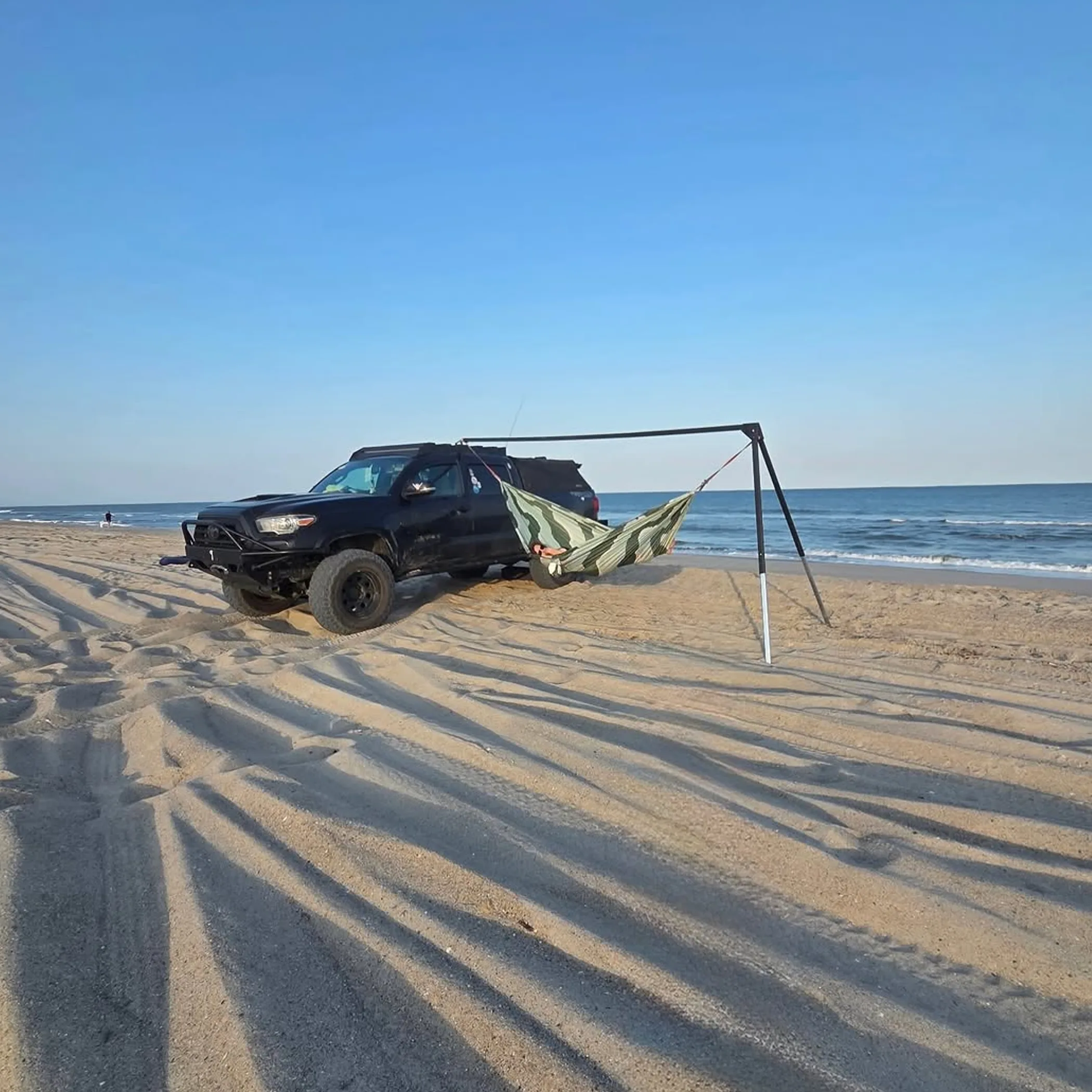
There is a Victorian coastal region to fit every traveller. For a road trip with some flexibility the Great Ocean Road is ideal, whereas at Wilsons Promontory a bit of forethought is rewarded and Gippsland has long beaches and a more independent air about it.
Hot showers and a camp kitchen may be what you are after, or perhaps a basic national park campground, or an unencumbered stay where you put in the work for your meals and water. Make up your mind before you book.
Great Ocean Road And Surf Coast
Many make their way to the Surf Coast first and foremost for convenience. You have Torquay with its surf, shops and food, and then the Great Ocean Road taking you west to the 12 Apostles and the towns and national parks beyond.
If sightseeing and resupply are part of the equation along with time on the beach and short walks, camping here is well suited. Foreshore caravan parks are the straightforward choice for families and those with a camper trailer in want of a powered site, flush toilet and hot shower.
Otway Forest And Cape Otway
For a bushier experience there is the Great Otway National Park. One can get to forest tracks and waterfalls and Cape Otway from the Otways’ campsites, if the roads are not too narrow or wet for what the map would have you think.
Not for the type who wants to be set up on the sand, but good for the walker who does not mind that phone reception is scant and the facilities are not as elaborate as a commercial operation. Dampness is something to expect.
Tidal River and Wilsons Promontory
Tidal River makes for a sensible base for kayaking and the walking tracks and beaches of Wilsons Promontory, which is why it is so popular. During school holidays and the like you will want to have made your booking in advance.
The park is fine for the family and the organised walker who is not fussed by the odd change in the weather, but do not come here expecting a resort or to be motoring from one attraction to the next.
Gippsland Coast And Ninety Mile Beach
A road trip in Gippsland has a roomier quality to it with its fishing, coastal lakes and expanses of sand. At Ninety Mile Beach or Paradise Beach you have the beach without being hemmed in by a tourist centre.
Birdwatchers and the like will appreciate Lake Reeve and the surrounds for a quiet walk or some kayaking. But the conditions can be exposed, so put away your food and make sure the tent is secure; a calm afternoon is no assurance of a calm night.
Booking Considerations
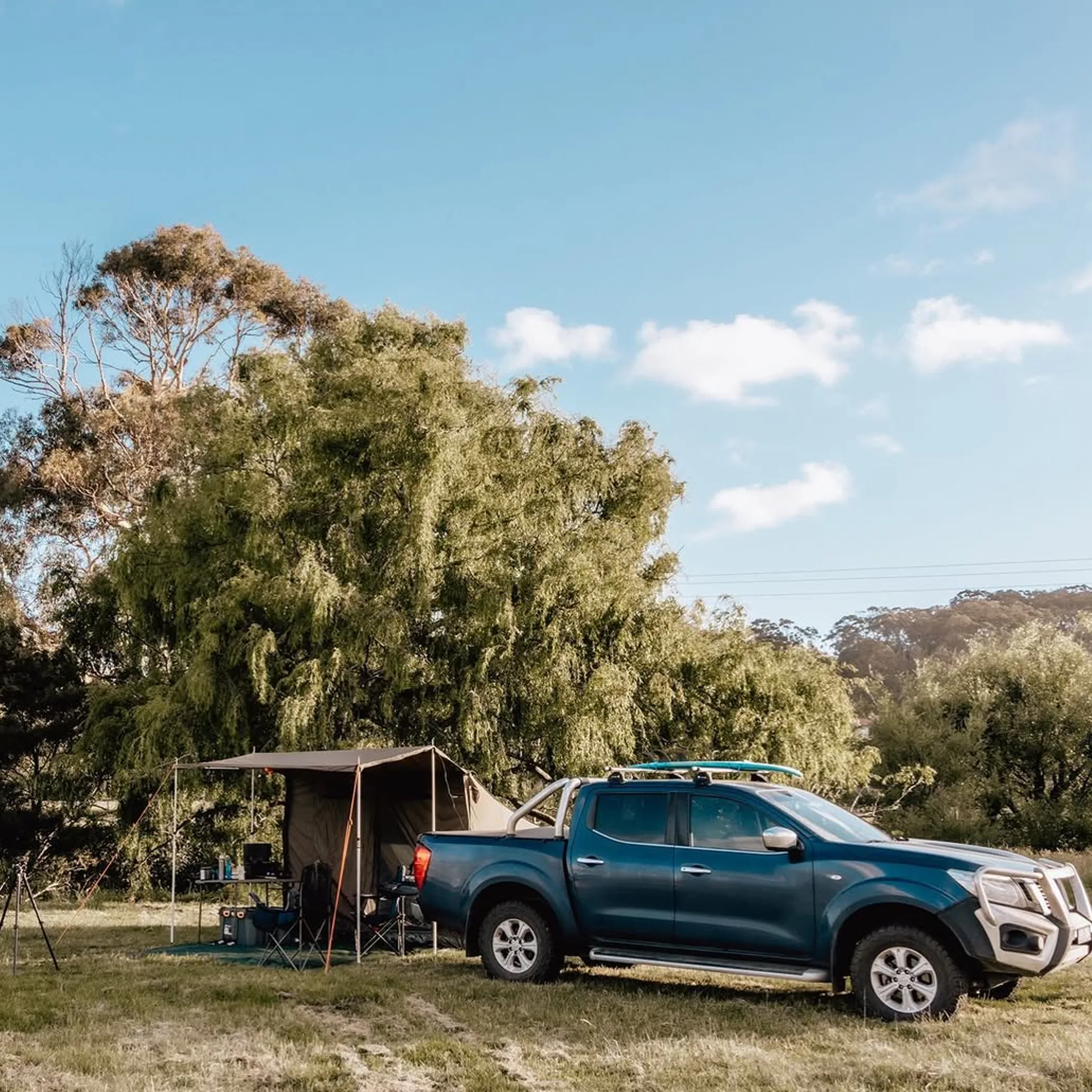
Do not assume the least expensive site is the one to have. An unpowered place in a national park is going to try the patience of a family with electronic devices and a fridge, just as a powered one is not worth the outlay for a lightweight walker.
Have a look at the table below for a comparison of sorts, but verify the rules and vehicle access for the site in question before handing over your money.
| Camping Option | Usually Suits | What you will find | Things to note |
|---|---|---|---|
| Powered site | Caravans, families, camper trailers | Toilets, showers, shared and electrical facilities | No power means you have shade or privacy or are near the beach |
| Unpowered site | Budget travellers, tents, light campers | Picnic areas, shared water and a basic toilet | Need to provide your own lighting and charging |
| National park campground | The prepared camper, nature lovers | Drop toilets, some infrastructure and campfire rules | Varies as to self-sufficiency and access |
| Foreshore caravan park | Longer stays and families | Laundry, dump points, camp kitchens and hot showers | More costly and peak times are busy |
| Remote coastal site | Those with experience and nothing to depend on | Little in the way of services | Tides, emergency access and the elements call for some thought |
Powered And Unpowered Sites
Victoria’s powered sites are typically in the established camping areas and caravan parks. For the likes of medical equipment, refrigeration and charging your devices in a camper trailer they are of use, provided you have the right lead and adapters and sufficient cable to suit the site.
Unpowered sites will be cheaper in some places, though what one is charged depends on the operator, the season and the type of site. As a rule of thumb for planning purposes, put down $20 to $50 a night for a basic unpowered spot; for a powered or well-serviced one expect to pay in the order of $40 to $100 or upwards. Do not mistake these for set tariffs, however.
Camper Trailers And Vehicle Access
The access road should be the first thing on a Victorian traveller’s plan when it comes to a camper trailer, not the picture of the campsite. See if the road is sealed, if there is any reversing to be done or length restrictions at the site, and whether a bit of wet will turn the last stretch into something rough as guts.
Then there is the matter of fuel, turning space and parking, all of which a trailer puts a strain on, to say nothing of having to make a quick exit should fire danger or the weather put paid to the plan. One will find some national park campgrounds that are fine for a tent but no good for a long camper trailer or a large caravan.
Facilities And Water
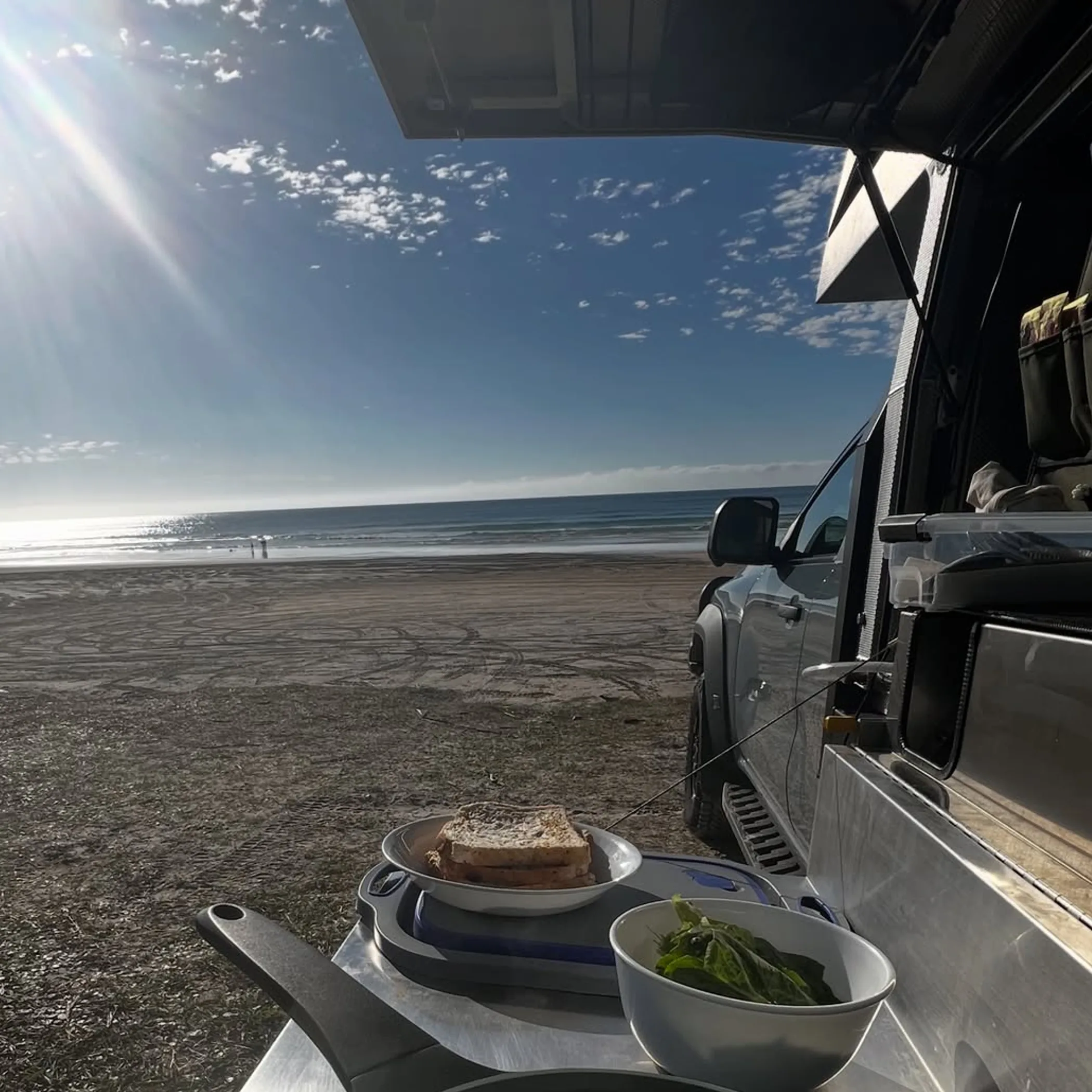
You can see wide differences in facilities along the coast. One campground has flush toilets and potable water, another offers a tank, a drop toilet and a picnic table. Take the list at face value: “toilet available” is not an amenity block with heating.
To be self-sufficient requires you to have on hand the food, fuel, water, lighting, first-aid and waste-storage to last the entire stay. An empty container is not going to be refilled by the coastal scenery.
Toilets, Showers And Kitchens
On an extended trip, or with children in tow and a camper trailer being put through its paces, the hot showers, laundry, camp kitchens and grey-water dump points found in commercial parks are worth having. The same cannot be said of a national park campground where you may be left with a drop toilet and little in the way of water infrastructure. Even if a tap is listed among the facilities at some sites you may have to supply your own drinking water, so verify it is potable before you put the billy on.
Food, Waste And Wildlife
Keep cooking gear clean and put food away in containers that are properly sealed. A quiet camp is no guarantee you are alone with wildlife, so do not put scraps out by the tent. In the absence of bins take your rubbish with you. And for portable or chemical toilets and grey-water systems, abide by the disposal rules of the campground; it is not pleasant to be dumping wastewater in a drain or by the side of a track and in some cases is not allowed.
Book Access And Seasonal Conditions
There is a difference in booking between the commercial and the national park. You can reserve online at some, others are first come first served and the more sought after may have a ballot or put dates out in stages.
Before making any travel plans in 2026, consult the official Parks Victoria camping and park access information. It is better to check for any road notices, closures, fire restrictions or local alerts than to go by an app review or an old screen shot.
Peak Periods And Availability
A public holiday or a summer weekend will see the good coastal campsites taken up in short order. It is hard to put together a booking at Wilsons Promontory or a prime spot on the Great Ocean Road at the last minute in the busy times. Have your dates? Book in early. Be flexible and you can make do midweek or in the cooler months, when winter means less company but also the odd strong wind, cold nights and less daylight.
Weather, Fire And Tides
In the space of an hour the coast in Victoria can go from sunny to a nuisance of wind. Make allowances for a damp night even if the sky was benign at breakfast, and have a look at the forecast and any park alerts.
Tides must be factored into any beach walk, in particular where there are rock platforms or a narrow shoreline. A beach is not to be considered an emergency way out unless the authorities say it is safe, and one does not camp under the high-tide line.
Build A Multi-Day Coastal Route
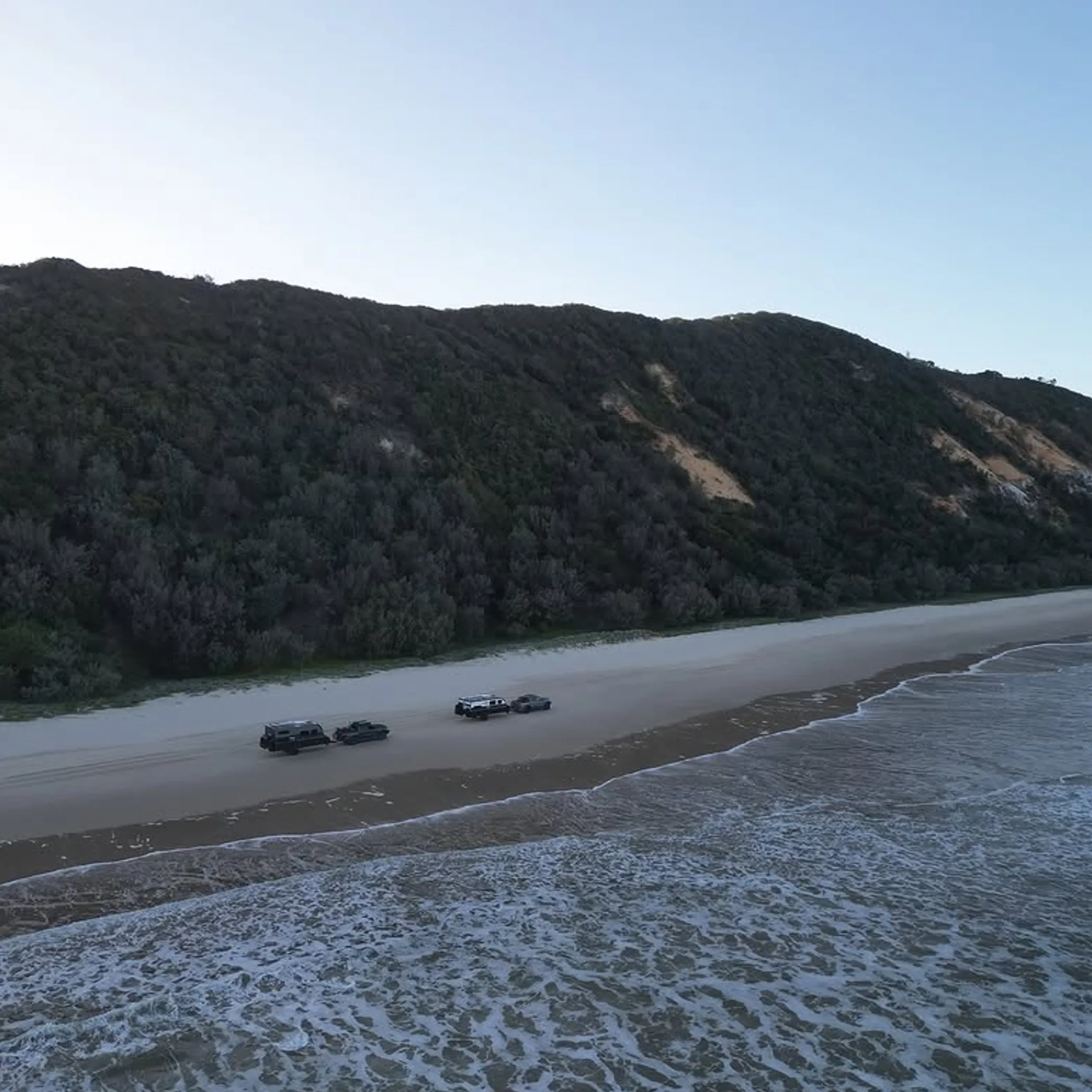
Make sure each day of a coastal journey has a sound objective for driving or walking and a place to sleep, with a fallback. There is no point in trying to hit every famous lookout; once you add in the traffic, meals and weather the distance between them is more than you think.
Stay put for a few nights if you can. It spares you packing, lets the wet gear dry and you may find the inclination for a leisurely breakfast or to sit and do nothing rather than putter off to the next vantage point.
Example Regional Itineraries
Make Torquay or some other well-put-together coastal town your home base for a brief foray on the Great Ocean Road before you head to Port Campbell. You will find the Recreation Reserves at Port Campbell and Princetown handy for getting to the 12 Apostles and Loch Ard Gorge, assuming local conditions and availability permit.
An itinerary centred on the Otways calls for you to set aside time for damp tracks, forest excursions and the like of narrow roads. Do not try to make of Cape Otway a quick detour to be fit in among other big attractions; it is best done at a more leisurely pace.
In Wilsons Promontory National Park Tidal River is the sensible place to put down for walking and the beach. A Gippsland trip might see one pair a serviced stay with an independent stop by the Ninety Mile Beach so long as the vehicle, water and weather are in order.
When One Day Is All
Confine your efforts to a single region. The Surf Coast offers short stops along the coast, shops and transport without fuss; the Great Ocean Road is for the landmarks; Tidal River only if you have made sure of access and can put in the longer approach.
Trying to do the Great Ocean Road, the Otways and Wilsons Promontory in a day is no way to plan an itinerary, it is just a vehicle in motion with some snacks.
Who Should Forgo the Remote
There is little call for beginners with no navigation ability, those of limited mobility or anyone who does not want to be lugging water and seeing to their waste to put up a tent at a basic or remote coastal camp. Reliable transport is another consideration.
A night at a foreshore caravan park is often the wiser course for families, first-timers or anyone with a large camper trailer in tow. An unpowered site or an exposed national park campground can wait until an easy camp has given you confidence.
A Coastal Camping Checklist
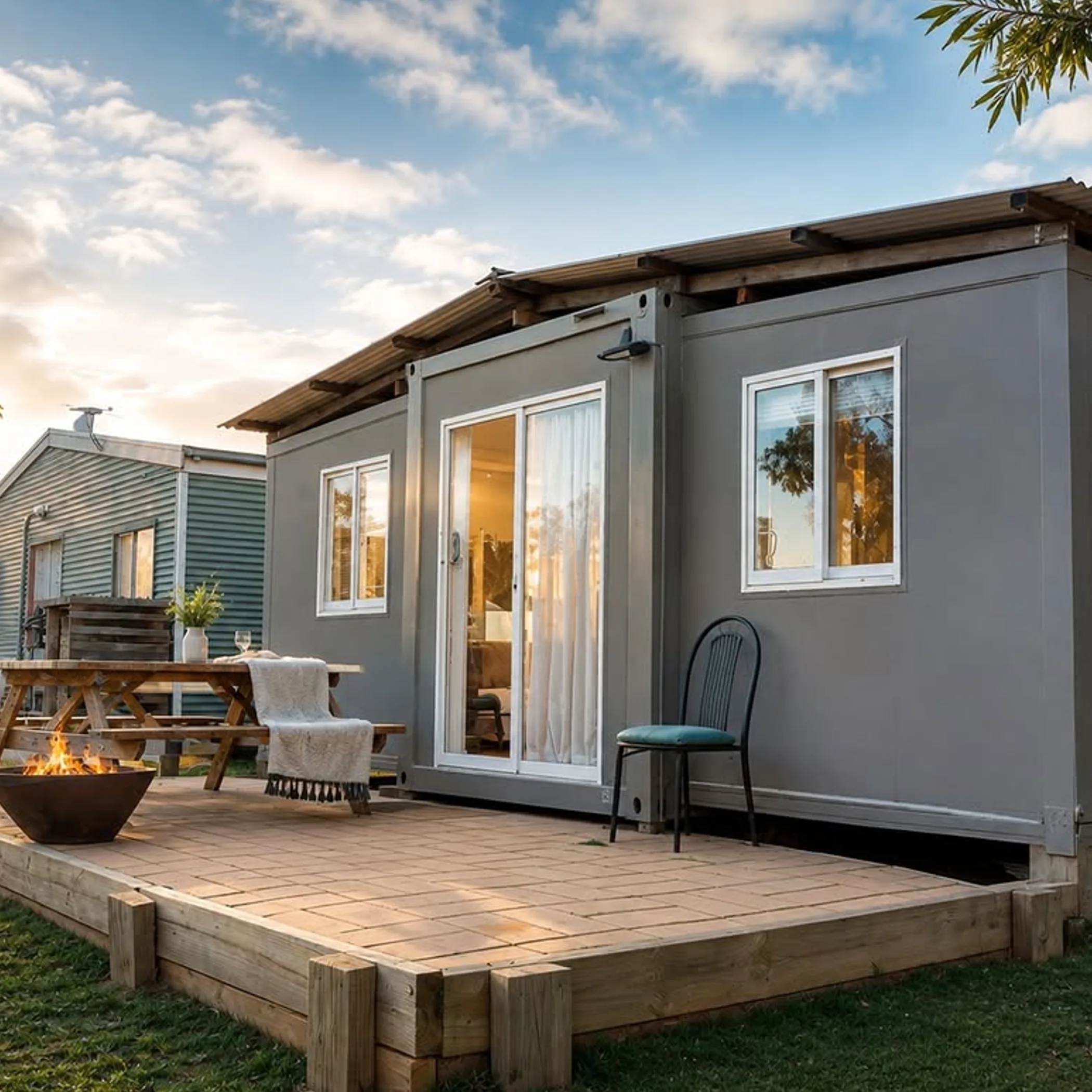
Do not pack for what you see in a glossy photo but for the reality of the conditions. Verify your return route, the state of the road and campsite, fire regulations and the weather prior to departure.
- Have your permits and booking to hand, a map downloaded.
- Potable water is not a given so take enough for all purposes.
- Wind protection, tent pegs and waterproofs and something warm to put on.
- Insect repellent, first-aid, rubbish bags and means of storing food.
- A recovery plan for the vehicle, torch batteries and charging gear.
- The number of someone who is aware of your plans and emergency contacts that work offline.
Some Answers to Common Questions
“Camping on the coast” is a term that can apply to a powered caravan or a service-less patch of bush, and many a novice is taken aback.
Victoria’s Unique Camping
You will find them in the form of forest camps in the Great Otway National Park, national park grounds with coastal walks, foreshore caravan parks by the beach or in the quieter parts of Gippsland around the lakes and Ninety Mile Beach. What is right for you will hinge on an appreciation for facilities or perhaps kayaking and remoteness.
Ghost Camping
This is the practice of an overnight outside an authorised spot, usually with no formalities or facilities. It is not to be assumed safe or legal. In Victoria one would do well to check with the land manager on any restrictions before making use of ground not put aside for camping.
Wild Camping in Victoria
It is not permitted in all quarters. Private land, reserves, beaches and national parks have their own rules and in some places camping is out of the question where there is no designated site. “No sign saying no” is not good enough, get permission from the land manager.
Powered Sites
The commercial caravan parks and some established areas in the vicinity of the Surf Coast, Gippsland and the Great Ocean Road will have them. But electrical specs and vehicle limits differ, so put in a call to the operator.
Beach Camping
Not everywhere. What is depicted in a photograph may be a campground in the vicinity of the beach and not on the sand itself. Have a look at the tides, erosion, fire and wildlife rules and vehicle access before you make camp beside any beach.
To Make the Trip Work
Your plan should be suited to your equipment and energy levels and how much uncertainty you can stand, not the one with the most stops. Opt for a serviced base for the hot shower and easy meal, or a national park for the wildlife and walking, or a Gippsland site where you are at ease with carrying your own. Allow for inclement weather and check the rules. And if you need to slow down, the coast is not going anywhere.