One can make of a trip to the more secluded waterfalls from Sydney without having to put a car in gear, so long as you pair the correct track with the appropriate train station. Uloola Falls and Karloo Pool are well served by Waterfall Station, Heathcote is the way to Kingfisher Pool, and for Kariong Brook Falls head to Wondabyne.
How to plan for waterfalls near Sydney on public transport is what Evelyn Marlowe sets out in this guide. You will find return connections, Opal fare details and some of the finer points that tend to be overlooked, along with an honest assessment of walking times and route difficulty. Do not think of these as a quick jaunt from the car park; they are a breathtaking mountain waterfall quartet and proper bush excursions. There will be uneven terrain, fire trails and creek crossings to contend with, not to mention a mozzie or two that seems to have it in for you, and your phone reception will be at a premium.
Plan Remote Waterfall Trips
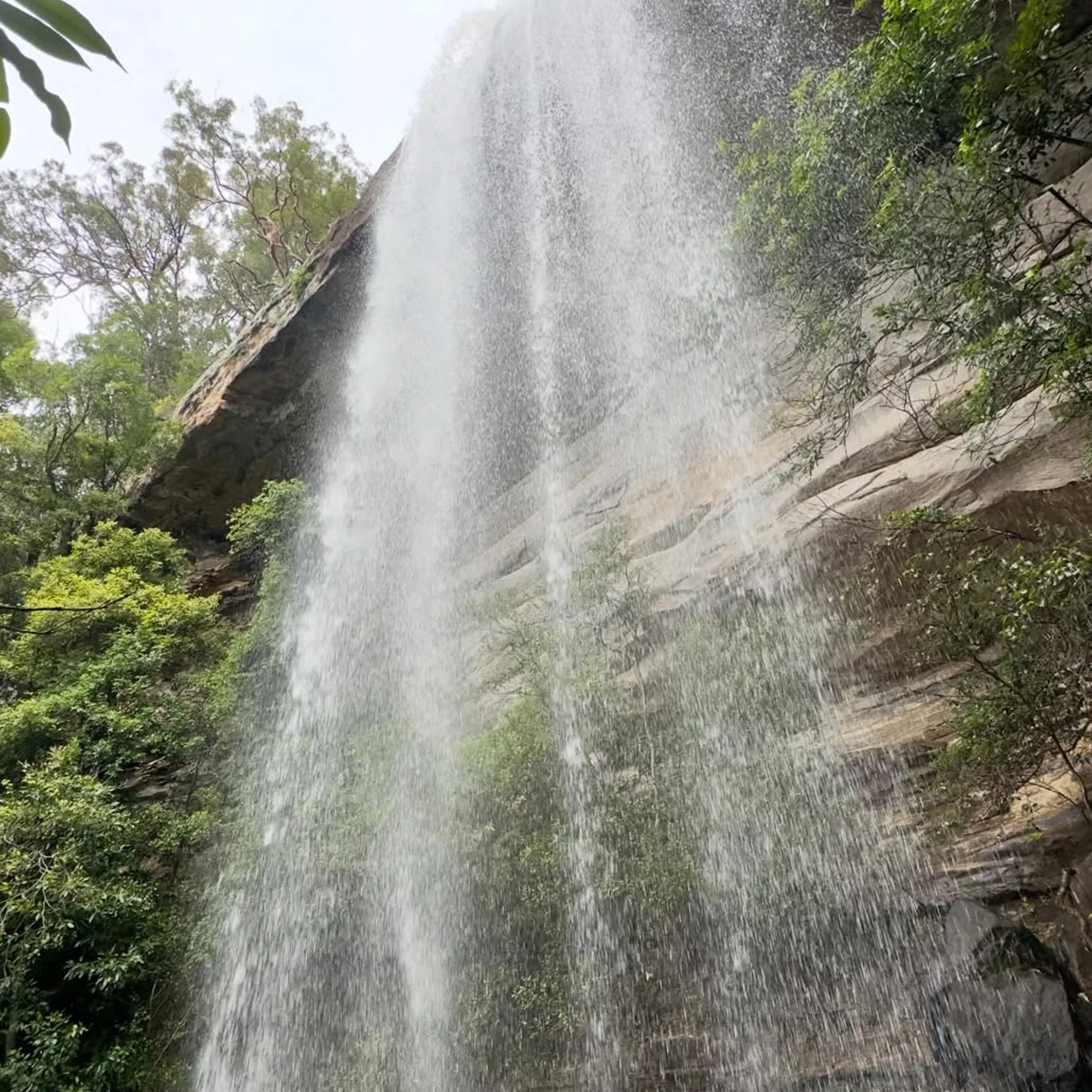
If you are going to do any of the better waterfall walks in the area sans car, put some thought into the transport before you are looking for a station at the last minute. Make sure you have the weather, trail conditions, any park alerts or track closures and the train timetable in hand.
They are fine for the independent walker happy to put in a few hours outside but not if one is after sealed paths or a view of the falls from the platform.
A Matter of Walking Style
There are three ways to approach a waterfall from Sydney. You can opt for a point-to-point which is more scenic if you have done your planning, or a return circuit back to the station which is simpler. With a request-stop like Wondabyne you have to be attentive since services do not all stop of their own accord.
The mistake most make is to be precise about the train and leave the walk to chance. Out in the bushland the walking dictates the day; a short-looking route on paper will lengthen once the rain has made the rocks treacherous and the creeks are running.
| Route | Transport Access | What to expect on foot | Difficulty | Best for |
|---|---|---|---|---|
| Uloola Falls | T4 Eastern Suburbs & Illawarra Line to Waterfall Station | Several hours, the return route being the variable | Moderate to challenging | The experienced walker for a Royal National Park outing |
| Karloo Pool | Waterfall Station, towards Heathcote National Park | Half-day return | Moderate | Natural cascades and a good swim hole when the weather is right |
| Kingfisher Pool | T4 corridor at Heathcote Station | Some rough going over several hours | Moderate to challenging | Those at ease with remote tracks |
| Kariong Brook Falls | Central Coast & Newcastle Line via Wondabyne | A full day of it depending on how you go about it | Challenging | A quieter route in Brisbane Water National Park for the strong walker |
Consider the figures in the table a range for your planning. An hour or more can be put in by way of lunch, navigation and photographs. Of the four, three are on the southern rail corridor and one on the Central Coast line where the request-stop does not make for an equally forgiving return.
Uloola Falls From Waterfall
For a train-based hike to the waterfalls there is no better place to start than Waterfall Station. It is your gateway to the Uloola Track and other paths in the Royal National Park.
It is a route to be taken at a sensible pace over the course of a day. Not something for after brunch unless you are in the habit of taking your hills at dawn.
On The Uloola Track
Get on a Sydney Trains service on the T4 to Waterfall. Once there you will see the signs for the Royal National Park and from them the Uloola Track. While some of the fire trails in the open sections and bushland may seem self-evident, do not neglect your navigation.
Figure on four to six hours to make your return, give or take, to Uloola Falls and back. Wet weather will slow you down considerably compared to a hardy walker in fine conditions. After a good rain the falls are at their best, though too much of it and the creek crossings become unsafe and the track turns to mud. In dry times you may be left with a trickle. The scenery is worth it regardless but do not count on the waterfall to put on a show.
Getting Back
You want to be back at Waterfall Station while there is still daylight. Have a turnaround time set in mind before you get to the falls and the train timetable saved to your phone. There is no point in putting it to the test and hoping to make the last service; if the way out is going to be longer than you thought, just turn around.
One should not come to Waterfall Station with the notion of being able to put in an order for a full meal at the track entrance. It is a station after all, not some kind of visitor centre. Make sure you have your food, water and means of navigation with you on arrival.
A Swim At Karloo Pool
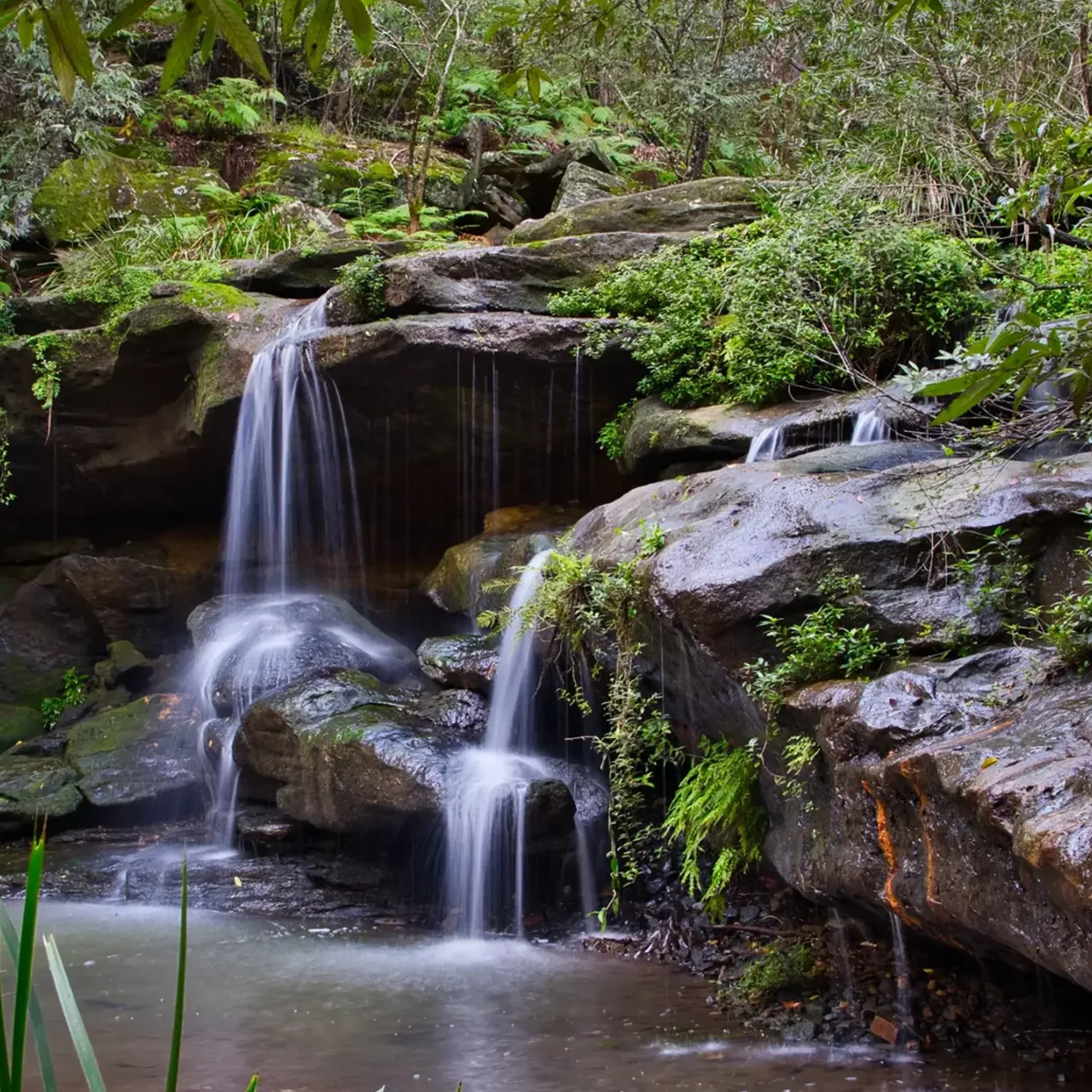
For those without a car, the walk to Karloo Pool is one of the more accessible ways to see a waterfall in the Sydney area. The Heathcote National Park setting provides a natural swimming hole, provided it is safe to do so. You will find rocky and uneven ground on the track.
It makes for a good day’s outing if Uloola Falls seems like too much, but do not mistake “shorter” for easy. After a few hours under the sun and a swim and lunch, the climb back is hardly as appealing.
Take The Karloo Track
From Waterfall Station, where you would have come by train, head along the signs for Karloo Pool. Factor in three to five hours for the round trip and time at the pool, give or take depending on the weather, how you check the route and your own speed.
The terrain is apt to be rocky and any wetness makes for slippery footing; leave the smooth-soled trainers at home and put on something with grip. As for the pool, it is unpatrolled and entirely natural, so have a look at the depth, the rocks below and the flow before you go in.
When To Put A Stop To It
A heavy rain can alter a swimming hole in short order. If the flow is strong there is no sense in getting in. Let the natural cascades be for viewing unless they are undeniably calm.
Those with older children can get by on this route, though it is not to the taste of toddlers or anyone who has trouble with uneven ground, nor is it well suited to a pushchair. For a single day and a hike that is sensible and within reach of the train from Sydney, Karloo Pool is generally preferable to Uloola Falls.
Kingfisher Pool In Heathcote
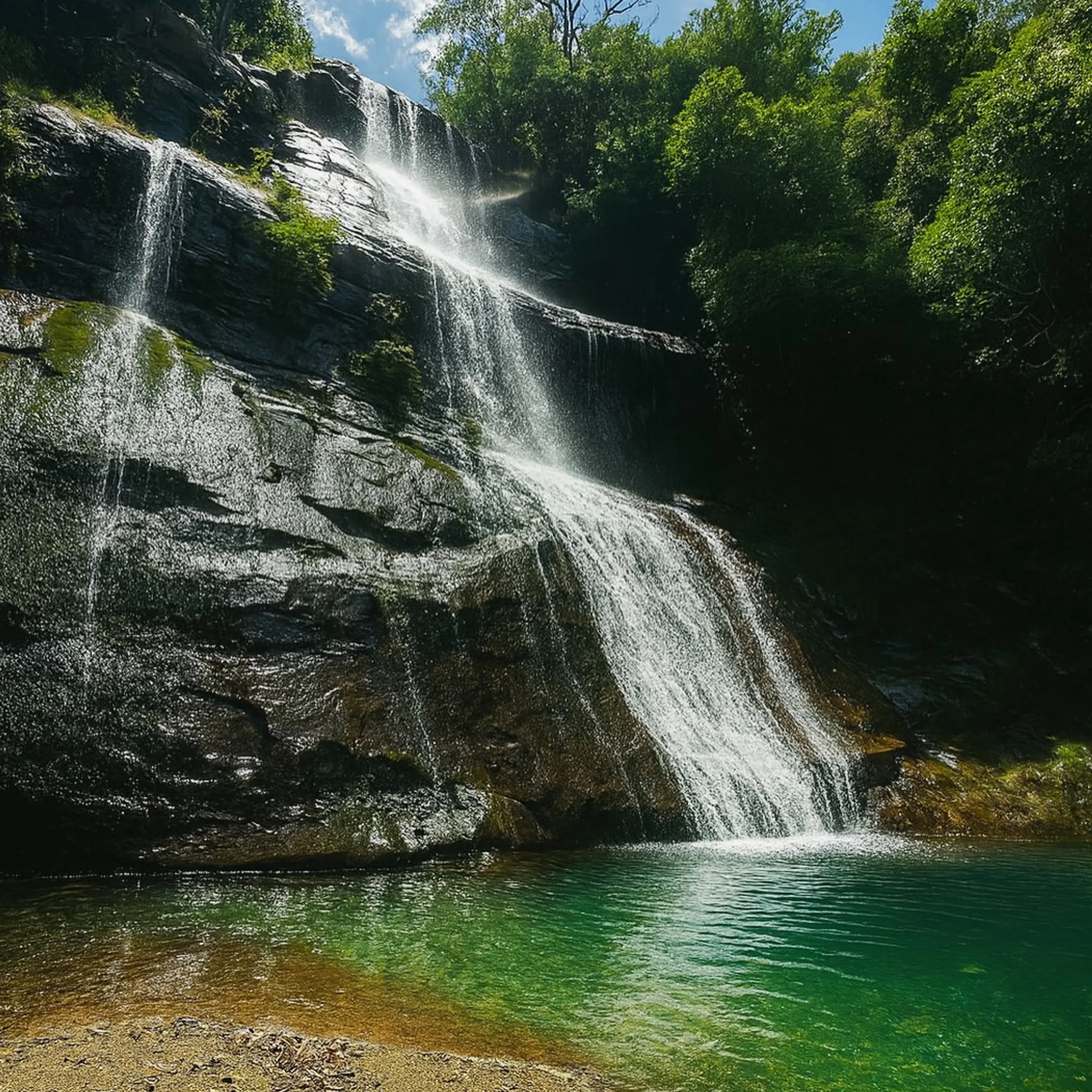
Heathcote Station is another rail option for getting into the bush and onto the Heathcote National Park tracks in the direction of Kingfisher Pool. It is for the walker who wants the feel of remoteness without having to put as many miles between himself and Sydney as some of the longer day walks.
Route-finding is the main thing to contend with. There are enough junctions, fire trails and other tracks to make the way seem self-evident until the map and the landscape are no longer in agreement.
On The Bush Tracks
Make your way to Heathcote on a T4 Eastern Suburbs & Illawarra Line train and then the established path to Kingfisher Pool, referring to the map at each major junction. A return will run four to six hours or more should you be walking with caution over rough country or put in some time for a swim and lunch.
You will find it remote and quiet in the park away from the weekend rush which is what draws people, but it does mean there is not always someone on hand to tell you if you are on the right track.
What To Pack
Do not rely on there being a drinking-water source to be had near the pool. Take sufficient water for the duration of the walk, and a bit to spare when it is warm. A physical or offline map, a first-aid kit, a phone with charge and provisions that will not reduce to an alarming paste are in order.
A late start is not advisable for Kingfisher Pool. Should the train put you down about midday, opt for a shorter local walk instead of trying to fit a full-day route in to the daylight.
Kariong Brook Falls
The most exacting of these is Kariong Brook Falls, a full-day proposition for most and a true bushwalk in Brisbane Water National Park with a greater measure of isolation than you get on the southern routes. It is for the confident sort who can handle steep or awkward ground and are at ease with navigation and whatever changes of plan are called for.
Start at Wondabyne Station on the Central Coast & Newcastle Line.
Be careful with Wondabyne
Your train plans must accommodate the request-stop system in place at Wondabyne. Be sure the service you are on will stop and know how to put up a signal to the driver to get on or off. Failing to do so could see a well laid-out day become an unscheduled tour of the railway.
Head for the falls via the Great North Walk and the local tracks from the station. Conditions on the track and creek can be different to what was expected, so be liberal with your time buffer and do not count on making the first train back.
A full day out will run to about six or eight hours, give or take, contingent on the conditions and which way one goes. Factor in some time for the falls, to put in a rest and for the navigation. One should not be in a hurry after a rain either; rock and creek crossings then demand a more measured approach.
Respect The Longer Return
It is on the way back that people are caught napping. Leave the falls too late and there is a prospect of an unwelcome wait at Wondabyne or having to put in some walking past the station. Have a look at the train timetable before you go and make sure you can see your return connection offline.
Kariong Brook Falls is no place for a novice. Those unaccustomed to bushwalking would do better to put in some miles on a shorter, well-signposted path and gain confidence first.
Other Park Waterfalls
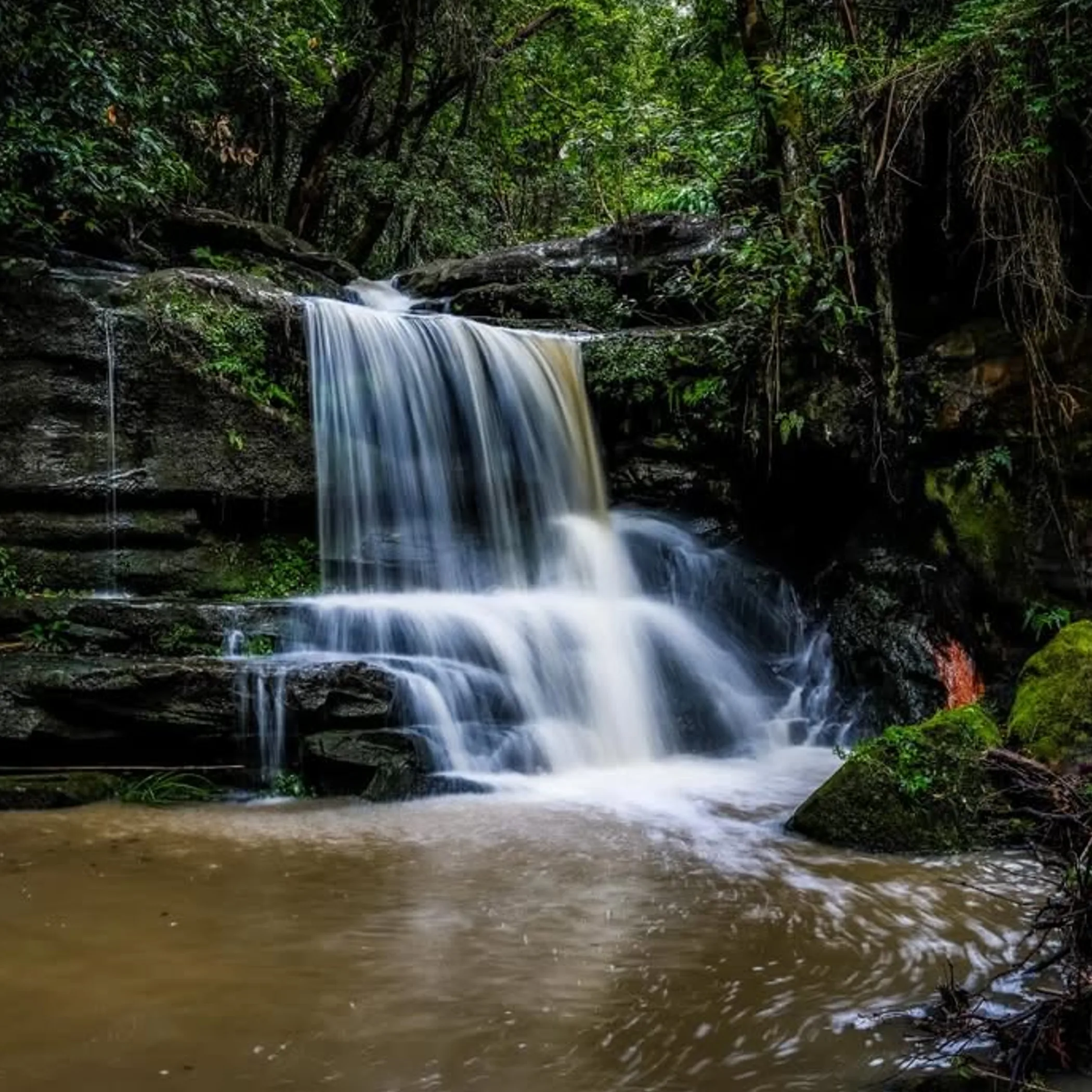
You will find public transport options in the Royal National Park beyond the three principal routes mentioned, if you are prepared for a good walk and perhaps a longer string of train, bus or ferry. Otford, Wattamolla, Audley, Bundeena, Sutherland and Cronulla can all be incorporated into a plan. They come in handy when the waterfall has run dry or the track is off limits or the times are not right. In any case they are a reminder that planning for a national park involves more than just the station on your doorstep.
Trains And Buses
Heading south in the Royal National Park, take the train as far as Sutherland, Waterfall or Otford and from there pick up a local bus or ferry. To get to Bundeena one might need a ferry from Cronulla; for Wattamolla or Audley it could be a matter of a road connection or a protracted walk from the last stop. Do not expect the same frequency of service away from peak times and be aware of seasonal changes. Make of it what you will: a forty-minute wait is fine if you have made allowances for it, but not when you are left with nothing to eat and wet socks.
The Blue Mountains
From Sydney, especially off the Blue Mountains line, public transport to the waterfalls is quite workable, though this guide does not purport to cover them as it does the three station-to-waterfall routes. Tracks from Katoomba, Leura or Wentworth Falls often have their share of steep steps and cliff edges and the return is long. If you are making a day of it without a car, a lesser known spot with a dependable train link will be preferable to something more renowned that entails multiple transfers; look at the overall time taken.
Fares, Times, Food
While it is a cheaper proposition than to drive, the expense of a trip by public transport is not negligible. There is the matter of food and water, proper footwear and the odd bus or ferry fare. An Opal card or other contactless payment will do, but check the going rate beforehand as prices and arrangements are subject to change. Put down in your budget for the return fare, lunch and a top-up in case of an extra connection. And as the NSW National Parks and Wildlife Service may alter access rules, consult them prior to leaving.
Make A Conservative Plan
To have a day to rely on, be at the station in the morning and the main part of the walk by midday, and have yourself clear of the waterfall with some time to spare before the sun goes down. Keep a later train in reserve. Tell someone of your intentions and put the route map and timetable on your phone.
What to pack: water and food first, then navigation, protection from the elements and sun, first aid kit and a phone with a charge on it. Toss in a head torch for good measure. It is hardly any weight and seems like a very smart thing to have done when a trail drags on.
Bushwalking Safety
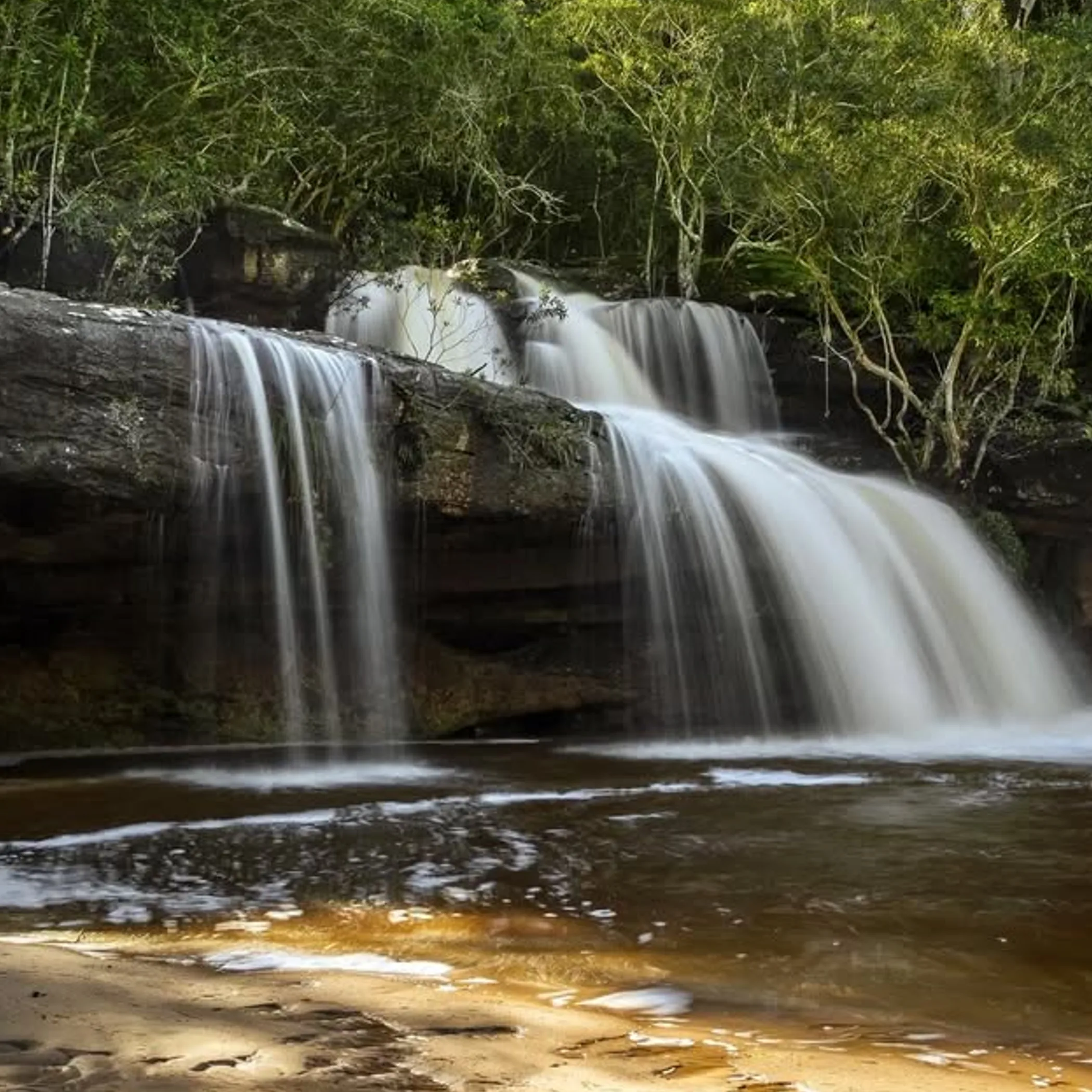
Remote waterfalls are unforgiving of a casual attitude to timing and will call for preparation. A forecast screenshot from the previous night is of less consequence than what the weather, fire danger and creek levels are telling you. So are any track closures.
One should consult park alerts and see how the trails are before setting out. Severe weather, the heat of the day or an active fire restriction are all reasons to forgo a walk. In summer there is not much scope to be inventive when bushfire closures put a stop to access.
- Make sure your route, when you will be back and what your fallback is are known to someone.
- Have more water on hand in hot weather than you would for the walk otherwise.
- Stick to the marked tracks; do not be climbing around a waterfall.
- And give cliff edges, fast water and rocks that are slippery a wide berth.
- Sun protection, insect repellent and good shoes are called for.
- When the light, the weather or your energy starts to fail, make a U turn.
Do not put faith in mobile reception, or in the supposition that another walker has the route down. Nor put yourself in a pool for a photo because someone else has done so. For the most part, being safe on a bushwalk is about making some unglamorous calls ahead of time.
Choose The Right Waterfall Day
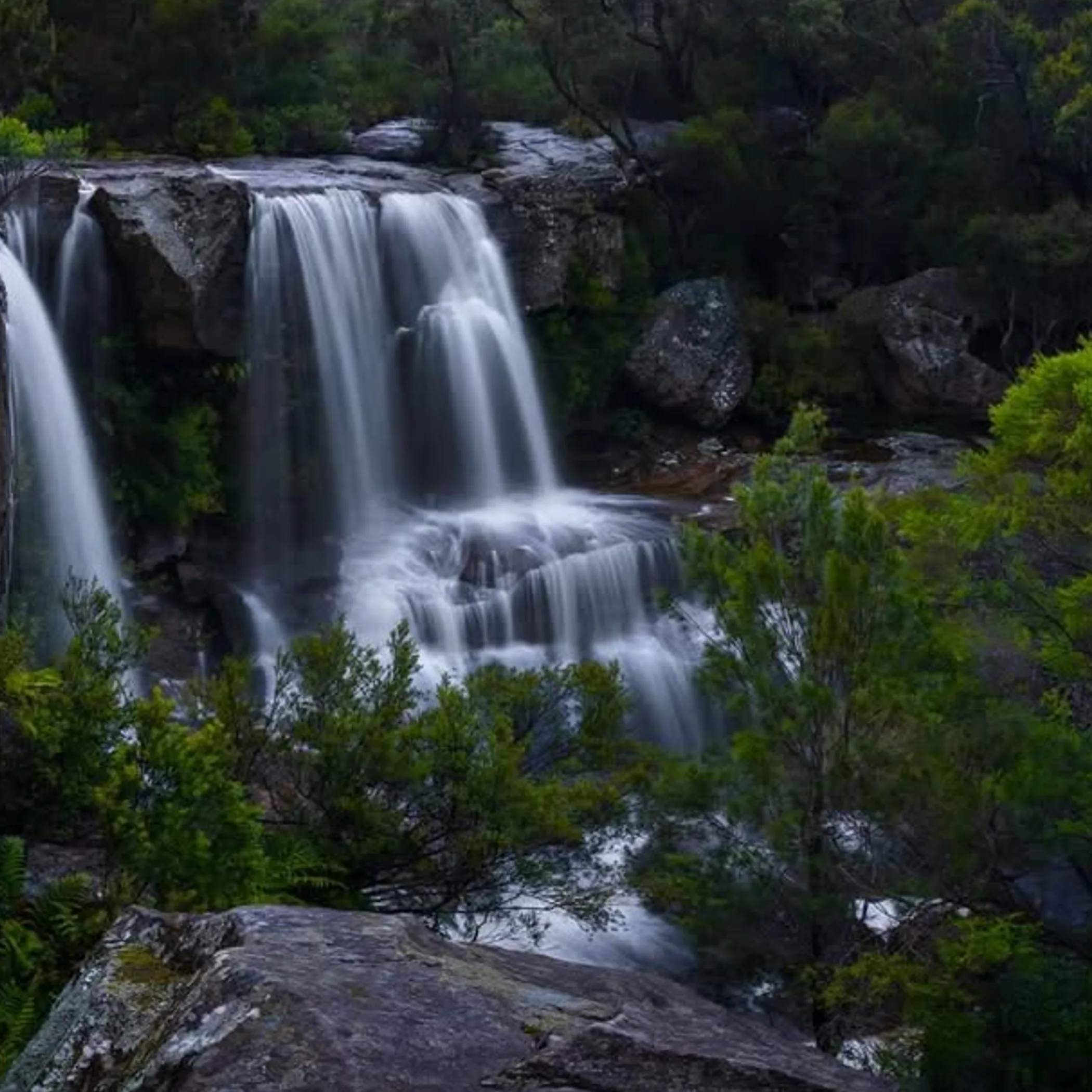
For a short trip Karloo Pool is the one to have if you have a day to spare. A longer walk in Royal National Park would be Uloola Falls. Kingfisher Pool in Heathcote National Park is better for a quiet time, while Kariong Brook Falls is for those with a full day and the ability to manage their timetable.
I tend to pick the route that leaves me with daylight to burn. There is no point in making a dash for the last train for a waterfall; you can come back for the views and your legs may not be as obliging another day.
Answer Common Transport Questions
Travellers making plans for a Sydney waterfall hike by train will ask these questions of themselves often. The answers below are straightforward but let the conditions of the day be the arbiter.
What Hikes Suit Public Transport?
From Waterfall, Heathcote or Otford stations, or some in the Blue Mountains, there are fine hikes to be had in Sydney. Many will find Karloo Pool a sensible place to start, but Uloola and Kariong Brook Falls will test your fitness and navigation and take more of the day.
Can I Visit Without A Car?
You can. Rail from Wondabyne, Heathcote or Waterfall Station will get you to some of the more remote waterfalls in the vicinity. At Wondabyne in particular you have to be meticulous with the return train and factor in extra time for the elements and the like.
Are These Hidden Waterfalls?
Remote, yes, but hardly unknown. You will find other walkers at the usual times and marked paths. Do not let “hidden” be an excuse for being unprepared: know the route and have a map before you leave the station.
Which Route Is Most Difficult?
As a rule Kariong Brook Falls is the most arduous; it is a full-day affair through Brisbane Water National Park from a request-stop. Uloola and Kingfisher Pool want a fit bushwalker. Karloo Pool is the easiest of the four but the ground is not even.
Can I Swim At Every Fall?
Not necessarily. It is a matter of depth, flow, quality of the water and so on. There is a swimming hole at Karloo Pool but natural water is unpatrolled and can hide things under the surface. One does not swim in fast water or in the wake of heavy rain.
Leave With A Sensible Plan
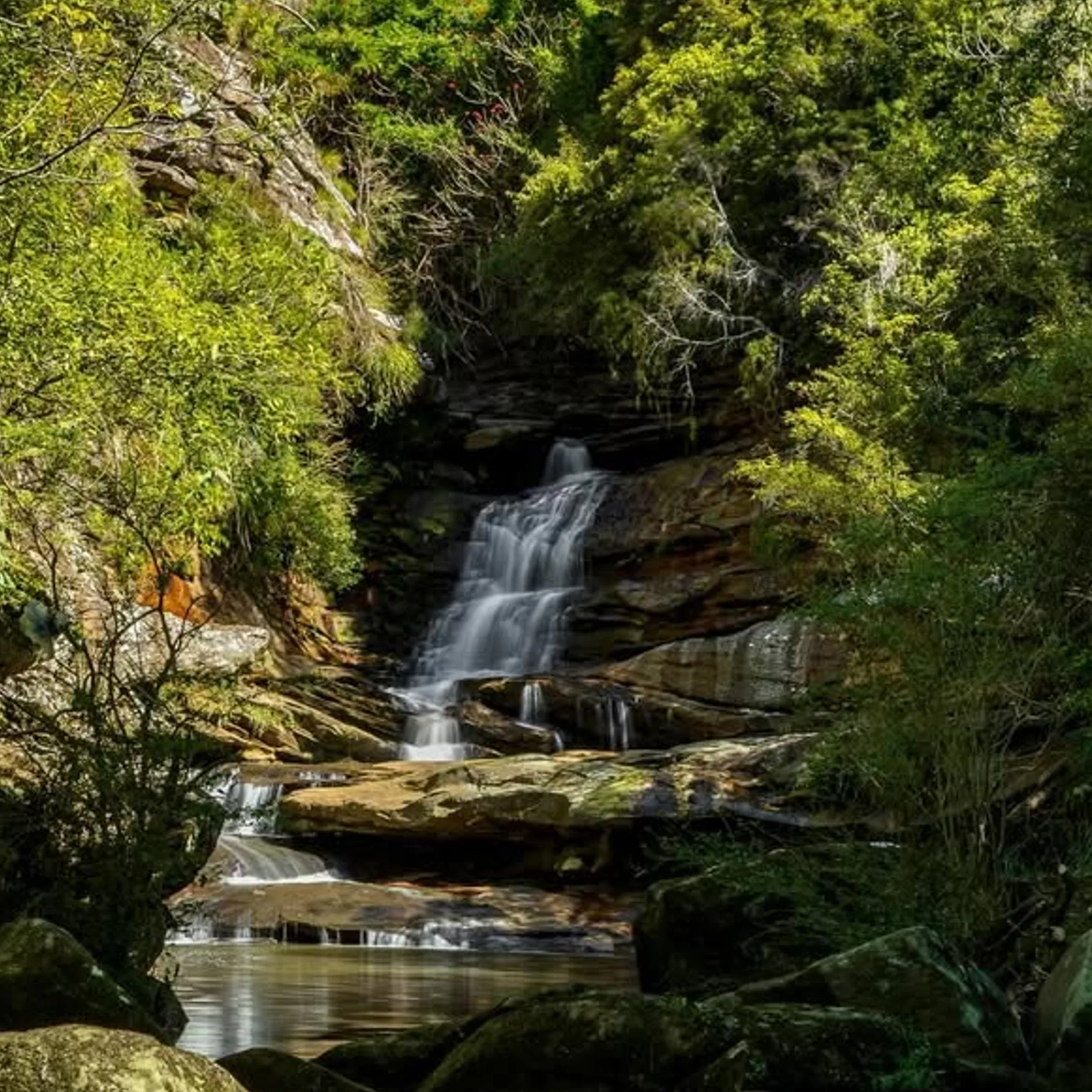
With the right plan involving the train, the weather and the walk, a public transport trip to the waterfalls near Sydney is perfectly feasible. Wondabyne and Kariong Brook Falls require a certain discipline and experience, Waterfall and Heathcote Stations are more direct.
Get an early start, be liberal with your return buffer and check on access. You want to be able to tell a good story when you get home with dry socks and a phone in working order, not just to have ticked off a quartet of mountain waterfalls.