The question of how often to clean solar panels in Australia is easily answered: put an inspection on the calendar every three to six months and get to work when you see a build up of dust, pollen, salt spray, moss or bushfire ash and bird droppings. Rain will do some of the work in places, but one should not count on it to dislodge more tenacious grime.
If the roof is dry and there is no danger in getting at it, a cool overcast morning in spring or autumn is ideal. But while a careful hand with a single-storey roof of gentle pitch is fine for DIY, leave the two-storeys and steep inclines to those who make a living from professional solar panel cleaning. Evelyn Marlowe has put together this guide to tell you what to expect from cleaning costs in 2026, how the seasons dictate things across Australia and on the subject of safety, why it should have the final say.
Australian Panels: How Often To Clean?
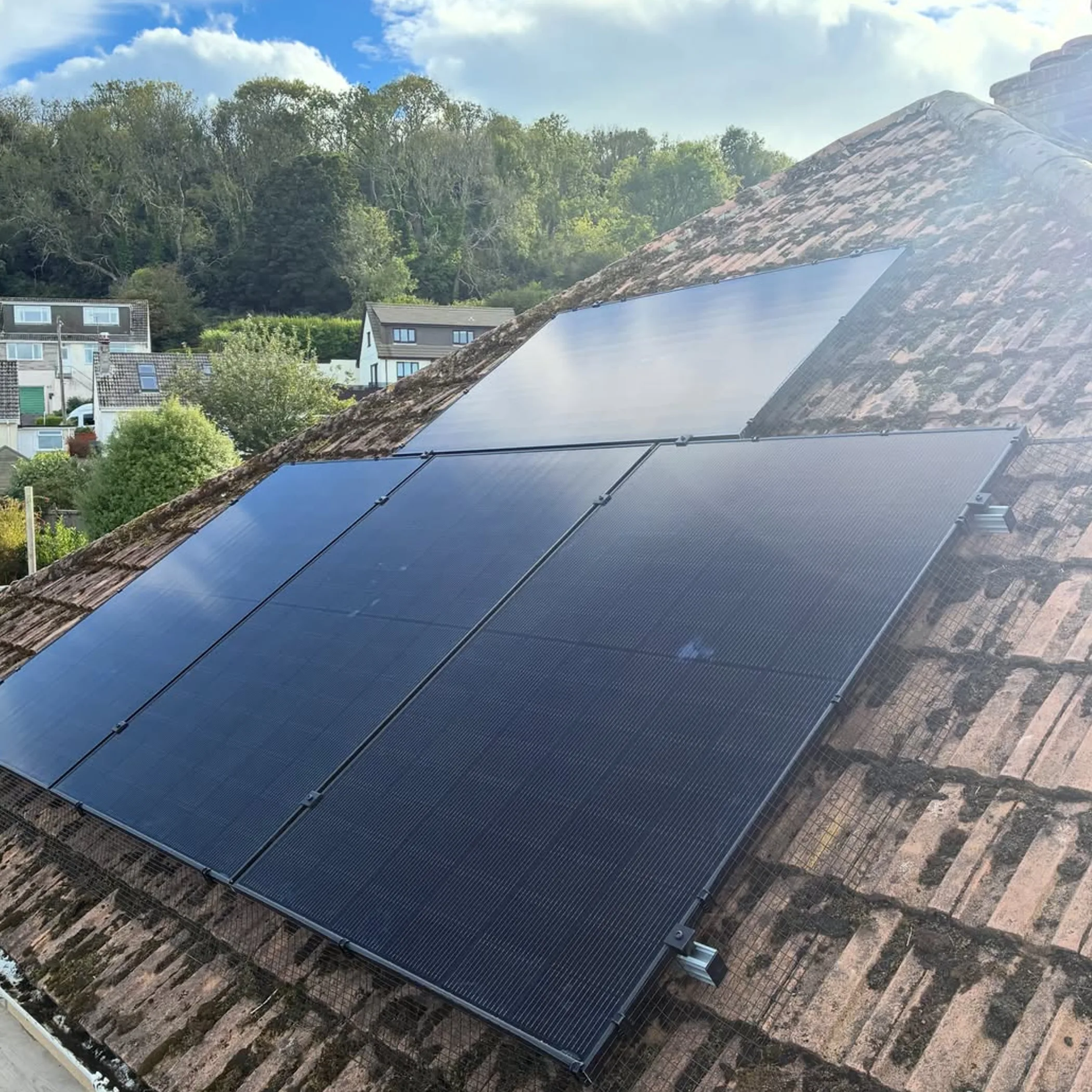
It is the local environment that will determine the frequency, not the calendar. A property in the suburbs with its share of light rain will not require the same level of attention as one off a dusty track, in a farming area, by the coast or in bushland.
Make a habit of regular inspections to safeguard your output; it is the way to spot a crack in the glass, wiring issues or drainage trouble before they turn into an expensive matter. For more guidance, see Victoria solar maintenance tips. They are tough, but solar panels are not some kind of self-cleaning roof tile.
Let Conditions Be Your Guide
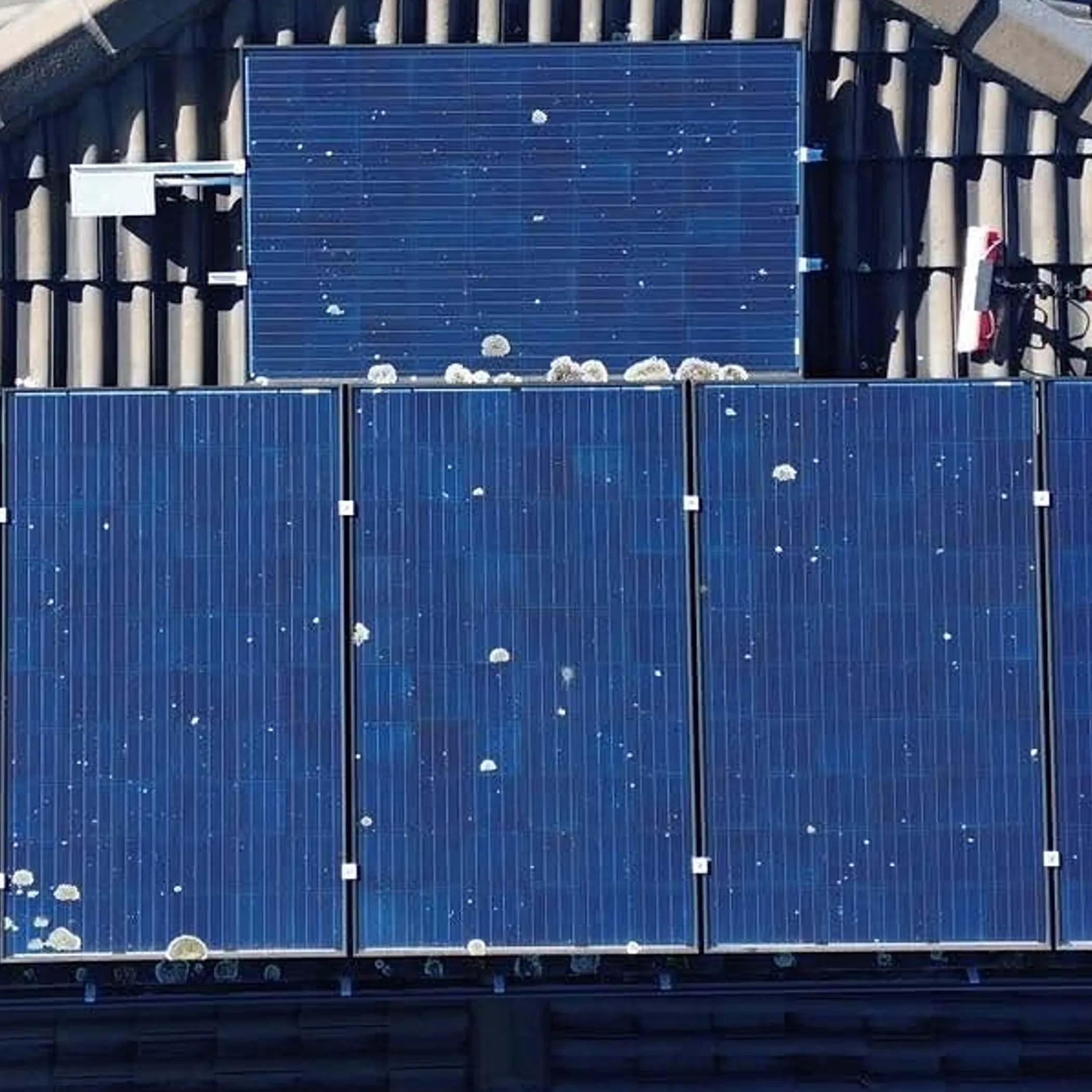
As a rule of thumb, inspecting quarterly and a couple of cleans a year is reasonable for most. After a heavy dusting, some construction in the vicinity, a lot of bird activity or the aftermath of a bushfire, clean up sooner. Inland you will find fine dust that rain makes into a film, coastal properties pick up salt and in the shade moss will make itself known at the edges of the panels.
Then again, do not take a dip in energy generation as evidence of dirty panels. You can see the like from inverter trouble, new tree shade, cabling damage or even just the way the household is using electricity. If the numbers look odd compared to the same time last year (where you have good monitoring data), have them looked at.
Pick Your Season
Good planning for seasonal solar panel cleaning in Australia means taking account of the weather, what is on the roof and the temperature. It is a way to be safe and put the system through its paces ahead of higher use. There is no one month for the whole country; conditions in northern Australia or regional Victoria are not the same as in Melbourne or the NSW coast so heeding the local weather is better than any generic reminder.
What Works For Most
Spring is a sensible time to deal with the pollen and winter residue left behind, the mildness of the day making it less of a chore on the roof. Autumn will do for summer dust and storms or the leaves and ash they bring.
Do it early and when the panels are cool. Hot glass will have water dried on it in a moment and leave a mark, and nobody wants to be in a hurry on a hot roof. The Bureau of Meteorology has the official Australian weather forecasts and warnings service for a word before you start.
To Get Through The Seasons
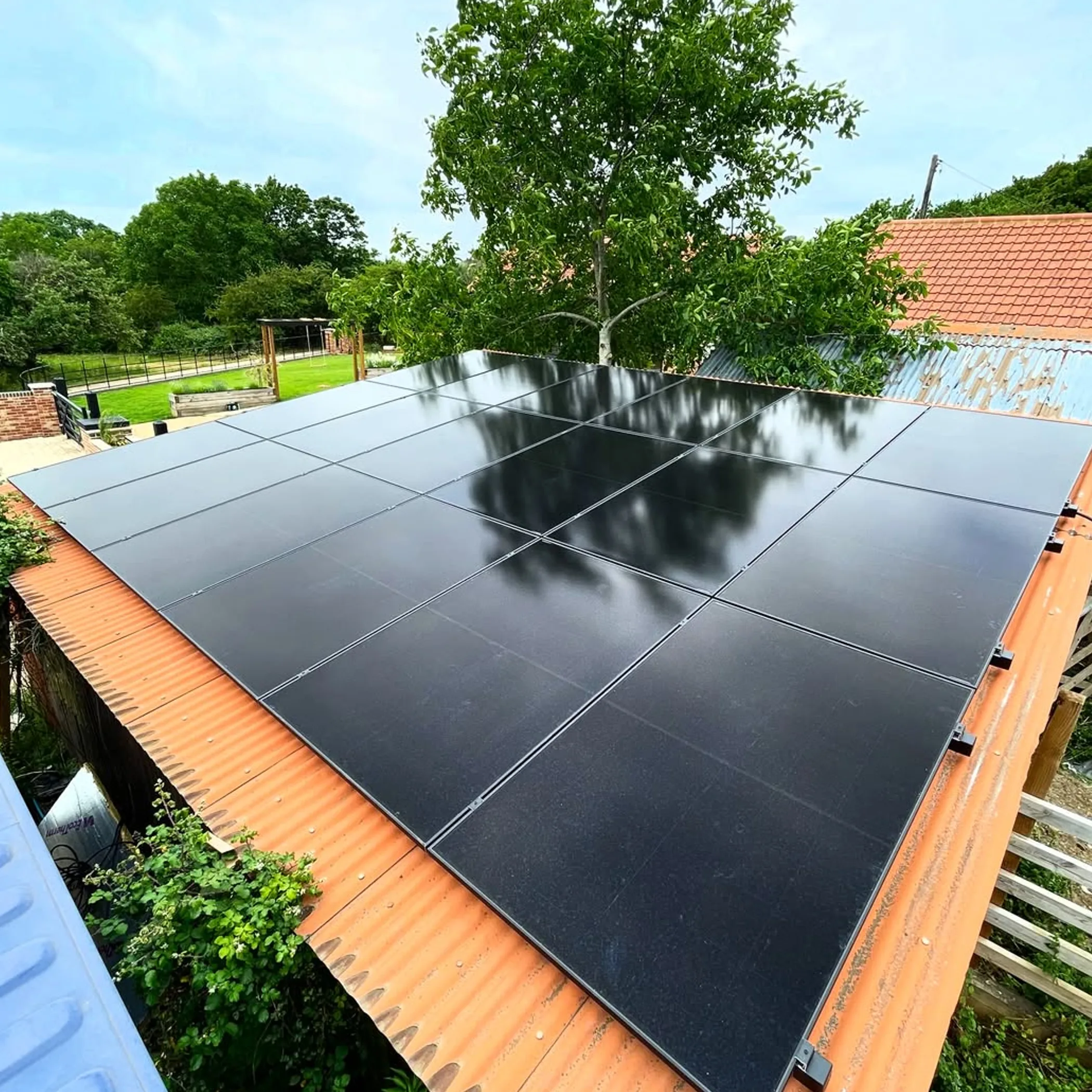
Rather than let the system go to rack and ruin, a little routine each season is simpler to adhere to. Take the table below as your plan and make allowances for your suburb and recent weather.
| Season | Debris to Expect | Maintenance | Safety |
|---|---|---|---|
| Summer | Dust, heat, storms and bird droppings | Put the storm damage to the test and review the solar data | Extreme heat is no time for roof work |
| Autumn | Organic residue, ash, leaves and dust | Clear any debris impeding drainage or shading the cells | Slippery from wet leaves |
| Winter | Grime and moss in the shade, rain | See if mounting points are sound and check for shade | Frost, wind and rain mean stay off the roof |
| Spring | Pollen and the odd bit of winter dirt | An annual clean and inspection is in order | No ladders without support |
In Summer It Is More Than Washing Glass
A spell of hot weather will put a temporary damper on solar output. Storms have a way of depositing bird debris, dirt and branches over part of the array. Should output dip in the heat and then pick up as it cools down, there is little reason to think cleaning is at fault.
Then there are matters of safety. In northern Australia one may be advised to stay off the roof with cyclone alerts or wet-season storms in the offing. And in the summer, where bushfires are a risk, ash can make quick work of settling on an array; it must be put to rights carefully once it is safe to do so.
Autumn And Winter Checks
One can put autumn to good use for leaf removal and to see if the array is being impeded by overhanging branches or gutters. Maintenance in winter is of a lighter nature for the most part, but a damp, shaded roof calls for some attention since moss will form in the absence of sun.
Do not count on rain to do the job for you. While it might wash away common dust, mineral marks will be left behind on drying and it is no match for dried droppings, oily pollution or ash. Consider rainfall something of an aid to maintenance but not a sure thing.
Spring Cleaning Preparation
Before putting anyone on the roof for a spring clean, a visual from the ground is in order. Note any new shade, nests, discolouration, cracked panels, loose conduits or seals about the array.
Provided the inverter or app can be read without difficulty, make a note of the date and what has been generated of late. It serves as a point of reference, though a light soiling will not warrant a dramatic change after a clean.
Spot The Need For Cleaning
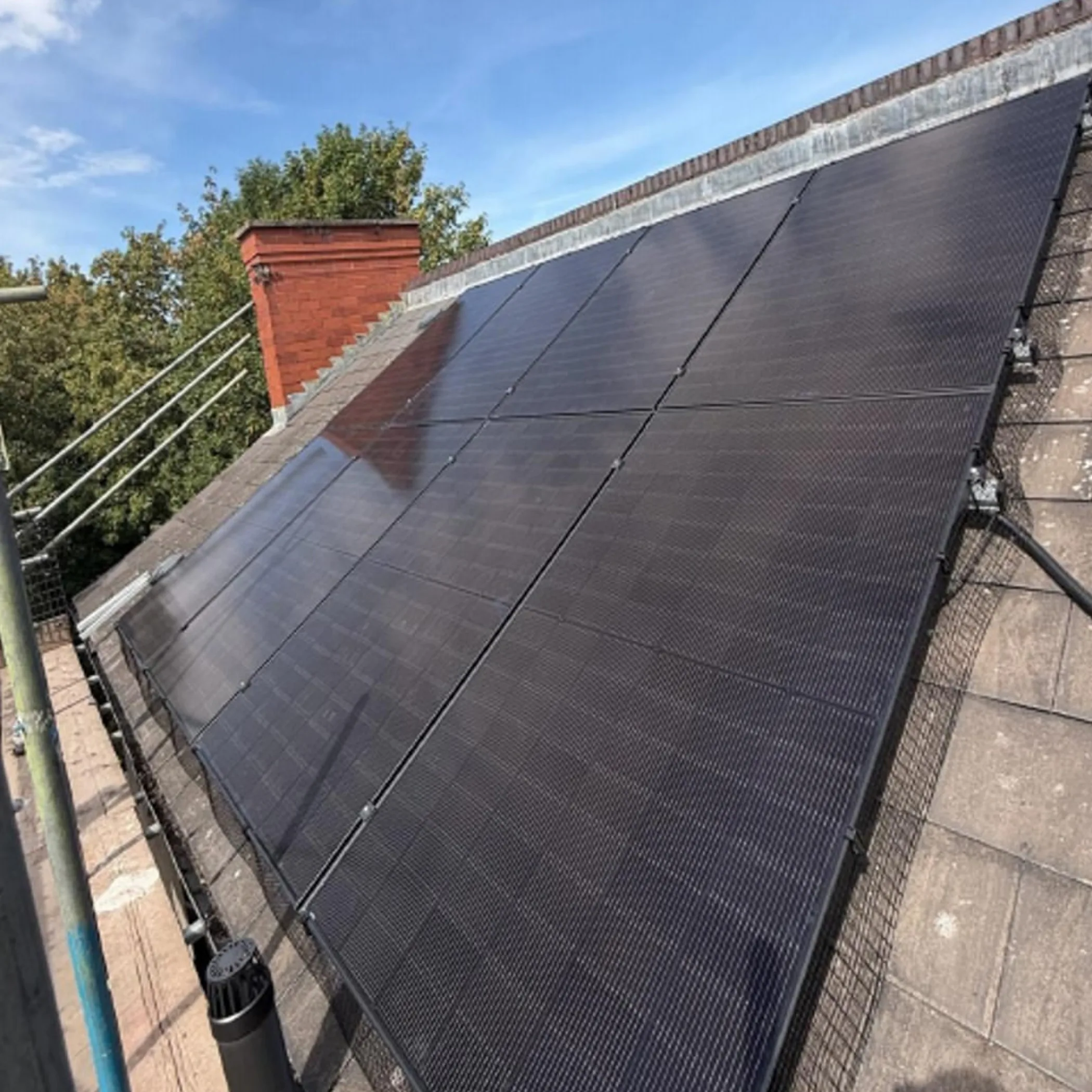
There is more to it than the grime that is plainly visible; the state of the roof and performance will give you an indication. A check from the ground will tell you if a professional is required or if it is time to get to work. But do not go climbing on the roof to verify what is already in plain sight. An avoidable fall is hardly worth the trouble of getting rid of a fine layer of dust.
Visual And Performance Clues
- You will know if a good portion of the panels are under a covering of salt spray, pollen, heavy dust, moss, ash or bird droppings.
- Or perhaps the solar output has altered for no apparent reason in terms of household use, shading or the weather.
- Thick residue will cause water to run around it rather than wetting the glass in an even manner.
- Debris may be coming from a new quarter, be it unsealed roads, construction, trees or roosting birds.
- Should the panels present cracks, chips, cabling issues or evidence of water ingress, an inspection is called for, not a cleaning.
A dirty corner is not necessarily an invitation for a major service, but a wide expanse of filth across the array will keep light from the cells. Any talk of a set percentage improvement is unwarranted given the variables of panel angle, system design and the like.
Diy Versus Professional
If the panels are within reach of the ground or a proper access area, DIY is an option. When roof pitch, height or electrical access pose a genuine risk of a fall or to equipment, call in a professional.
The lowest price is not invariably the best value. One broken tile or damaged panel and the cost of an emergency call-out will put the fee for a proper service into perspective.
When Diy Is Appropriate
It is possible for a homeowner to use a soft brush or a tool made for the purpose with clean water on panels that do not require one to step onto the roof. Adhere to the manufacturer’s instructions for the inverter and panel and eschew high-pressure sprays, harsh chemicals or abrasive pads. Dry grit should never be scoured across the glass; in a hurry one might as well be using sandpaper. Leave the cabling alone and do not pour cold water on hot glass or prop anything against the panels.
Engaging A Professional
For a two-storey roof, a steep incline, fragile tiling or panels sited over an extension, a professional is the better course. A qualified cleaner will have the requisite safety gear and the sense to distinguish between washing a panel and meddling with its electrics.
Make sure the quote covers travel, water-fed equipment, any difficult access and a visual inspection, as well as defect reporting. No contractor should be suggesting that a wash will fix an inverter or wiring problem.
2026 Cleaning Costs
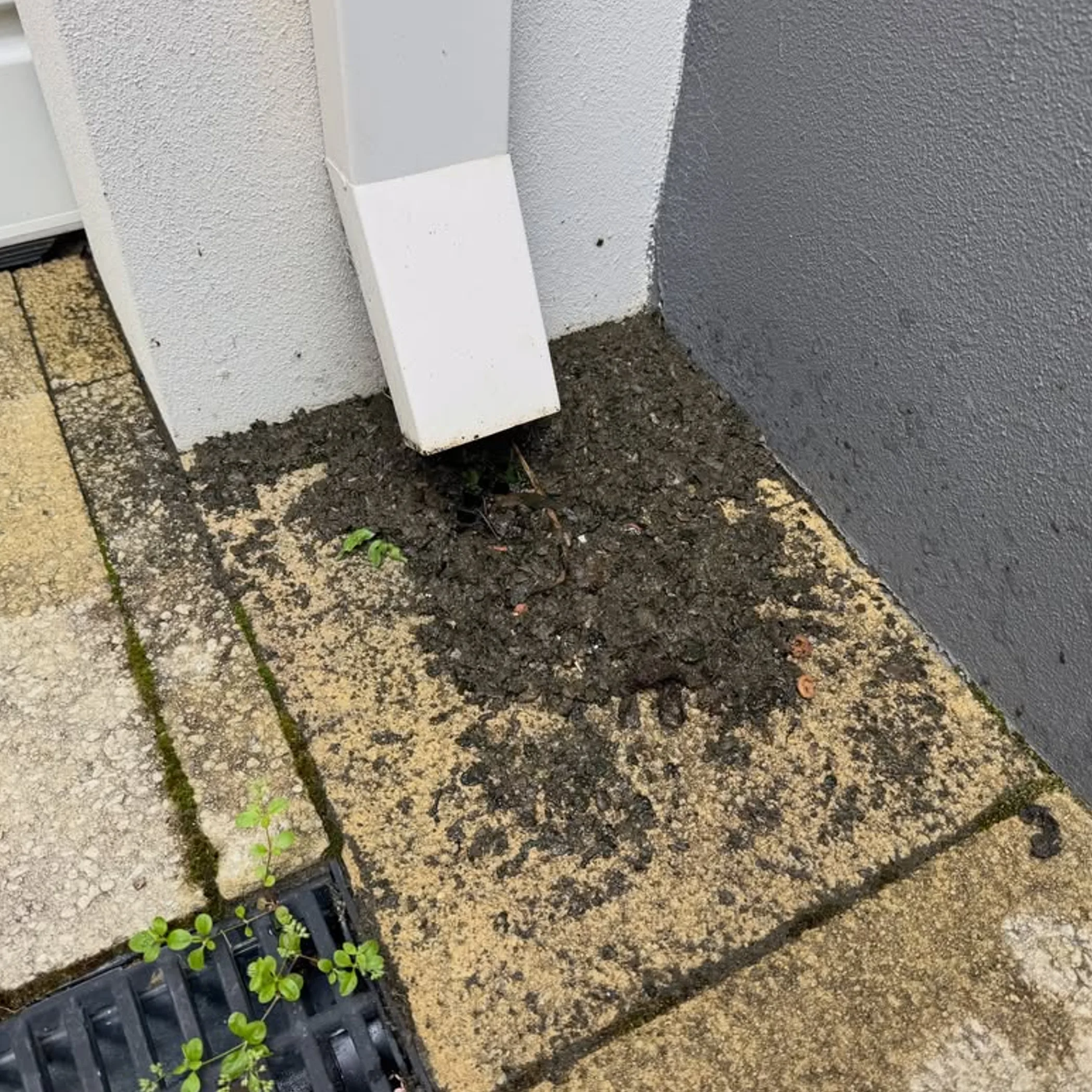
In Australia 2026 the cost of a clean is a function of location, system size, condition of the panels, roof height and access, to name a few. With no national price to regulate things, what one sees online should be taken as a guide for the budget and nothing more.
A homeowner is likely to be quoted in the order of $150–$300 AUD for a no-fuss 6.6 kW system on a single-storey roof. Put in an extra storey, make access hard or have to contend with heavy staining and an inspection and the figure can run to $250–$500 AUD and up. Do not mistake these for hard statistics though; they are for planning purposes only. Have a written quote from a local before you put anything in the books.
| Job Type | Indicative 2026 Budget | What Can Change The Price |
|---|---|---|
| Accessible single-storey system | $150–$300 AUD | Condition, travel, size of system |
| Two-storey or otherwise difficult roof | $250–$500 AUD | Roof height, need for safety equipment and access |
| Heavy debris/ash removal | In excess of standard service pricing | Labour, disposal, thickness |
| Cleaning with some inspection or reporting | Quote required | Scope and equipment |
Read your quotes
It is well worth comparing like with like. A quote from one firm might be for glass cleaning alone; another will have factored in ground-level inspection, a rinse, any equipment for hard-to-reach places and a short report on condition. Find out if the price is inclusive of GST and travel, how many panels are in scope and what their policy is should unsafe access preclude the work. There is more value in a transparent quote than one that is cheap but has half the job left out.
Victoria Solar Maintenance Tips
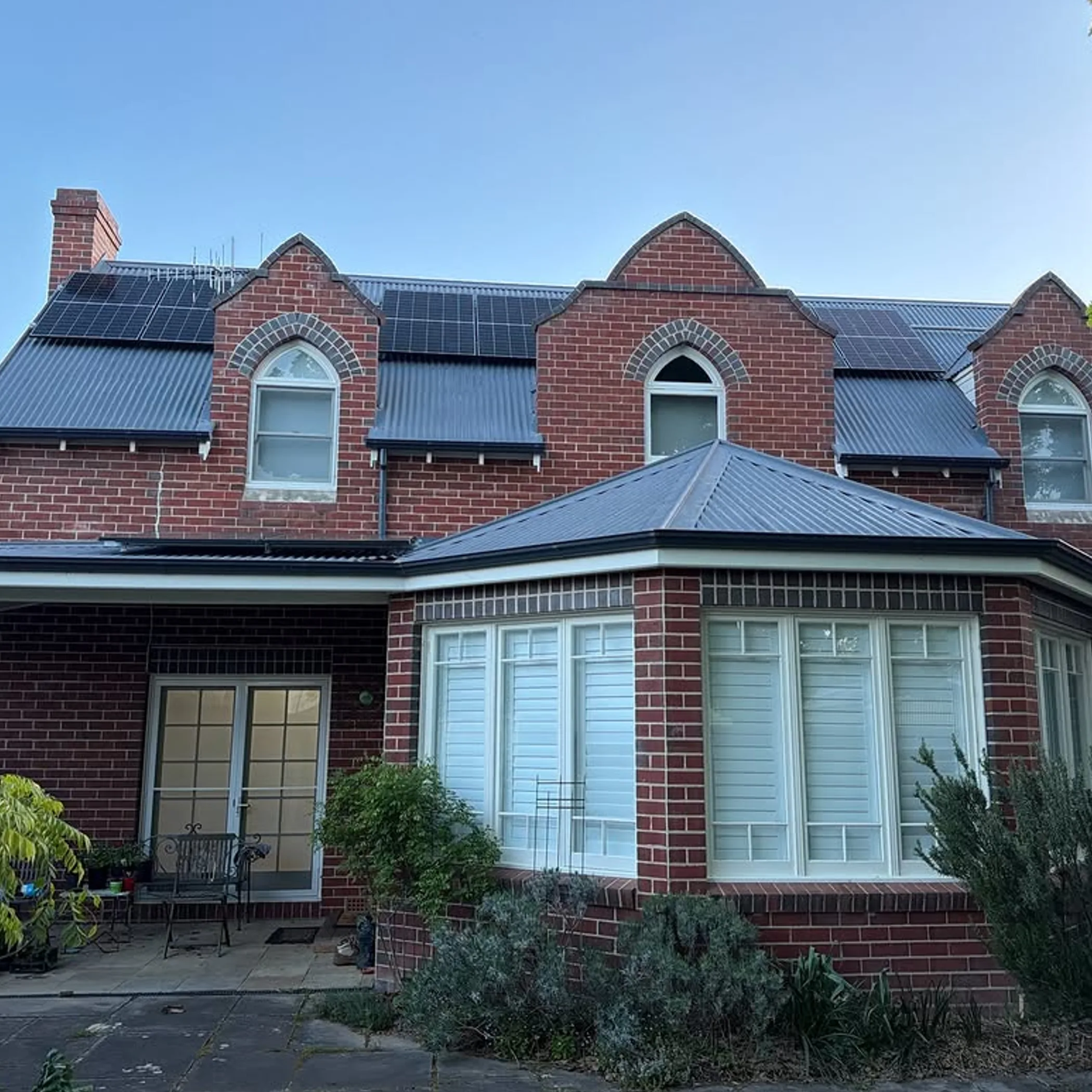
The right routine is dictated by the suburb, the design of the roof and the history of the property since it was last looked at. Victoria’s conditions can be diverse: urban dust and pollen in Melbourne, or in regional parts of the state, longer dry spells and ash from bushfires or farming. These tips are of use in southern Australia generally (with due allowance for the weather) and particularly so around spring pollen, the summer heat and in the wake of bushfires.
Melbourne And Regional Victoria
You will find solar panel cleaning services in Melbourne at their busiest come the spring or after a spell of dry, windy weather. Fine dust is quicker to accumulate on a home off a major road or where there is building going on than in a leafy street; then again tree shade is seasonal. Out in regional Victoria one should inspect for the effects of harvest, smoke or protracted dryness. When the roof is cool and it is safe, any ash can be put to rights. But if it is thick or you cannot get to it easily, do not be making do with a ladder and a hose, leave it to the professionals.
New South Wales Conditions
NSW presents its own demands, be it salt spray on the coast, bushland detritus or inland dust. Salt residue is apt to linger once the rain has evaporated so a coastal home calls for more regular visual checks. Where bushfire is a risk, heed the emergency advice of the locality first. You can let the cleaning wait, but a bucket does not make for good negotiating with unsafe wind, smoke or a compromised roof.
A Safe Cleaning Checklist
To keep things in order and to distinguish the cleaning from any electrical maintenance, a simple process is best. Should you have any misgivings about a step, put a stop to it and get a qualified inspection.
- Before you begin see what the weather is like and check the roof temperature and access.
- Do a walk round of the array from the ground and put down any damage or odd shading you spot.
- Follow the manufacturer’s instructions as to when and how to switch equipment.
- Stick to clean water and something soft and non-abrasive; put away the high-pressure sprays and harsh chemicals.
- Make sure ladders, people and hoses are kept well clear of the roof edge and any electricals.
- After a gentle rinse and a chance to dry, put the monitoring data to the test over the next few clear days.
Work above ground level is for those with the training, the equipment and safe access. In daylight a solar system is still electrically active, so this is not a matter of making the roof safe to work on.
Frequently Asked Questions
When it comes to putting a plan in place for seasonal cleaning in Australia, these are the questions most put to us. The answers below are practical, but always defer to the manufacturer and to roof safety.
How Often Should Solar Panels Be Cleaned In Australia?
One or two times a year for many, some more, some less. As a rule of thumb, do an inspection every three to six months and get them cleaned if you can see the debris on the surface or if it is particularly dusty, smoky or salty where you are.
What Is The Best Time Of Year To Clean Solar Panels?
Spring and autumn tend to be the most sensible, with milder temperatures and seasonal debris easy to put your finger on. Make it a cool, dry morning and steer clear of wet surfaces, wind or the heat of the day.
How Much Does Solar Panel Cleaning Cost In Australia In 2026?
For an accessible single-storey system you might budget $150–$300 AUD. A roof that is high, hard to get to or in bad shape could set you back $250–$500 AUD or more. It all depends on location, system size and if an inspection is part of the deal.
Can Rain Clean Solar Panels Effectively?
It will wash away loose dust but do not expect it to be a substitute for a proper clean. Dried bird droppings, moss, salt and ash are not so easily shifted.
Should I Hire A Professional To Clean Roof-Mounted Solar Panels?
If the roof is steep or fragile, or you are without the right safety gear to reach the panels from the ground, then yes.
Keep Solar Output On Track

There is nothing complicated to solar panel maintenance across Australia: do your inspections, clean as the conditions require and make roof access the prime safety consideration. You are better off with a functioning system and a safe homeowner than chasing some marginal theoretical advantage. For the majority a check in the spring or autumn and an eye on the energy generation will suffice; when the roof or the electrics are outside your comfort zone, call in a professional and get a written quote.