There is reason to heed these 2026 reminders on solar safety in Australia. An old system on the roof can put up hazards you would not spot from the driveway. It is incumbent on the homeowner to be on the lookout for inverter warnings or damaged gear, make note of any recalls and have a licensed inspector come out if something does not seem right.
I am Evelyn Marlowe. I put together straightforward guides for those wanting unvarnished answers prior to a decision that could be expensive or risky. What follows is a guide to the safety of older Australian solar systems that one can put into practice today; I will not have it said that this is a substitute for proper electrical diagnostics with a cursory look at the panels.
The Case for an Older System Check
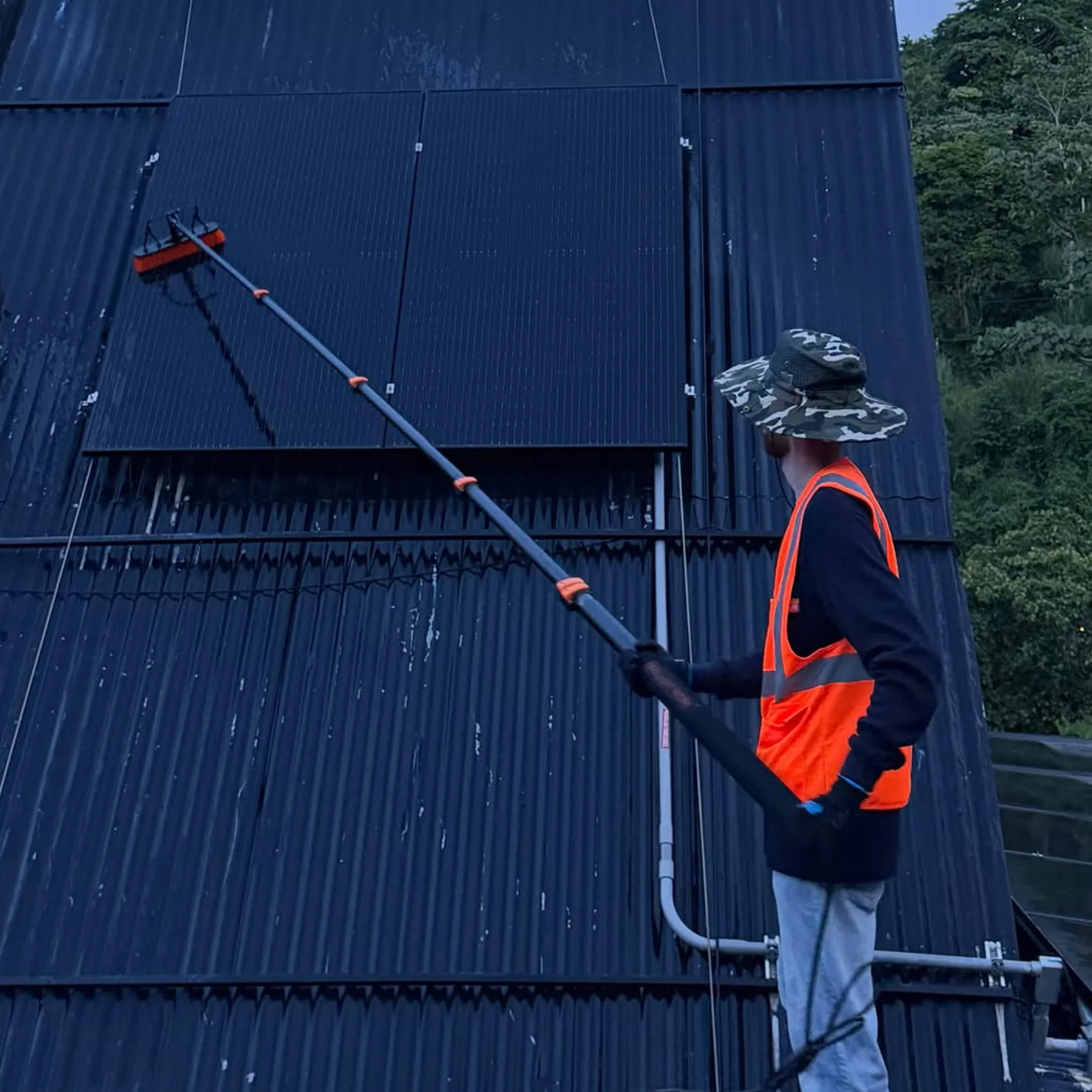
Put an older piece of equipment through years of heat, rain, dust, wildlife and the like and it will show it. professional solar system servicing can help identify issues. Reliability over the years is no guarantee against insulation damage, loose wiring, water ingress or UV degradation and grounding issues.
Keep in mind that as long as there is light on them, the panels will put out electricity, even with the house supply turned off. That alone makes solar electrical safety more of an undertaking than tending to your average appliance.
What Age Conceals
You will find more than just dirt when doing solar panel maintenance in Australia. A technician is after signs of hot spots, corrosion, a frame or glass that has cracked, cable wear and tear, and whether the mounting hardware has shifted. Bird or possum are known to cause their share of damage too.
Then there is thermal shock to materials that go from hot in the day to cold by night. In the Top End a wet season storm might bring to light where water is getting in; in the south, wind and cold will lay bare a brittle seal or a fitting gone loose. Salt and bush dust only hasten the process.
Make Note of The Installation Date
Pull out the warranty information, inverter manual, installation certificate and original invoice. Jot down the model of inverter and battery (should there be one), when it was put in, the last time it was seen to and any recent errors.
One cannot say there is an age at which every solar system must be replaced. The inverter’s longevity is a matter of how well it has been maintained, the quality of the make, ventilation and so on. Let age be an occasion for some enquiry rather than a given that the system is unsafe.
| Area To Check | What A Homeowner May Notice | When To Escalate |
|---|---|---|
| Rooftop panels | Cracks, browning, heavy soiling or visible cable damage | Get a professional in; not a job for climbing on the roof |
| Rooftop DC isolator | A loose cover, melting, scorching or discolouration | Stay away and put in a call to a licensed electrician |
| Inverter | Odd noises, smells, excessive heat, shutdowns or error messages | Put the system down per the manual and have it serviced |
| Battery | Swelling, odour, leakage or alarms | Keep people at a distance and get advice in short order |
| Monitoring | Missing data or production falling for no apparent reason | Compare it with usage and weather before having diagnostics done |
Be Wary of Isolator Fires
An older system’s rooftop DC isolator is perhaps the most critical item to have looked at. Its job is to isolate the direct-current from the panels but if it is of poor quality, has been poorly installed or the elements have got to it, it is a fire hazard.
People are apt to be lulled by the size of the device and think nothing of it. But it is no ordinary light switch and to open or test it untrained is to put oneself in front of live DC.
External Indicators
Stand on the ground and see if the isolator is warped, discoloured or otherwise in a sorry state. Repeated shutdowns, smoke, a burnt-plastic odour or scorching are all calls for immediate action.
Under no circumstances touch the thing, try a reset or douse it with water. And do not go up on the roof for a better view, especially in high winds or after a rain; a roof can be rough as guts without notice.
On Replacement
Replacing a DC isolator is electrical work. You want a qualified solar technician or licensed electrician to put in compatible equipment and test it as the rules dictate. AS/NZS 5033 is the standard in Australia and New Zealand for photovoltaic array safety. A homeowner need not pore over the clauses but ought to be sure the person doing the repair is up to date with what is required.
And before any repairs are made, check for any outstanding recalls on solar batteries, inverters and other electrical apparatus in Australia. The nature of the hazard will dictate whether a recall means an immediate shutdown, a software update, an inspection or the need to put in a repair or replacement.
Take down the installer’s particulars as well as the installation date, serial and model numbers; do not make do with just the product name. One is ill advised to guess at the instructions for a given product when a look alike may have entirely different ones.
Check Recalls Before Repairs
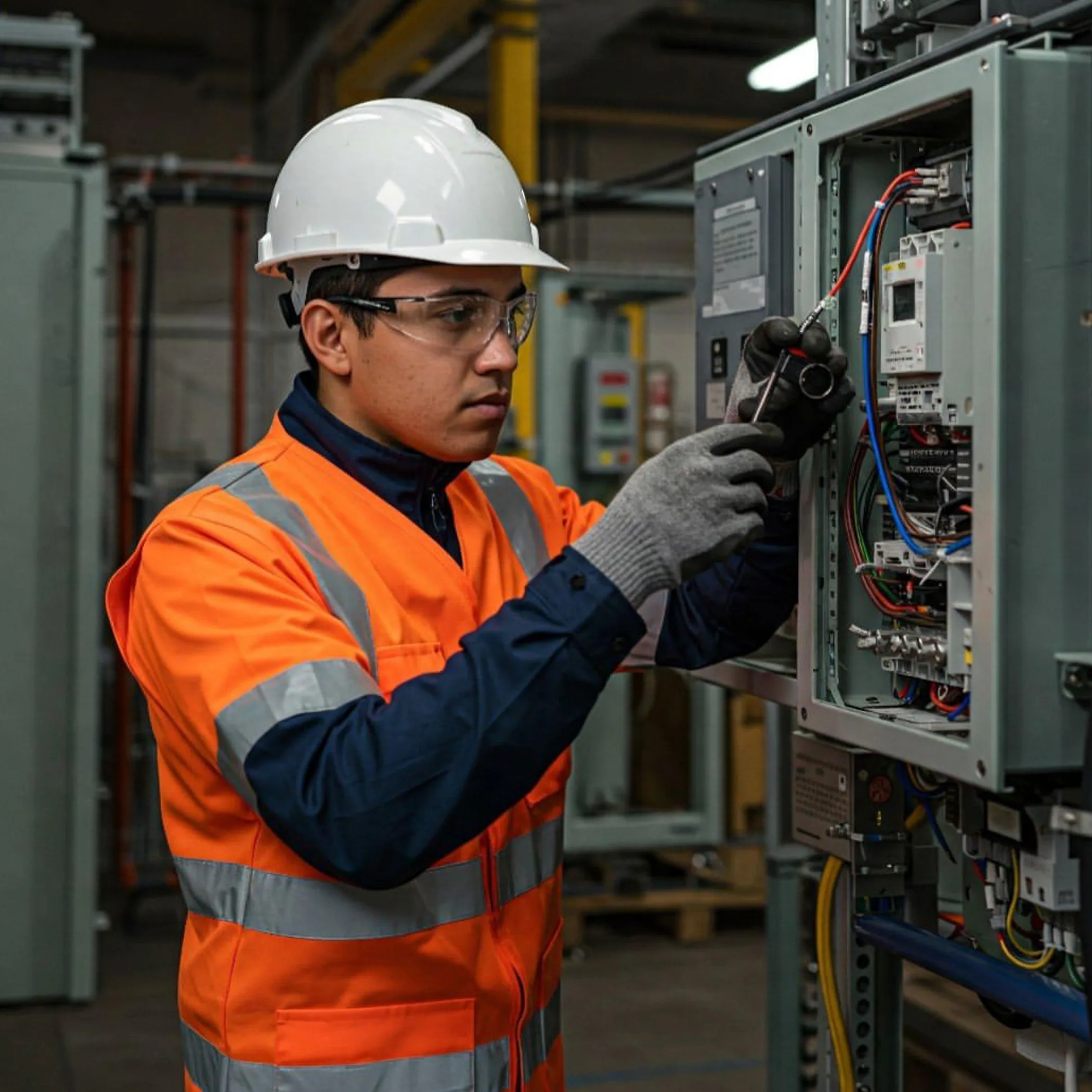
And before any repairs are made, check for any outstanding recalls on solar batteries, inverters and other electrical apparatus in Australia. The nature of the hazard will dictate whether a recall means an immediate shutdown, a software update, an inspection or the need to put in a repair or replacement.
Official Recall Information
Consult the ACCC (Australian Competition and Consumer Commission) for their notices and run a search on the Product Safety Australia recalls database. Should you need to get in touch with the manufacturer or installer, use the contact information in the notice rather than some unverified ad.
Product safety data is subject to change so before a homeowner puts any affected equipment in operation, or goes about isolating or mending it, the latest notice should be verified. It is good practice to have a printed copy or screenshot of the pertinent instructions on hand for the electrician.
Acting on Battery Alarms
Any sign of a battery running hot, swelling up, hissing, leaking or giving off an odd smell, or if the display is changing in a hurry, warrants a serious response. Keep pets and people at a distance from the battery and do not handle it. In the event of fire, smoke or any other imminent danger, call emergency services.
One should never obstruct the ventilation or put anything combustible near a battery, let alone cover its enclosure. A battery room is no place for cardboard boxes, tins of paint or the camping paraphernalia that has a way of proliferating in an Australian garage.
Inverter Warning Signs
The solar inverter will tell you what is going on by its indicator lights, the data from your solar monitor and messages on the display. An alert here and there can be easily explained but if faults are persistent or there is physical damage and unexplained loss of production, it calls for a professional.
Proper ventilation is part of inverter safety. Do not hose it down, put things up against it or paint over the vents. And if the inverter is making strange noises, shutting down on a regular basis, feels too warm or has a burnt odour to it, do not put it down to a bit of software being difficult.
A Closer Look at Output
Solar monitoring will show patterns if one takes the time to compare present day production with household demand and what the season and weather would suggest. A low reading is not in itself evidence of a failed piece of equipment when there could be cloud cover, shading or an interruption from the grid.
What is of more concern is a sudden drop to nothing on a fine day or a consistent downward trend. Put down the date, the error shown, the state of the weather and any power interruptions in the house prior to making a service call.
Ground-Level Inspection
From a safe vantage point, one can check what is accessible for loose covers, corrosion, water pooling, pest activity, damaged conduit or exposed cabling. Also look to see if the AC isolator or wall inverter has taken a knock. Leave the voltage testing and removal of covers to a pro; a phone torch and a hopeful attitude are not adequate for the kind of electrical diagnostics, thermal imaging and earth continuity checks an inspection entails.
Inspect Safely From Ground
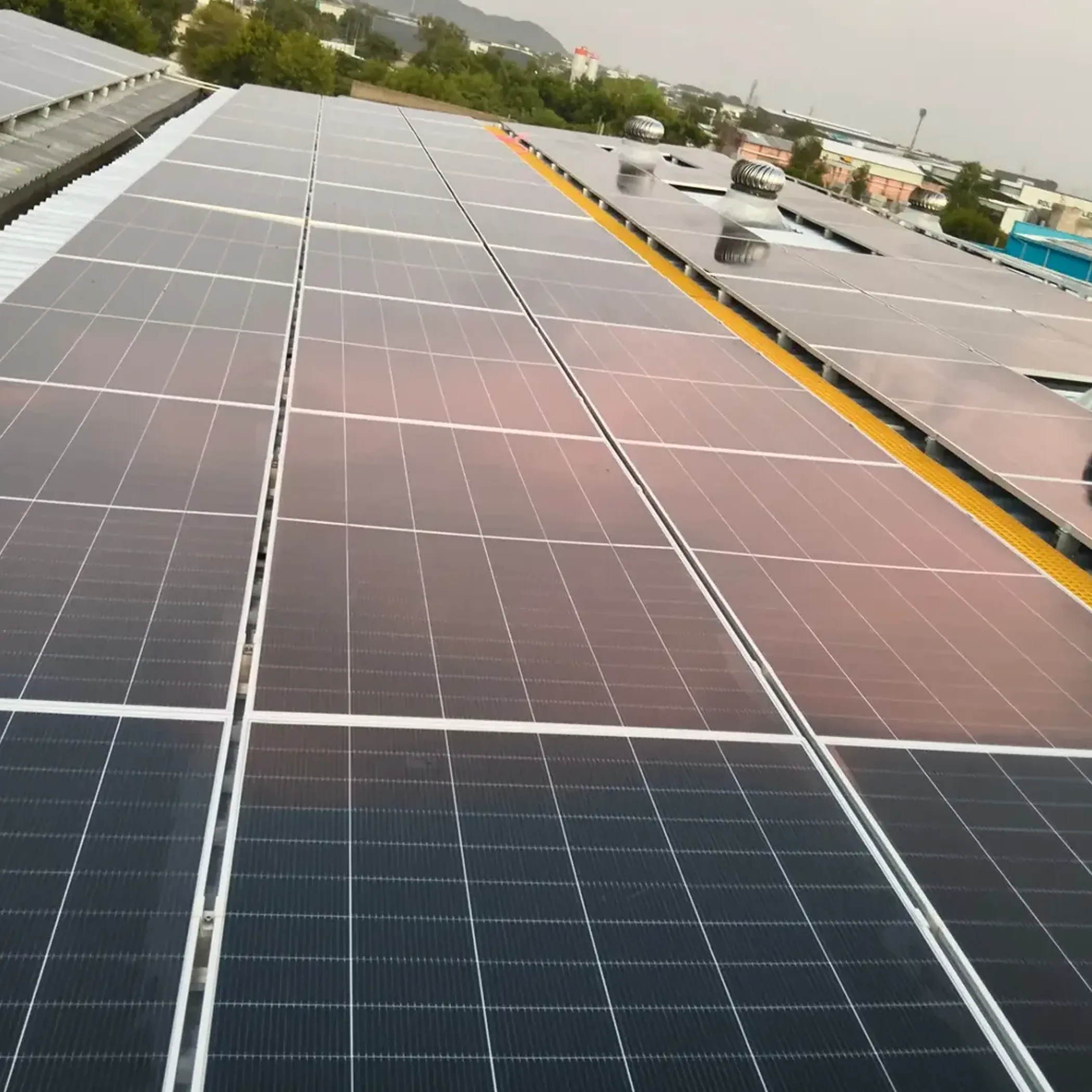
Do this safely from the ground. On a clear day, use binoculars to view things from different angles. Too often people concentrate on the panel faces and miss the warning signs that the cables, mounting points, inverter ventilation or surrounding vegetation might give.
Be on the lookout for sagging cables, debris, scorching or melting around the equipment and any unusual smells. Note any system shutdowns or output anomalies in the monitoring data.
- Look for cracked or damaged panels, displaced equipment, sagging cables and heavy debris.
- Be on the lookout for scorching, melting, corrosion, water stains, pest damage or unusual smells around accessible equipment.
- Review monitoring data and note repeated shutdowns, error messages or unexplained output changes.
- Keep vegetation, stored goods and combustible material away from inverters, batteries and switchboards.
- Have the model and serial numbers to hand before ringing the installer or electrician.
Suitable Conditions
Rain, wind, extreme heat and storms are no time for roof work. The same applies after a bushfire. In the north from November through April cyclone warnings mean one must be more circumspect about rooftop access and any objects that are not secured. Smoke and ash from a bushfire can make an inspection tricky.
When booking a service in the Pilbara, Top End, a dusty rural area or by the coast, put the local conditions on the record. Salt, dust, wildlife and the like will factor into the technician’s opinion and could alter the maintenance schedule.
The Problem with DIY
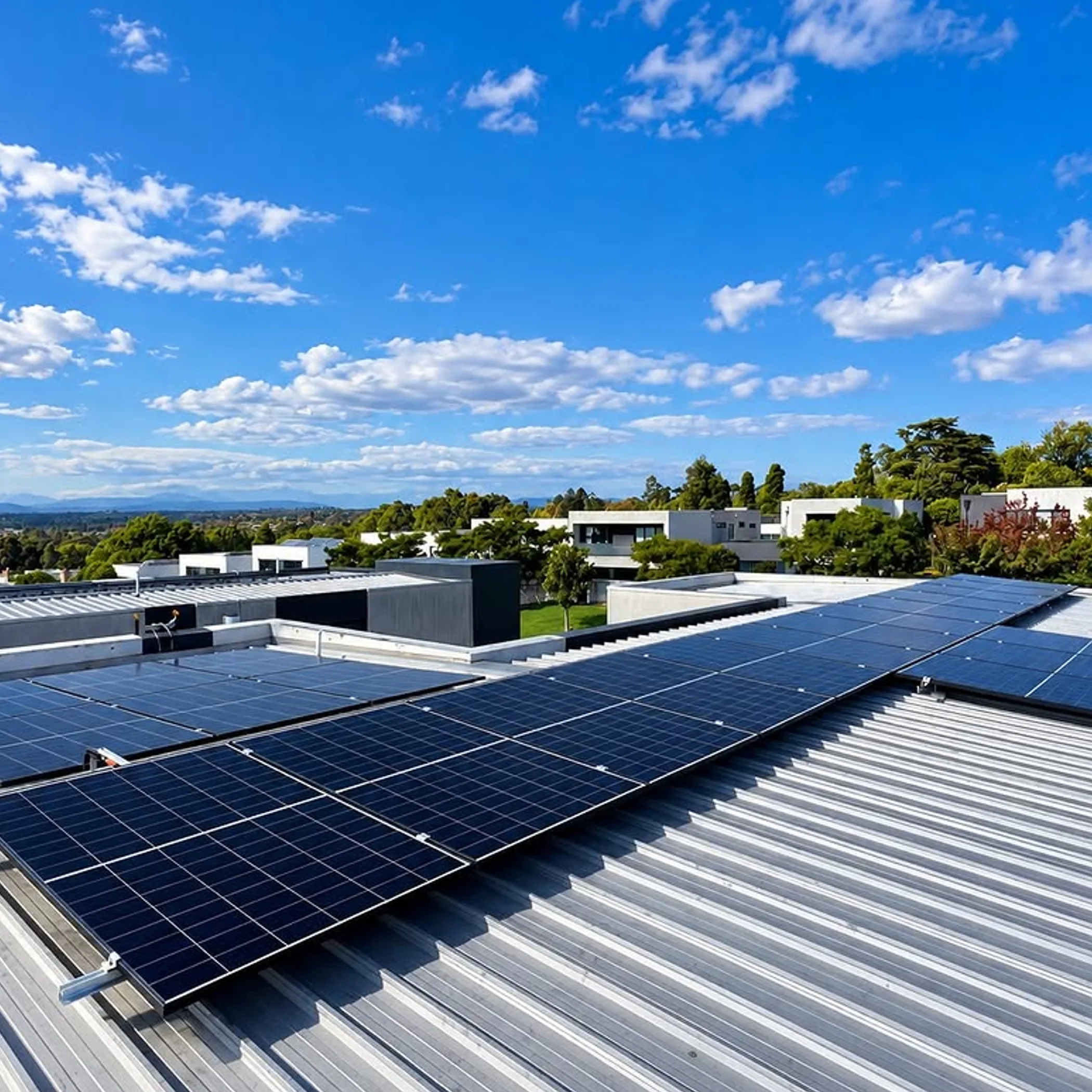
There is a reason to leave solar electrical work to the professionals: panels will produce DC power in the daylight and batteries hold a lot of stored energy. You cannot assume a solar installation is safe just because a circuit in the house has been switched off.
It is for a licensed electrician or a solar professional with the right qualifications to open enclosures, put in new isolators, test live circuits or make changes to the system. Having bought the panels does not make one technically or legally qualified to install them.
DIY Pitfalls
There are a number of errors that are all too common: the wrong sequence when switching devices, substandard cable joins, parts that will not work as replacements, or the neutralising of a protective device. One is apt to put a block in the way of ventilation or put no stock in an error message.
Then there is the matter of taking a pressure washer to the panels or isolators; should water find its way into a housing with damage it can compound a fault. With solar panel maintenance 2026 one would do well to put safe access and proper testing ahead of any cosmetic cleaning.
Who Should Keep Off The Roof
Rooftop equipment is best left alone by children, visitors and tenants who do not have the requisite knowledge of the equipment, as well as those at unease with heights. Do not let a panel being in plain sight of a window entice someone with limited mobility to make an attempt at roof access.
In the case of strata properties, landlords and tenants, put in a report to the strata or property manager and have it in writing. A photo from the ground and a good description will suffice, but if there is a strong burning odour, fire or smoke, do not put off calling for urgent assistance.
Service Intervals
The question is how frequently to service an older system. There is no hard and fast rule; it is a function of where you are, what type of equipment is in place, the age of it, exposure to storms and if a battery is part of the setup. If there are warning signs, it wants your attention now, not when the annual reminder comes round.
Put in for a baseline safety check on an older installation for which there is no recent history of inspection. That will give the technician some evidence to go on in setting an interval rather than following the calendar.
After An Event
Following a hail or severe storm, flooding, roof work, an electrical surge or a marked drop in performance an inspection is in order. So too if the home has changed hands and the provenance of the equipment is a mystery.
From the ground you may not see the damage done by a storm; the frames or cables could be compromised while the panels are still putting out power. Older systems have a way of delivering such an unpleasant surprise.
Booking A Professional
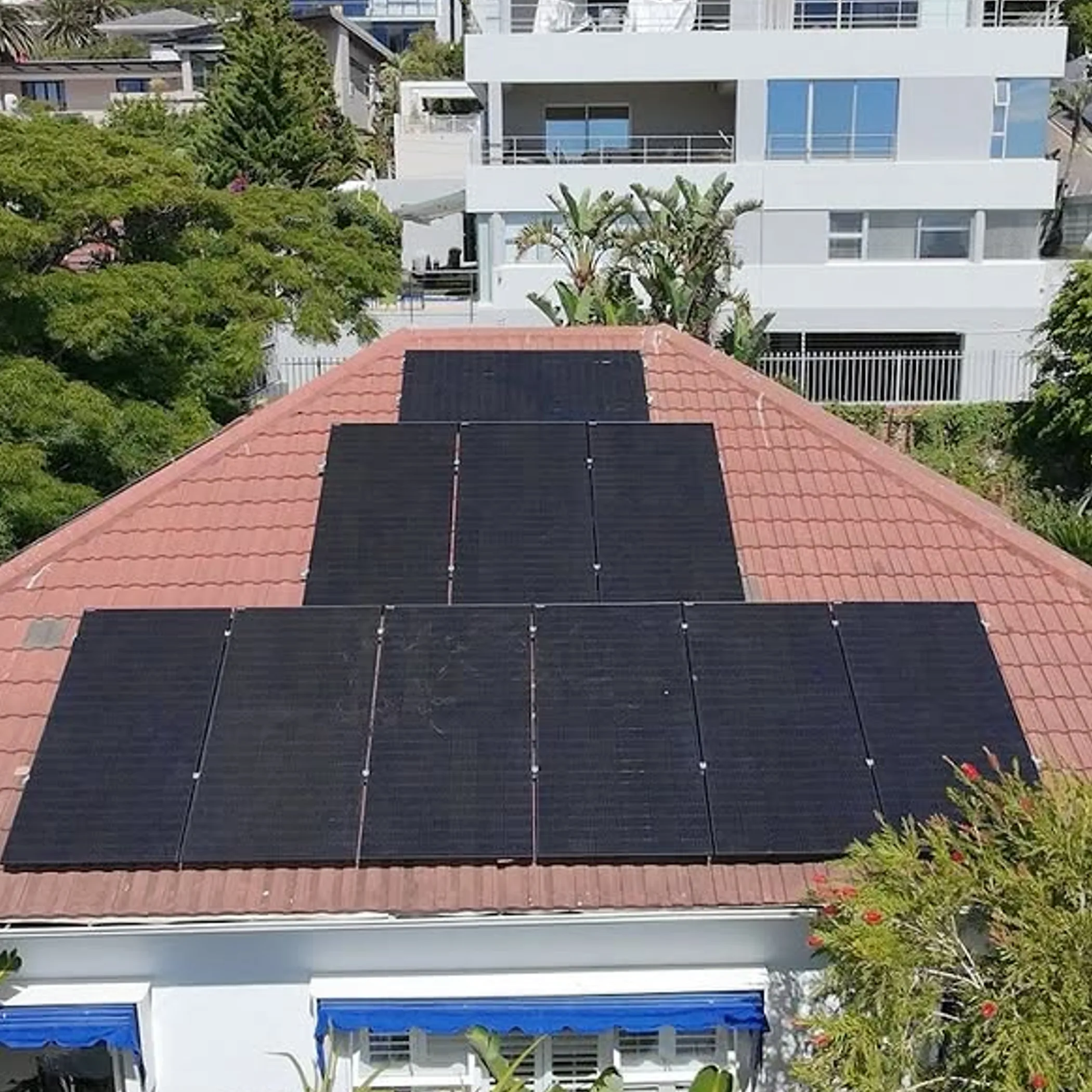
When the equipment is showing its age or there is a change in output and one cannot vouch for the quality of past work, professional servicing is called for. A competent technician will put the findings in plain terms and tell an ordinary bit of wear from a hazard.
Make sure the electrician is licensed and, for any solar work, Clean Energy Council accredited. Insist on a written report covering test results, defects and what needs to be replaced.
Urgent Matters
Any of the following demands prompt action: arcing, exposed conductors, overheating of the battery, repeated shutdowns, water in the equipment, a damaged rooftop isolator, or melted plastic. If there is a burning smell or active fire, get out and ring emergency services.
There is no point in waiting on a quote for a solar upgrade Australia when a repair is a basic safety requirement; deal with the hazard first.
Evidence To Hand
An inspection of some worth will appraise the state of the system, not just put in for a wholesale replacement. Find out if the problem lies with the inverter, the AC or DC isolators, cabling, the switchboard, the mounting or the panels themselves.
Costs will be dictated by the roof, the need for more than one trade, travel and so on. Before giving the nod to anything non-urgent, ask for a quote in AUD and confirm if call-out and follow-up fees are part of it.
Some FAQs
Homeowners of older systems have these queries. The answers below are straightforward, though a qualified assessment is needed for a site-specific fault.
What makes for the best solar monitoring?
One that gives a true account of production and historical performance and reports on the battery and any faults, and is backed by the manufacturer. A flashy dashboard is no substitute for reliability and clear alerts. It is not a stand in for an electrical inspection and will not spot every loose connection or insulation fault.
Is free electricity to be had in NSW?
Not really. While your solar generation will mean less is drawn from the grid, the owner is still out of pocket for installation, finance, network and supply costs and repairs. Exported energy might attract a feed-in tariff depending on the plan. Put in a call to the retailer and network provider to see what is on offer.
Name five disadvantages of solar.
You have the initial outlay, the fact that output is variable and nil at night, the upkeep and the likelihood of having to replace components in an old system. Batteries bring their own cost and safety issues. Then there is shading, the weather and the condition of the roof to consider.
Can I put in my own panels?
You can buy them, but that does not make you authorised to install or modify a solar electrical system. Leave the electrical side to a licensed electrician. DIY is a recipe for compliance, insurance and warranty headaches, to say nothing of the risk of fire or shock.
Is it time to replace an older system?
Not always. It may only want a new isolator, an inverter, better monitoring or a connection mended. A professional will be able to tell if a fault is repairable or if an upgrade is the sensible thing to do on account of safety or obsolescence.
Safety First
For the Australian homeowner, managing the safety of an older system is a matter of keeping accurate records, observing the equipment and getting help in a timely fashion. Look out for recalls, clear the area around the equipment and regard any heat, smoke or shutdown as an urgent warning.
It is simple enough: do not tinker with the electrics, have a look from the ground and put in for qualified servicing if in any doubt. Better to be cautious and save yourself the expense of finding a small box on the roof has turned into the most costly mozzie in the house.