The rules for crocodile safety in a Kakadu waterhole are straightforward: heed all signage, follow what the park rangers say, confine yourself to where you are meant to swim and do not be taken in by a deceptively still waterhole. After all, this is the Top End of Australia, a wild part of the country, not your pool at home with a view.
For those making a trip to the Northern Territory, a swim in Kakadu National Park will be something to remember. Yet one has to be mindful of the seasons, tides, rainfall, animal activity and any changes to access. Evelyn Marlowe puts forward a guide to Kakadu swimming holes, how to judge the safety of a waterhole, the things that trip up visitors and the proper course of action should a crocodile put in an appearance.
Official Advice First
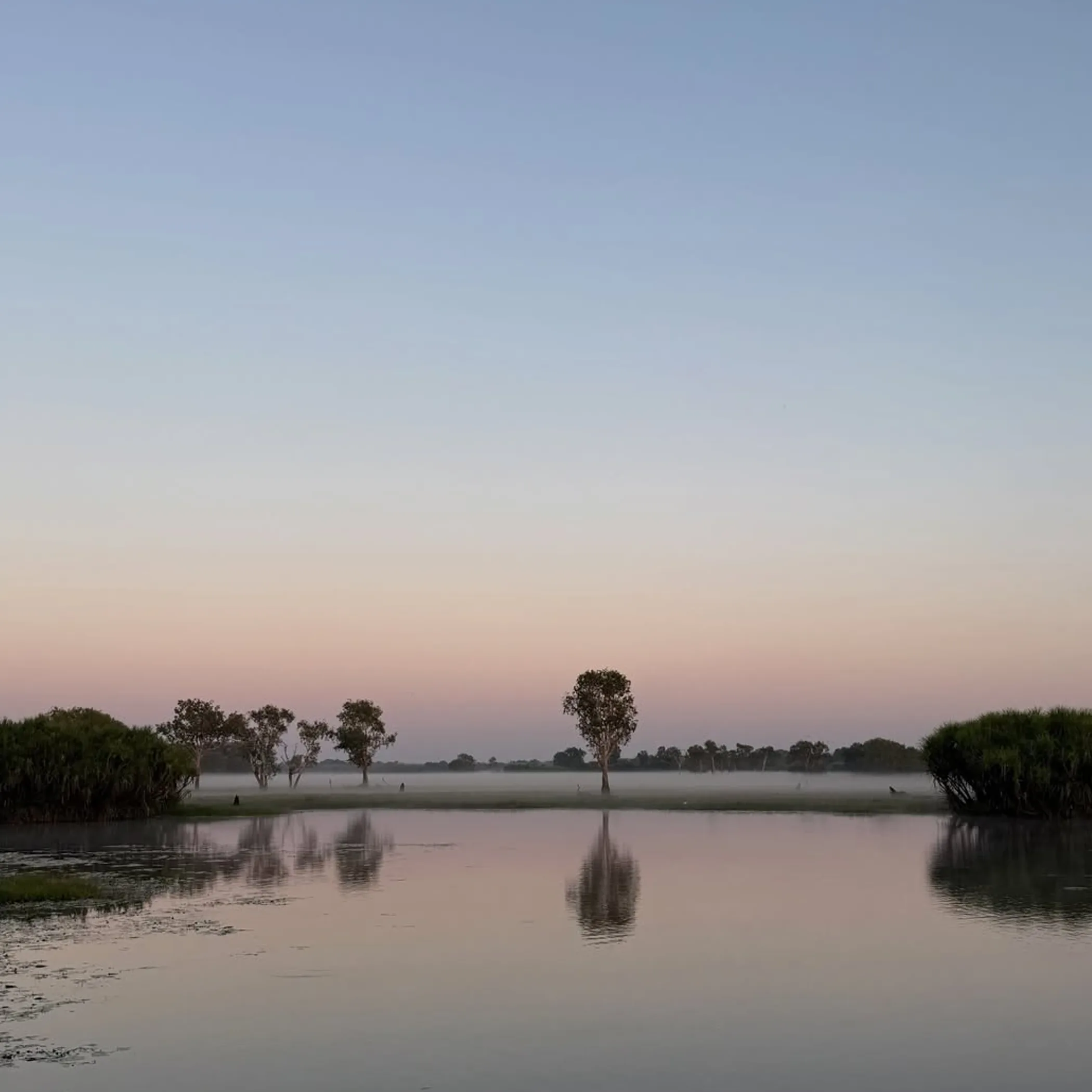
You will make the wiser choice before you have even put the car away. A spot you may know well can be closed off when the situation dictates, so consult local notices and any information on access prior to heading for the water.
For the latest on closures and visitor planning, refer to Parks Australia’s official Kakadu material. Do not put much stock in word-of-mouth or an old travel post; what is written on the sign by the water takes precedence.
Heed the Warnings
Take no notice of the idea that Kakadu’s crocodile warnings are for show. They could mean there is a temporary sighting, the area is off limits or it is simply not a place for swimming. When in doubt of the message, put a question to a ranger.
An unoccupied swimming area does not give you leave to enter; others may have been put off by a rising water level or an animal they have seen. The bush does not need to announce itself.
Access Is Not Guaranteed
A track might be blocked by a fallen tree or road damage from the rain, or you could find yourself on a muddy road in the wet season. Make sure you have a vehicle for it. Put some thought into the way back as well.
With reception being what it is on a mobile phone, and rough ground or rock underfoot making a short distance on paper seem like more, take a sensible emergency plan, food and sun protection with you.
Tell Your Crocodiles Apart
It is useful to know the distinction between a saltwater crocodile and a freshwater crocodile but do not let it be an excuse to close the distance. They are untamed animals and neither will offer a courtesy warning before putting in an appearance in the shallows.
Saltwater (or estuarine) crocodiles are found in coastal systems, rivers and billabongs; freshwater ones more often in inland waterways. But the type of water is no guarantee of safety.
Freshwater Is No Shield
Freshwater crocodiles are typically not as large as their saltwater counterparts, but it would be unwise to think you can come to terms with them. They are quick to react if you startle them and will bite.
In Kakadu the species is of less consequence than whether the water is sanctioned for swimming. All too often “freshwater” is mistaken for “crocodile free”.
Then There Are the Saltwater
Do not think that because you are some distance from the coast and the water is clear you are in the clear. Flooding will see saltwater crocodiles make their way to what seems an unremarkable inland spot.
They could be out of sight, under cover or submerged. If the official line is no swimming, then don’t.
Pick Where You Swim
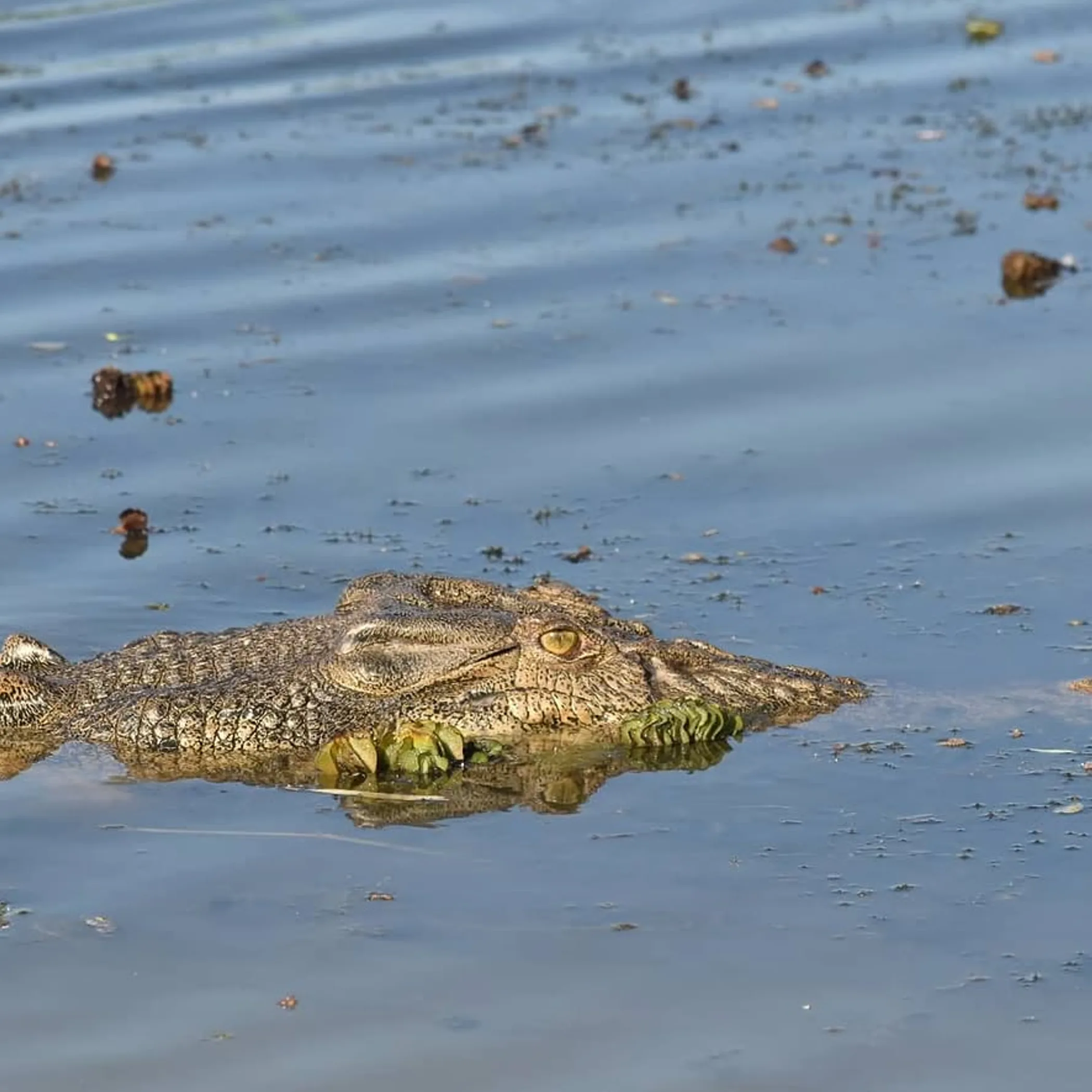
You will not find a list that renders every Kakadu waterhole safe. Go with a designated area that is open and has the backing of current ranger advice.
Some pools and creeks are fine when conditions are right, others are not, being too close to crocodile country or treacherous after a downpour.
A Matter of Risk
Resist the urge to just go with the rest and do your own check of the premises. See where the barriers and notices are, and where people are supposed to get in and out of the water. Make sure the weather and water levels are in order and that you have a route back. Read the seasonal and water-quality warnings and keep to the marked area, well clear of any deep edges or vegetation at the creek mouth. Should a warning come to hand or the situation alter, make an immediate exit.
- Make sure the area is open and approved for swimming.
- Read the seasonal, water-quality and crocodile warnings.
- Keep to the marked area and stay well clear of deep edges, vegetation and creek mouths.
- Check the weather, water levels and your route back.
- Leave immediately if a warning appears or the situation changes.
For locating the car park and your way back along the track a map is handy, but do not put stock in it for reassurance; it will not vouch for there being no animals about. Rely on it for logistics. A blue shape on your navigation app does not preclude a crocodile from being below it.
The Spot And Your Group
Those on their own, families or swimmers of limited experience would be well advised to pick a spot that has unambiguous boundaries, easy exits and good access. Under no circumstances should you put any of your party in a waterhole if he or she is fatigued, has a heat sensitive medical condition, cannot swim with confidence or is having trouble with the walk.
Then there are walks and rocky approaches that are not to be had by those with little bushwalking background, poor balance or restricted mobility. Put on some solid footwear for the tracks, have water to hand and factor in time for the heat and a rest or two. What was a workable timetable in the morning can disintegrate by afternoon.
Croc-Wise Swimming
Where you are is only half of safety in Kakadu, how you conduct yourself is the other. Even in a sanctioned area, keep the group close at hand and be on the alert. There is no need to make a noisy game of chasey out of a leisurely dip next to the bush.
Supervise children in an active fashion. No one is to be left to his own devices in the water or to wade past the markers to get a photo of an animal. Food and bait of any kind, including fish, should be kept off the water’s edge to avoid conditioning wildlife in a hazardous way.
Off The Edge
Refrain from perching on an unapproved edge with your feet over the side, or kneeling by a creek to peer through the undergrowth. In the shade or where the water is muddy and covered, a crocodile is hard to spot.
When photographing, a zoom lens is to be preferred to a crouch near the banks. As for dogs and the like, they are to be kept from the waterways unless the rules of the locality say otherwise, and certainly not into waters with a croc warning.
Weather And Heat
A deceptively benign sky can belie the punishing heat of the Top End. Make use of the shade and drink in; a swim is no replacement for being properly hydrated.
Storms call for heeding the park and getting out of the open. One can be in quick danger from lightning, a flash flood or rocks made treacherous by current. Do not be surprised if a cyclone or wet season weather puts a stop to road or waterhole access without much notice.
In The Presence Of A Crocodile
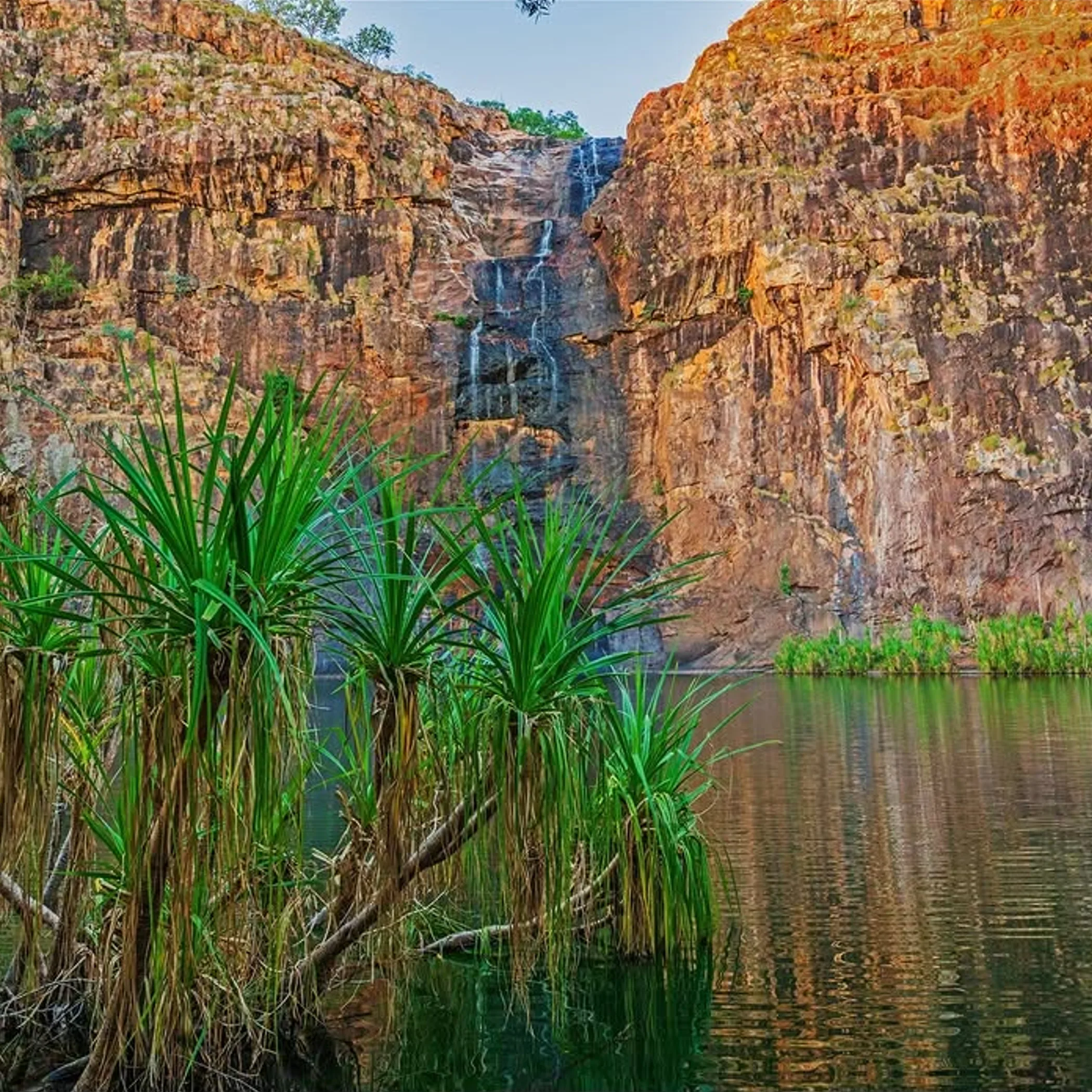
Do not go to it, feed it or stand around for a better shot. Get clear of the water and have the rest of your group do likewise.
It is best to report and put distance between you and the animal with composure. Do not be taken in by the fact that it is small or seems to have no interest; a motionless crocodile may be observing you and one that is out of sight has not gone.
No Risks
A crocodile in the vicinity means you are out of the water, whether the encounter is fleeting or the beast is some distance off. Head inland, see that other visitors are not in the area and put in a call to the authorities as required.
There is no going back to see if it has moved. You do not want to be in its path or between it and the bank. Jot down the size and direction of travel from where you are safe.
An Attack
Get hold of emergency services and do as the operator says. Sound the alarm and put others away from the water. First aid is to be rendered when conditions permit.
Entering the water to be of assistance is not the answer; making a second casualty is an outcome one does not put on a holiday plan. In a remote part of the park the response could be slow, so prevention is key.
Seasonal Planning
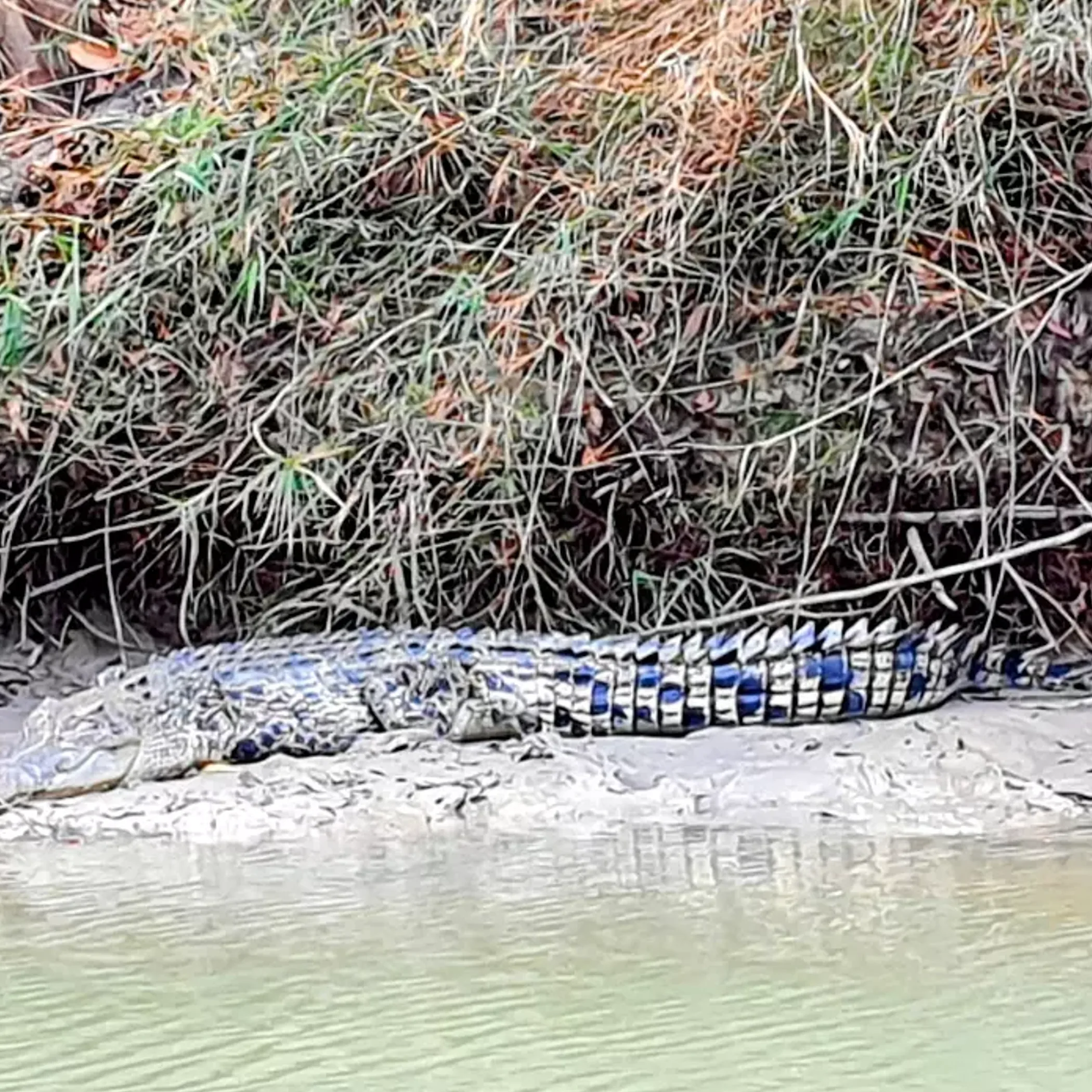
The dry and wet seasons are more than a matter of temperature. They dictate the state of the roads and walking, what is permitted for swimming, the movement of animals and how fast a quiet place can turn unsafe.
Use such information to plan but do not take it as gospel. The dry season is not an all-clear and the wet is not just the same outing with added humidity.
Access in the Wet
There is no telling when heavy rain will put an end to a road or creek crossing and flood a track. The water can come up in a hurry and visibility will suffer. An area for swimming may be shut even if things are calm back at your accommodation.
A thunderstorm is liable to put up some sudden runoff, make the rocks treacherous and bring down branches. Should a park notice put an area off limits, then you will have to alter your plans. Resist the urge to drive past a barrier on the basis that the closure seems overdone because there are other travellers in the vicinity.
Crowds in the Dry Season
Logistics of travel are generally simpler in the dry season, yet one can find the better swimming spots well populated. There is a danger of being lulled into a false sense of security by the crowd, especially if they are not heeding the signs and everyone is following suit.
Get there with time to spare so as not to be in a rush to assess conditions, but do not think an early start gives licence to disregard warnings. In the more frequented areas, put valuables where they are secure, see that children know where to be and pick a spot for the group to meet.
A Quick Planning Table
For any visit the table below is a useful guide to making decisions. It is not a substitute for what the official signage or closure notices say, nor does it vouch for the safety of a given waterhole.
| Situation | Best course of action | The reason |
|---|---|---|
| Official swimming notice in force | Confine yourself to the marked area | To avoid unnecessary exposure within managed boundaries |
| Crocodile warning posted | Keep out of the water | Such warnings supersede how things look or what the crowd is doing |
| Flooding or hard rain in recent times | Make sure of access and any closures before you go | Water levels, crossings and roads are apt to change |
| Creek edge or pool with no markings | Go to an approved site instead | You may be putting yourself in crocodile country |
| One of the party is unwell or fatigued | Forgo the swim and head back | Remote access and rough tracks under the heat are a physical trial |
Setting Your Expectations
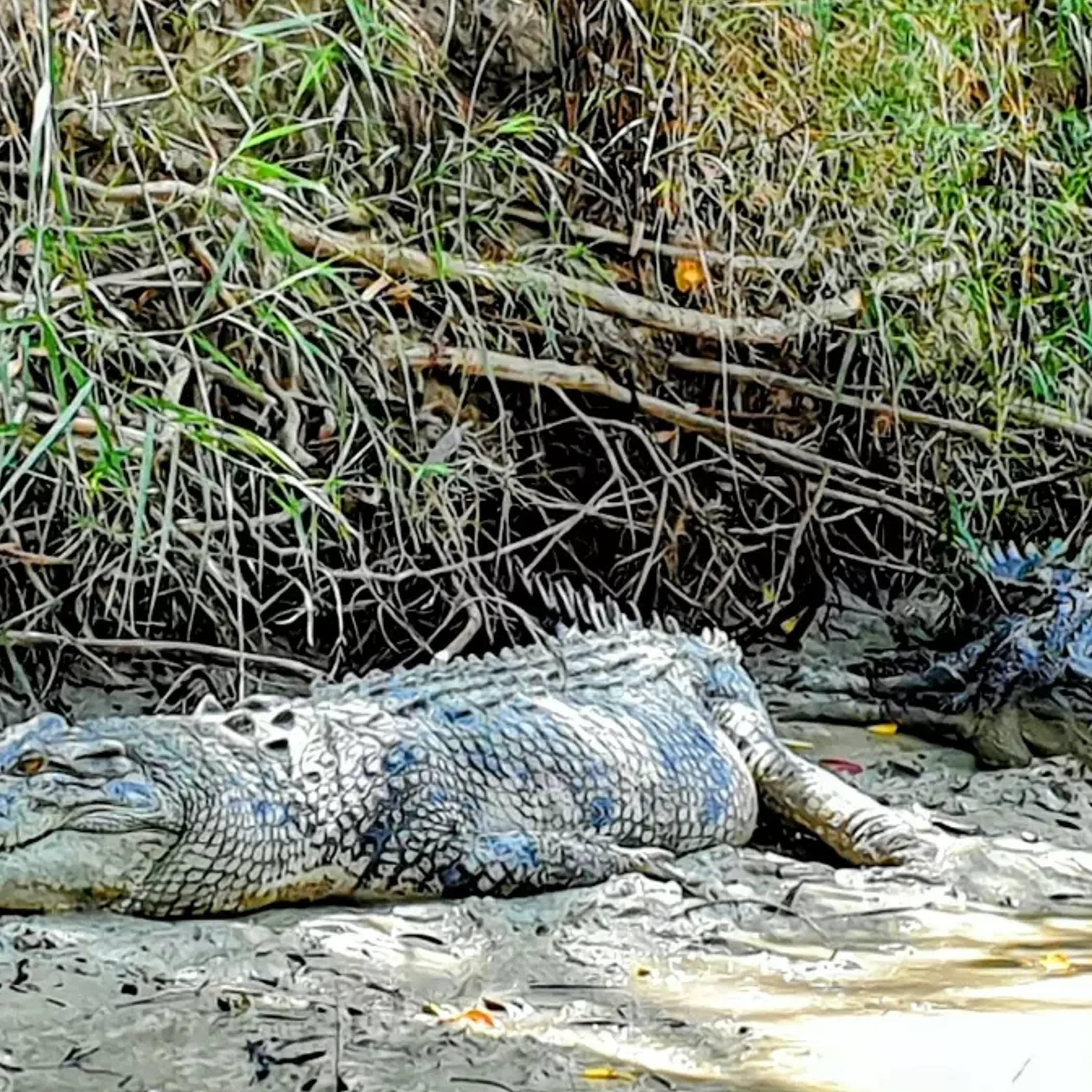
First timers are often taken aback when reality does not match expectation. They plan for a short drive, a walk and a quick dip. In practice, between the road, the heat, parking and the need for safety checks and photographs, it is a good part of the day.
Then there are transport costs to consider. A guided tour might run you to more than a self-drive with its hire car, fuel and accommodation, but you get local knowledge and conveyance. Before booking check the prices for yourself; there is no one figure that holds true for all seasons or travellers.
When You Have But a Day
Make your return route and choice of an approved swimming area realistic and give precedence to the latest safety information. Do not try to fit in several far flung places and leave nothing for a closure or the heat to slow you down.
Have your breakfast or lunch and water packed along with sun protection, a rubbish bag and good shoes. Once you are well out in the bush convenience is at a premium so sort out your fuel and food from the service areas before you depart.
Those Who Should Not Be Swimming
If there is a crocodile warning or the place is unmarked and closed, do not swim. Nor should one who is alone, under the influence of alcohol or exhaustion, in poor health or without confidence in the water.
A visitor disinclined to the heat or rough going might opt for a day of sightseeing with a guide and stay out of the water. No loss at all. Better to put wildlife safety ahead of a picture that will not rank in the top ten of your camera roll.
Some Questions Asked
Is it safe to put in a swim in a Kakadu waterhole?
Under the park’s guidance some designated areas are open for it, but do not assume any natural waterway is safe of its own accord. On the day of your visit take note of the official and local signage, observe any closures and remain in the area provided for swimming.
What of the waterholes in Kakadu?
Your safest bet is an area that has been officially designated and is open and signed. Do not put stock in another visitor’s assurance or an old blog post or something on social media; conditions are subject to change.
Are there crocodiles in the swimming holes?
They can be found in the waterways of Kakadu, even in what appear to be freshwater spots. While saltwater and freshwater crocs have their usual haunts, knowing the species is no substitute for proper behaviour and heeding warnings.
And if you come across one?
Get out of the water and put some distance between you and the bank, see that others do likewise and put in a report to park staff or emergency services as the case may be. Do not go close to feed it or photograph it or to see if it has made off.
Wet season swimming in Kakadu?
You may find it restricted or not on in some places due to the risk of storms or crocodiles, flooding and seasonal closures. Check the notices and be prepared to put your planned swim aside.
The rules on crocodile safety?
Swim only where you are meant to, stay clear of creek mouths and unmarked banks, put an eye on the children and never feed the wildlife. After a sighting, put some space between you and it. If you have any doubts, stay out.
Safety should be part of the itinerary
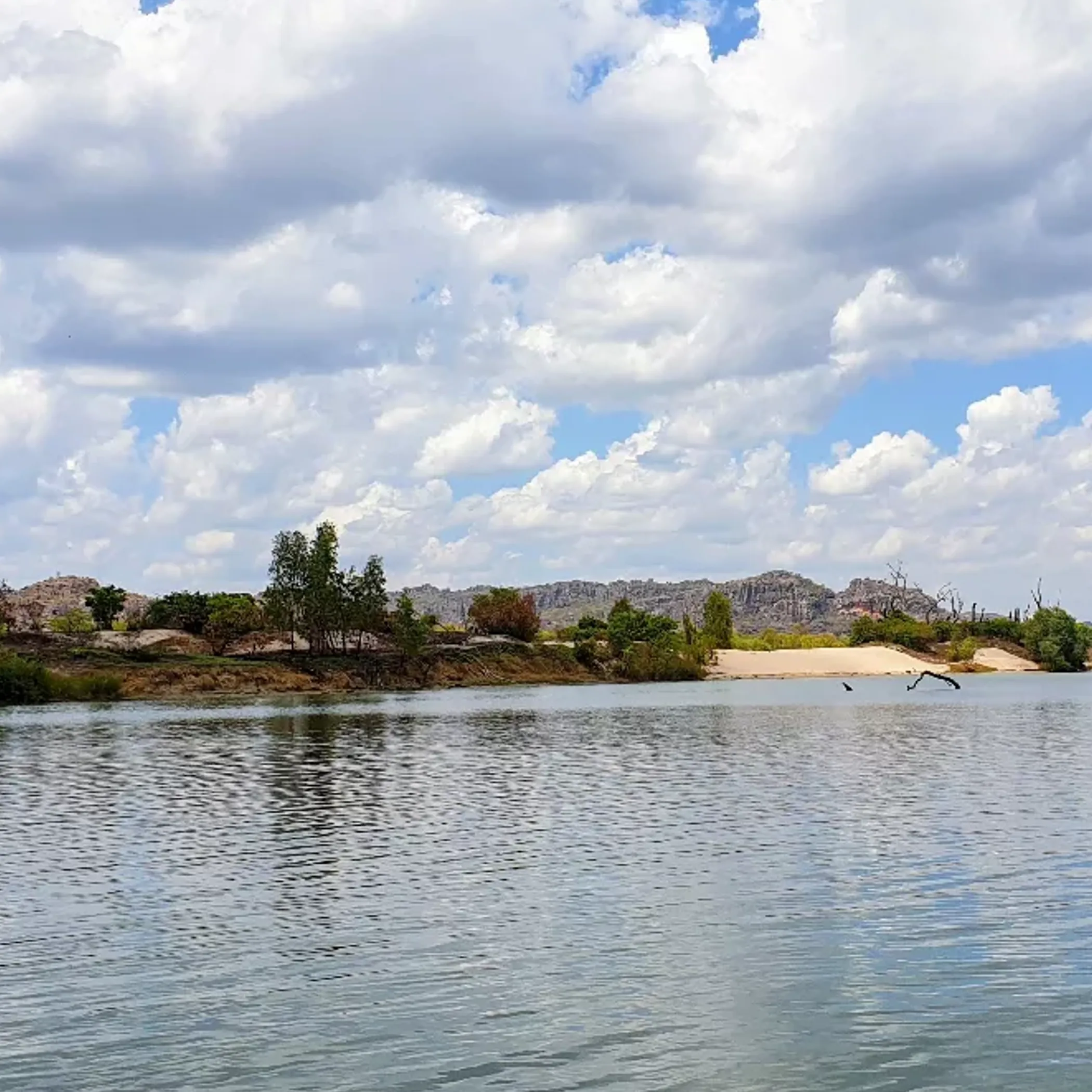
There is a certain dullness to a sound plan for a Kakadu waterhole: you read the sign, allow for extra time, have enough water and turn about if the conditions are not right. That way you can enjoy the Top End without making a pretence that the risks are just scenery.
Parks Australia have their guidance for a reason and Kakadu will reward those who follow it and show respect for the seasonal closures. Let the official word be your guide as to where to swim. Then you can put in a safe day’s work and go back with a story to tell of the landscape, muddy shoes and a full bottle, rather than have an incident with wildlife that could have been put to rights.