Victoria Drives: The Best of the Seasons
The answer as to which is the best season for a scenic drive in Victoria is dictated by the kind of landscape you are after. There are wildflowers and waterfalls in spring; summer is when one will find the coastal views and the long days; autumn has its vineyards and fine foliage; and the prepared traveller is amply rewarded in winter with some misty mountains and regional roads that are not so busy.
Then there are the likes of autumn and spring which for the majority present a good mix of scenery, driving conditions and agreeable weather. A beach trip is best made in summer, or if cold mornings and less daylight do not put you off, a short foray into the region in winter. Evelyn Marlowe’s guide puts the Victoria road trip seasons in perspective, covering everything from the routes and costs to safety and the sort of errors people make.
A Seasonal Answer For Victoria
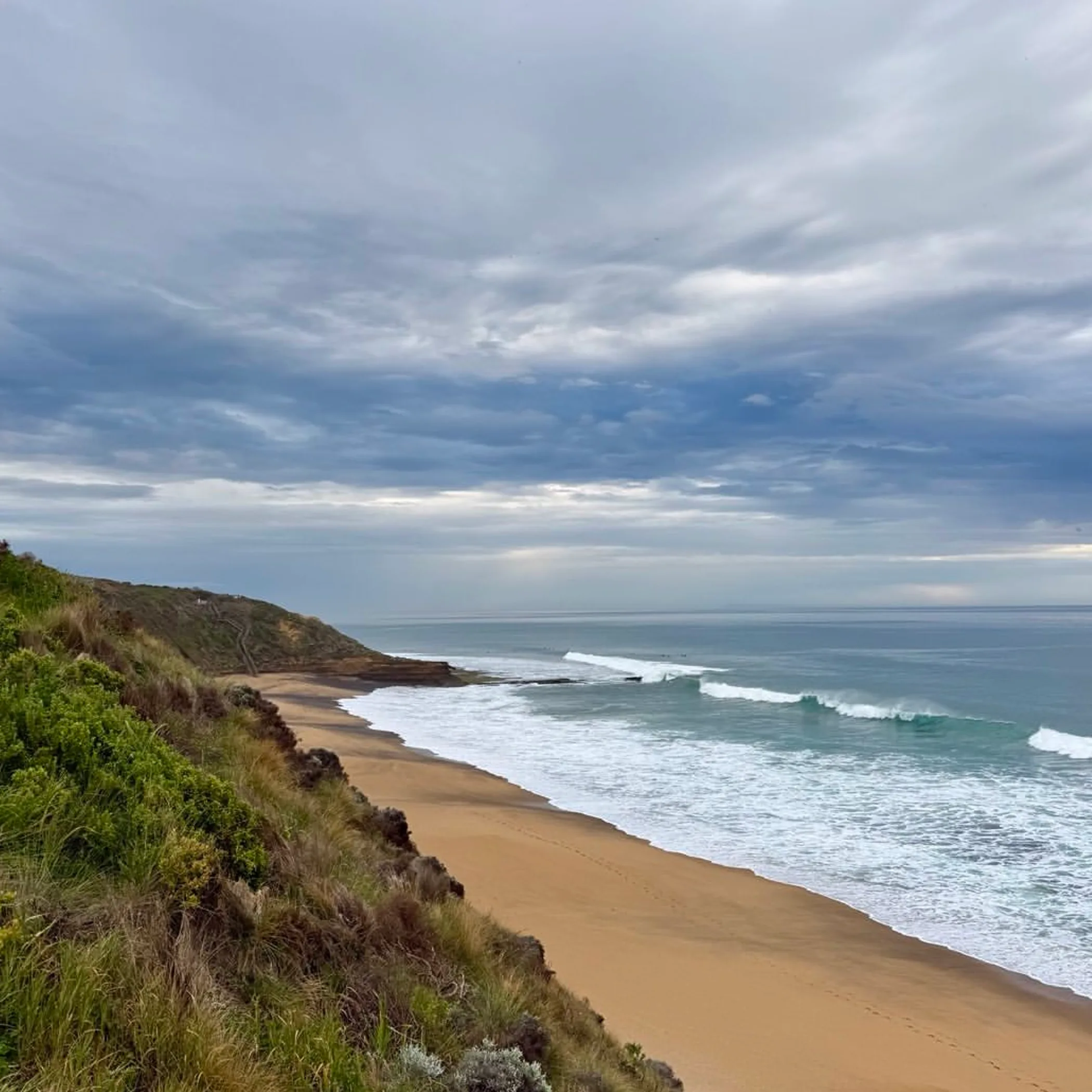
You could have several trips in one in Victoria given how varied it is, yet it is compact enough for a brief driving holiday. An hour or two out of Melbourne and you are in alpine country or on the rugged coast, in open bushland or at the vineyards.
Spring and autumn are normally preferred for scenic drives since they spare you the chill of winter and the height of summer heat without sacrificing daylight. For more ideas, see Victoria scenic driving routes. Mind you, on a long weekend or during school holidays you will find the well trodden routes are full up.
Make Your Scenery the Priority
Put the calendar aside and go for the experience. Head to the Great Ocean Road for the coast, the Yarra Valley for your food and wine, the Dandenong Ranges for a damp fern forest, the Grampians for some walking and rock, the High Country for mountain roads or Gippsland where the country roads are quieter and there are lakes and forests.
Do not be surprised if the conditions on a Victoria driving route alter with the distance from the coast or the altitude. It can be sunny in Melbourne and wet in the Otways, or a frost may be settling in the Victorian High Country while the Mornington Peninsula is mild. Be flexible with your itinerary instead of making a heroic effort to tick everything off before dinner.
Spring: Flowers and Water
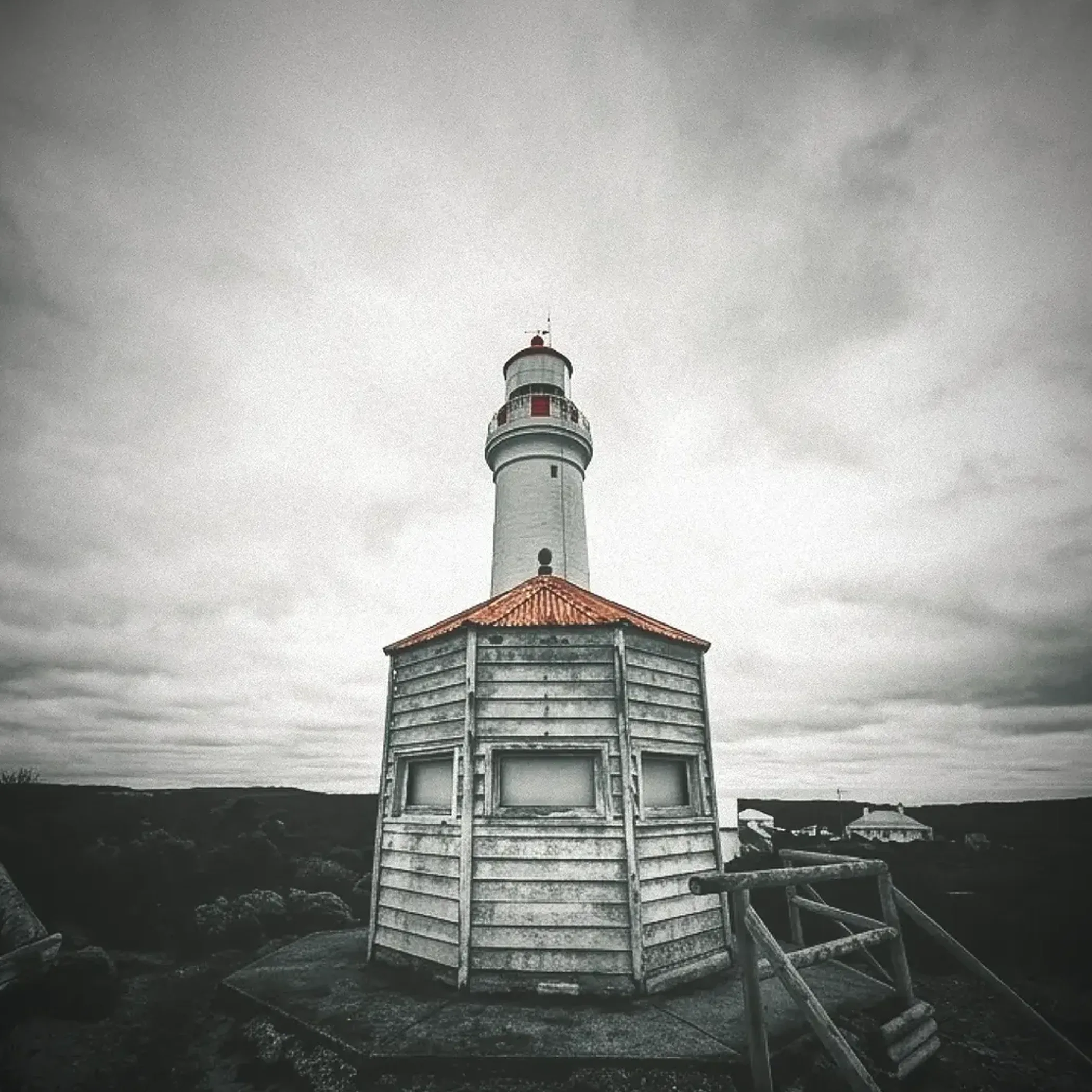
In spring the countryside is at its greenest and the waterfalls are in full flow, making it an ideal time for a drive in Victoria. Wildflowers put in an appearance along the reserves and roadside. One can be comfortable on foot or behind the wheel for the most part but rain and a change in temperature come with the territory.
Travellers looking for more than a day at the beach will do well this season. Have a rain jacket at hand and do not let a “mild” forecast lull you into thinking your boots will stay dry.
Some Spring Routes
On the Great Ocean Road in spring you should not just run a line from Melbourne to the Twelve Apostles but take in the lookouts and the Otways. After a rain the waterfalls are something to behold but the tracks can be slick and you may put up with some mud on the walking areas.
To see the wildflowers try some of the western and central regions of Victoria in the vicinity of the Grampians National Park. Do not count on a certain week to put on a show; check with the local visitor centre as flowering is dependent on location and the elements.
Driving in Spring
Wind is something people tend to underplay. When the weather is up strong the coastal roads are no place for high-sided vehicles unless you are careful. And if you intend to put in some time for photos, a walk or to let the rain subside, give yourself more leeway than the mapping app would have you.
Weekends can be busy and around school holidays accommodation in the better spots will be gone, so get in early for a powered campsite or a room for the family and dog. Come the off-peak times however, the independent or first time road tripper will find spring a very comfortable proposition.
Summer for the Coast and the Light
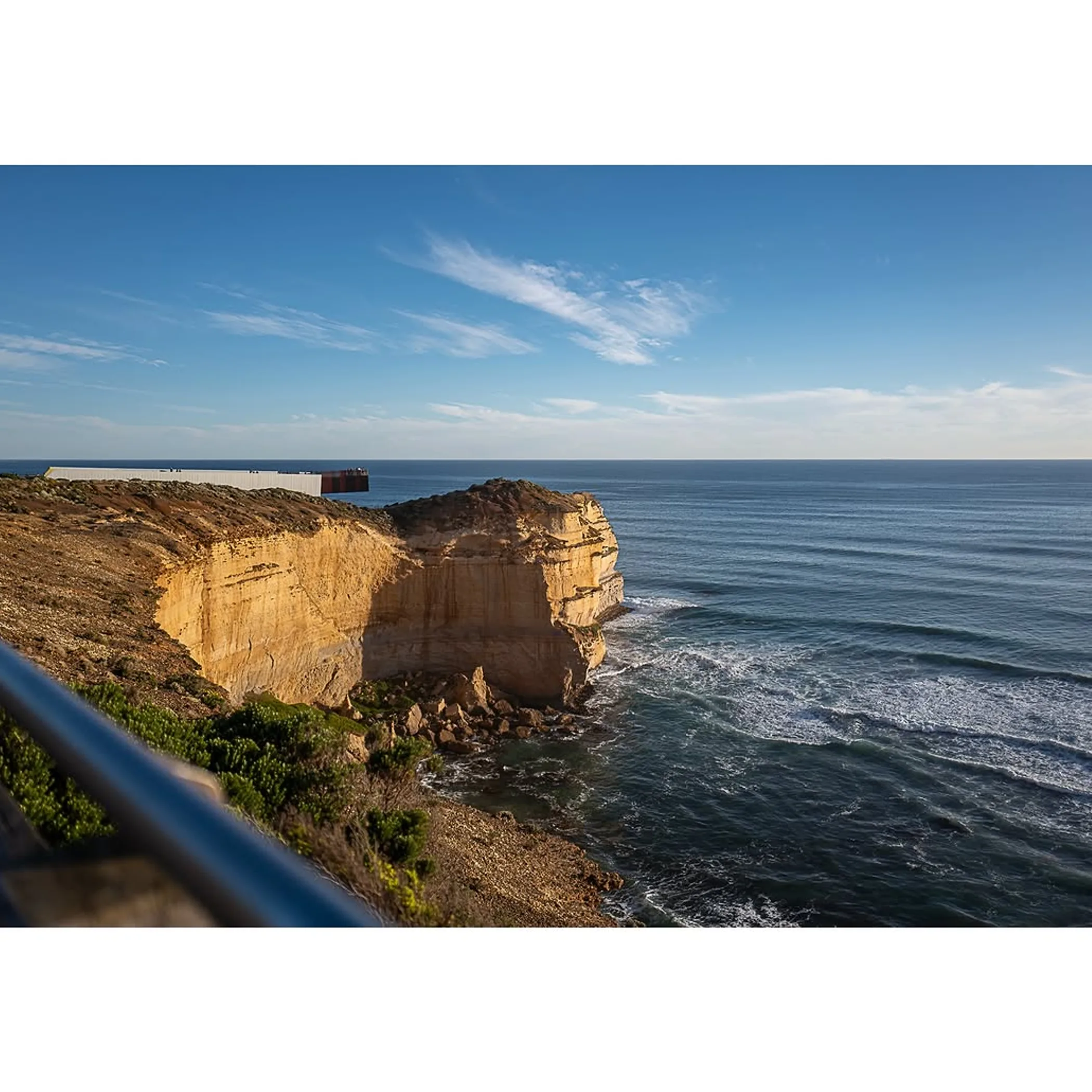
If your road trip is about outdoor dining, a swim and the coastal towns then summer is the way to go in Victoria. The hours of daylight lend themselves to an afternoon walk after a morning drive, provided heat and traffic or a bushfire closure do not interfere.
The coasts of Gippsland, the Mornington Peninsula and the Great Ocean Road are all very appealing in the summer months. They draw crowds too so expect to pay more for a room, find parking hard and by midday some of the lookouts are as thick as sardines. Summer is the time for coastal loops, not for getting too ambitious with inland zigzags.
Best Summer Routes
An itinerary on the Mornington Peninsula might have you on coastal roads and beaches for a short walk or two, then back through the hinterland. In Gippsland one can find longer routes to the lakes, forests and reserves of the coast, though it is wise to see what fuel is on offer before you put any distance between yourself and a decent town.
Then there is the Great Ocean Road. To do it justice and make proper stops, plan for a minimum of two days. You can put in a long day and come back from Melbourne in one, but that leaves no margin for a walk, some wildlife or an inclement sky. Going west along the coast and coming back by way of the interior will avoid some of the repetition but demands you time things right.
Risks And Costs In Summer
Parks and forest roads may be off limits due to bushfire conditions. Put some water in the car and do not let the tank run low; heed any road closure sign. And when you are out in regional Victoria, do not count on your mobile for reception, so get the official alerts before you set off.
As for cost, there is no set price. A hotel on a popular stretch of coast will be pricey in the school holidays, a campsite less so. For your own provisions, budget around 25 to 50 AUD a head for simple fare, more at the pub or café. These figures are for planning purposes.
Autumn: Foliage And Vines
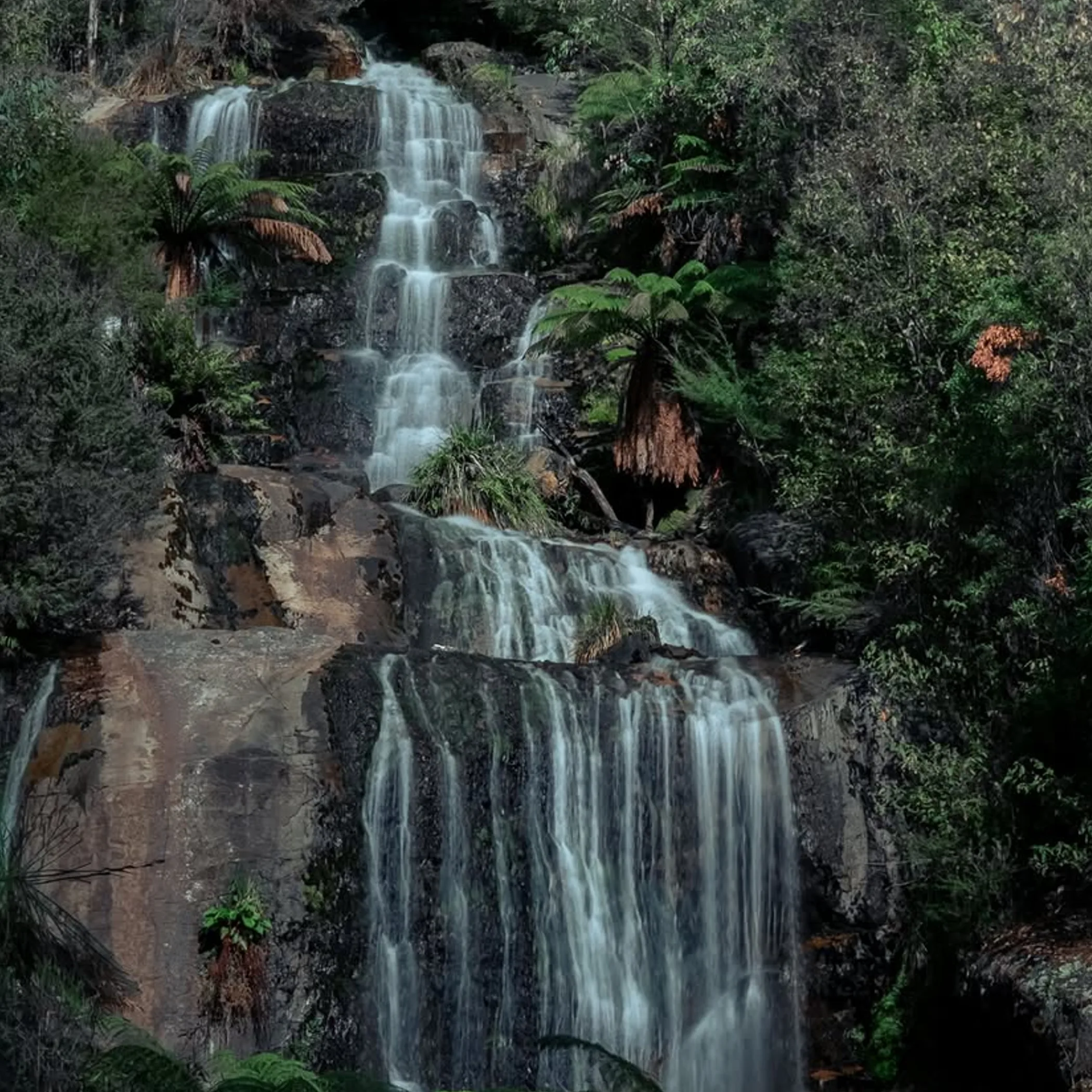
In Victoria, autumn is perhaps the most even-keeled season for a scenic drive. The air is cooler for walking and driving, the vineyards put on some warm tones and the roads in the Dandenong Ranges, Yarra Valley or High Country are quite another thing to their summer selves. Crowds are down too, barring the school holidays. The only drawback is the unpredictability of the foliage. A dry or warm spell can put an end to the display and colour comes and goes in different parts of the state. Nature has seen fit not to put in a booking system, which is inconvenient.
Routes For Autumn
The Yarra Valley is a straightforward option for a short break from Melbourne. There are farm shops, galleries and forest roads to be had as well as vineyards, but make sure there is a sober driver in the car if you intend to do some tastings. For a more leisurely sort of day with its fern gullies and village haunts, the Dandenongs are fine.
If you want to see the best of the autumn colours, go to the Victorian High Country. Bright serves well as a base for the mountain roads and valleys in the vicinity, while in and around Beechworth the pace is gentler and there are heritage streets and places to eat. But check the going before you venture into higher country; it gets cold after the sun goes down.
What To Expect (And What Not To)
You may think every road will be blanketed in gold. In fact, you will find green trees here and there, fallen leaves and the prettiest spots are not all in one place. So arrange your day for the landscape and good food as much as the foliage and you will be none the worse for it should the colours be tardy.
I have seen people leave it too late to make the return. The light is gone sooner in autumn than summer and winding roads need your full attention in the dark. It is better to have finished the mountain part of the trip before nightfall, especially on a road you do not know.
Winter For The Prepared

Those who like a bit of mist, a waterfall, dramatic weather in the mountains and a solid meal will find winter to their liking. The Otways, Dandenongs, Gippsland and the High Country are very atmospheric in the winter months, but you have to be more circumspect with the wet, the fog and now and then some snow.
It is not unsafe per se, just less forgiving. Daylight is at a premium and conditions on the road can turn on a dime. Some four-wheel-drive tracks are out of the question after a soaking. One would not want to turn a nice escape into a make-do bush expedition in poor tyres.
Recommended Winter Driving
For a first foray in winter, stick to lower risk ground. You will get your scenery and accommodation on the Yarra Valley or Mornington Peninsula and in parts of Gippsland without having to drive at altitude. The Great Ocean Road is also an option when the coastal weather is kind, if you can stand the wind and rain.
Experienced drivers will be more at home in the High Country, provided they have checked the forecast and the road reports. Snow and ice are a fact of life on the elevated roads and certain tracks call for the right vehicle. Do not be under the impression that four-wheel drive is a panacea for flooding, a branch across the road or bad visibility.
A Few Safety Matters
Make a point of checking the weather in Victoria, where you can get fuel and whether you can access your accommodation. Have a torch and a phone with charge on it, some food and water and warm clothing. If you are going to some remote corner of the country where you cannot be sure of reception, let someone know your plans.
Headlights should be on in fog and one would do well to put some extra distance between vehicles. When approaching a bend, slow down; do not wait until you are in the middle of it to make your move. And if the going gets rough, make a U-turn. The mountain is not going anywhere by next weekend unless it has other ideas.
Routes Matched To Seasons
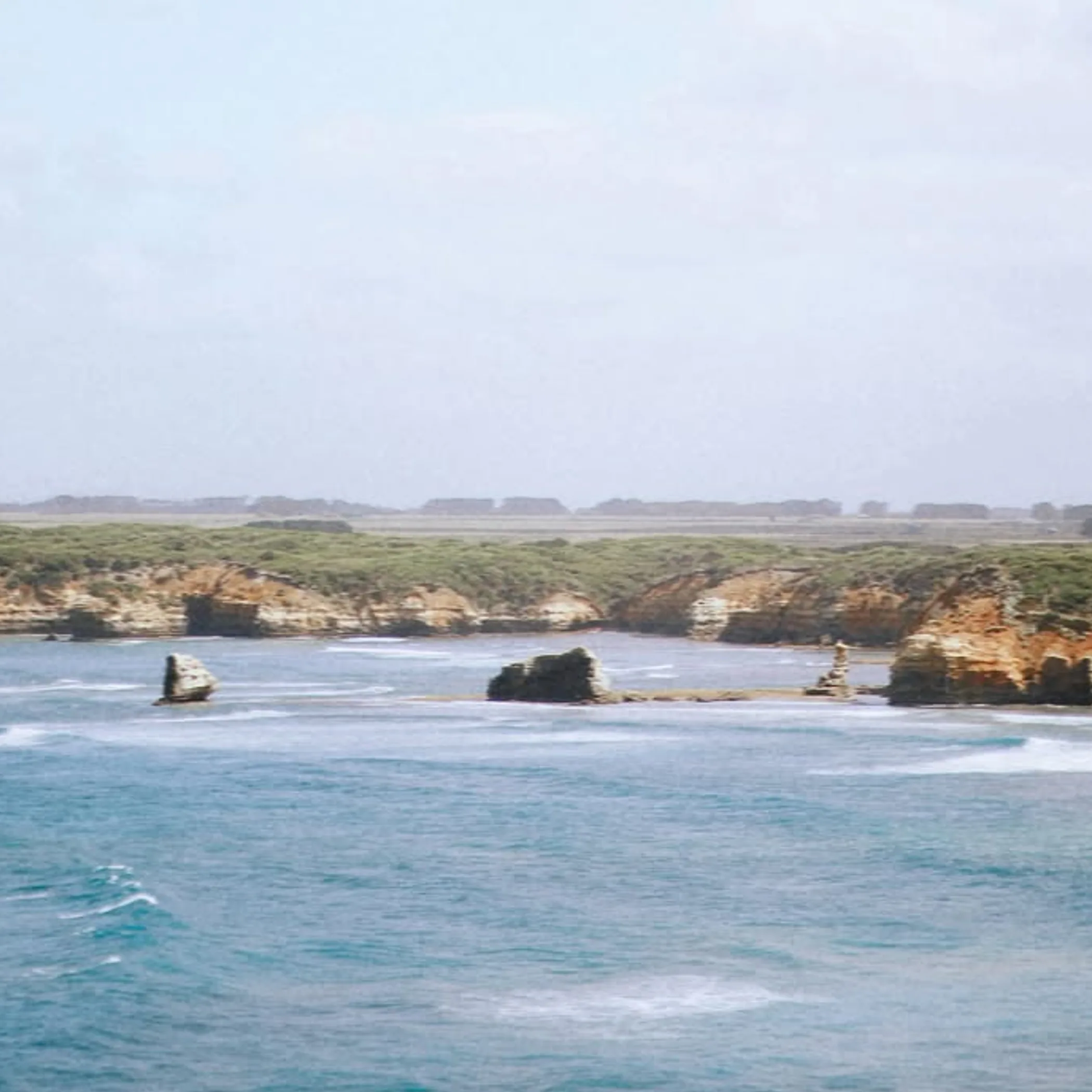
Below is a table of some familiar routes and the season that will generally afford the most pleasant experience. Take the distances and times as an approximation since roadworks, weather, traffic or any number of stops can have a marked effect on the day.
| Route | Approximate Distance | Best Season | Driving Character | Allow |
|---|---|---|---|---|
| Great Ocean Road | 240 km or so from Melbourne to the Twelve Apostles | Spring/autumn, a summer when it is settled | Coastal bends, lookouts, the odd busy town | Two days for no rush |
| Yarra Valley and Dandenong Ranges | 80-150 km with stops | Autumn or spring | Vineyards, forest roads, short walks | A full day |
| Mornington Peninsula | 150-250 km loop | Summer or autumn | Beaches, hinterland and coastal roads | One to two days |
| Victorian High Country | 300-500 km regional loop | Late spring or autumn | Valleys, elevation changes and mountain roads | Three to five days |
| Grampians National Park | 260 km from Melbourne to the park proper | Spring or autumn | Walks, open roads and rocky ranges | Two to three days |
| Gippsland | 250-500 km (coast and forests) | Any time in spring, summer or autumn | Long distances, lakes and wildlife | Three days plus |
Pick A Trip By Time
A single day is best spent in the Yarra Valley and Dandenong Ranges, on the Mornington Peninsula or along part of the Great Ocean Road. There is more to see and less of staring at the back of a lorry. Two days makes for a good overnight on the Great Ocean Road or a leisurely visit to the Grampians. For the High Country or Gippsland, allow three to five days. On these longer excursions one can accommodate a late start, a local meal or even a wrong turn that ends up being the highlight.
Plan Around Roads And Crowds
Seasonal planning is a matter of practicality. See to it that you have checked official sources for road information, park access and any local closures before you leave. For an idea of what conditions are like in Victoria, refer to the official traffic and road updates.
Do not be guided by a map for your time estimates. On a wet or foggy day a 100-km mountain route will eat up more of your time than a highway. Factor in parking, fuel and photographs. Regional towns tend to have restricted hours once summer is over.
Simple Departure Checklist
- Have a look at the forecast, fire info and road conditions.
- Top up the tank ahead of any remote or mountainous terrain.
- Put maps on your phone in case reception lets you down.
- Tyres, lights, windscreen washers and the spare-wheel equipment should all be in order.
- Pack a torch, water and snacks, something warm and a first-aid kit.
- Make early booking for accommodation on long weekends and school holidays.
You will find parking at the better trailheads and lookouts easier in the morning. Do not put the car on a narrow shoulder or a bend. And on country roads after dawn or at dusk keep the speed down; animals have a way of making a sudden appearance.
FAQ
The following are answers to the sort of questions that tend to dictate a Victoria road trip. They should be taken as a guide in your planning, not an assurance that the weather will oblige; conditions vary from one place to another.
Great Ocean Road: the ideal month?
April is a good bet for the autumn comfort and the fact that crowds thin out when there is no holiday on. The coastal scenery is still at its finest. One could make an argument for spring as well. Do not put all your stock in the calendar however, see what the wind and rain are doing, enquire about accommodation and any roadworks before you put down a booking.
When is the right time to be in Victoria, Australia?
For a scenic drive you will find spring and autumn give the most even set of conditions. Summer is for the long days and the beach, winter for a more sedate regional outing with waterfalls and mist.
Is it wise to do a road trip in Victoria come autumn?
It is. You get cooler temperatures for the drive and the vineyards and foliage put on a show, in the High Country or the Dandenong Ranges and Yarra Valley for instance. Put in a booking early for the well known foliage spots and be prepared to call it a day a little sooner as the light goes.
Victoria’s top scenic drives
There is the Great Ocean Road, the Grampians National Park, Gippsland, Mornington Peninsula, Victorian High Country and the Yarra Valley and Dandenong Ranges among the usual suspects. It comes down to your inclination for mountains, coast, some wildlife or a walk in the forest.
How much time to allow?
A compact loop can be done in a day. For the Grampians plan on two to three days, for the High Country or Gippsland three to five. Two days will see you through a part of the Great Ocean Road without being in a hurry. If camping or a few impromptu stops are on the agenda, factor in extra time.
Winter driving in Victoria
In the higher country you will encounter cold, frost, wet roads and fog to go with the reduced daylight. Forecasts and closures should be checked. Temper your speed and have warm things to hand. Unless you are experienced and have the vehicle for it, steer clear of four-wheel-drive tracks you do not know after a heavy rain.
Wildflowers
Regional Victoria has them in spring, the Grampians and protected reserves included. But how they display is a matter of local conditions and rainfall. A word from the visitor centres on where things are flowering will tell you which way to head.
Are the roads safe in the winter months?
They can be if you are sensible with your speed. Then again, the driver, the car, the elevation and the weather all play a part. There are hazards to be had from flooding, ice in the mountains, fallen branches and coastal winds, so make sure of the conditions before you tackle any leg of the journey.
To make the most of the season
Spring and autumn are best for balance, summer for the coast and winter for those who like their landscapes undisturbed. Be accommodating of the road and the route.
My counsel is straightforward: do not try to cover too many kilometres, be flexible and put the hard driving behind you while there is still light. Time to put the billy on, take in the view and make it home without any roadside drama, that is what a fine road trip in Victoria is about.