Blocked Drains Causes And Prevention Australia
You will find the subject of blocked drains in Australia less of a mystery if you trace the mess to where it comes from. For the majority of homes, a residential blockage is the work of ordinary waste such as hair, soap scum, fat or grease, food scraps and things that have no business going down the toilet. Then there are tree roots, stormwater debris and any damage to the pipes that can make a nuisance of a minor restriction.
Evelyn Marlowe has put together this guide to cover the usual suspects behind a blocked drain, how to put off the need for one, the signs of trouble and the point at which professional cleaning is warranted. It is relevant for all of Australia, be it an older suburb or a household contending with Melbourne conditions and seasonal surges in the stormwater, including typical Melbourne household plumbing problems.
What Causes Blocked Drains In Australian Homes?
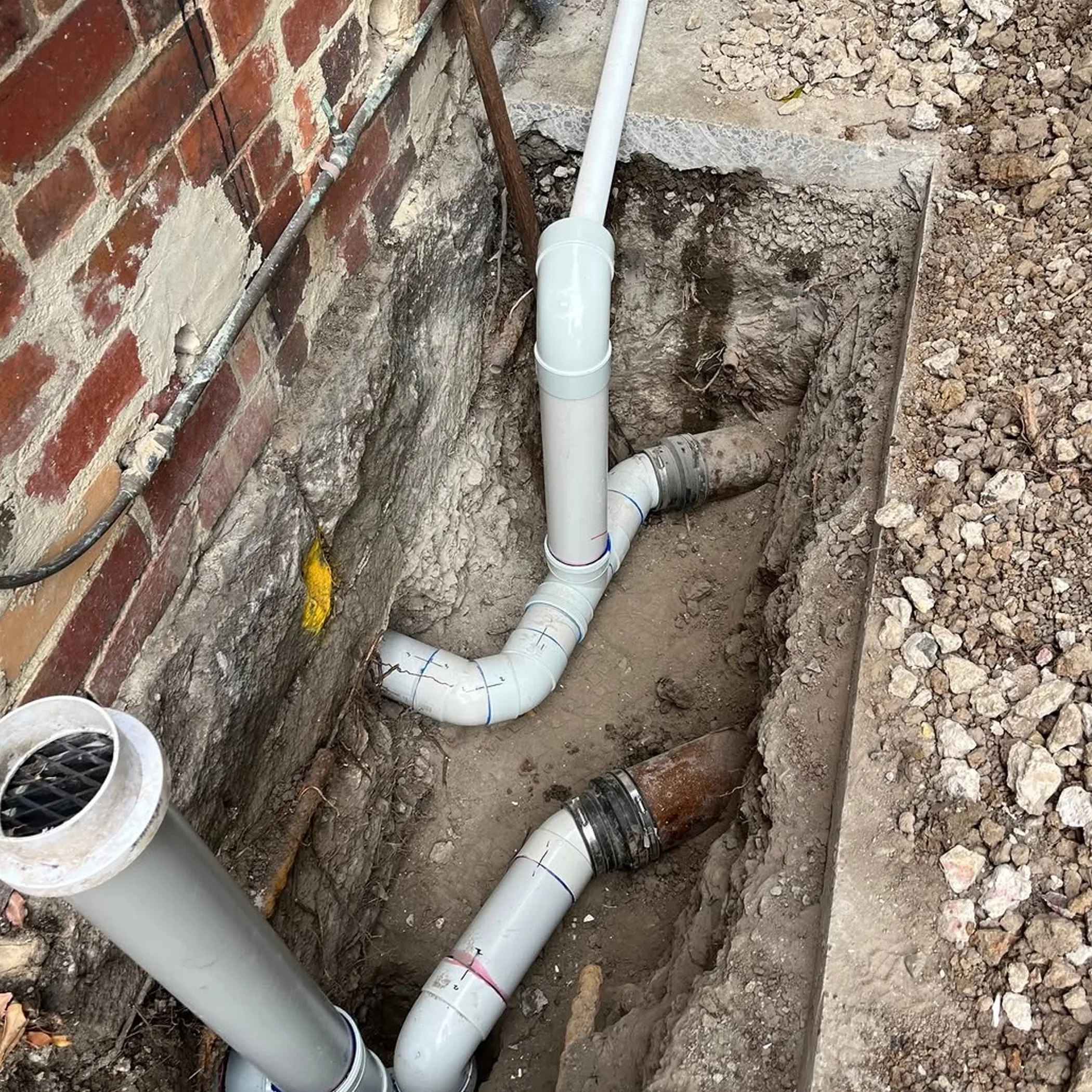
It is a gradual process as a rule. A pipe constricts, the wastewater does not run as freely and then a load of paper, hair or grease puts the finishing touches on it. Since a blockage is not going to identify itself, an idea of the cause is what informs a sensible course of action.
The one-fixture test is worth trying. Should the problem be confined to a single sink, shower or toilet, the blockage is probably in its vicinity. When two or more fixtures back up or are slow to drain, you are likely looking at an issue with the sewer connection or a common wastewater pipe.
| Likely Cause | Common Location | Typical Clues | Useful First Response |
|---|---|---|---|
| Hair and soap scum | Shower or bathroom basin | Standing water, slow draining | See to the visible waste and give the grate a clean |
| Fat, oil and grease | Kitchen sink | Recurring slow flow, gurgling and bad odours | Cease putting grease in the sink |
| Tree root intrusion | Sewer lines, outdoors | More than one fixture affected, blockages come back | Have a professional take a look |
| Damaged pipes | Underground drainage | Will not stay clear | Put in for a CCTV inspection of the drain |
| Stormwater debris | Pits and yard drains | Overflows in hard rain | Clear away leaves if you can do so safely |
Hair, Soap Scum And Bathroom Waste
In the bathroom, hair and soap scum are prime offenders. Hair will lodge on the rough interior of the pipe and soap residue makes a sticky mat of it. Toss in some shaving stubble, skin flakes and now and again a piece of bath toy and the drain has something of a committee to contend with.
A complete stoppage is not always the first sign; often the water lingers after a shower for a minute or so. That is telling you the pipe is running low on capacity. A strainer over the shower waste and the odd clean of the grate will keep most of it from getting any further.
Grease, Fat, Oil And Food Scraps
Kitchen drains get clogged by grease. What is liquid in the pan cools in the pipe and adheres to the walls. Food scraps will stick to the coating and form a solid mass; in some systems enough fat and waste can build up into a fatberg, as unappealing as it sounds.
Hot water is no solution for washing cooking oil down the sink, it will only displace the grease for a while. Allow any fat to cool, use a scraper or paper on the pan and dispose of it with your household rubbish or recycling as the local council would have it.
Tree Roots And Underground Pipes
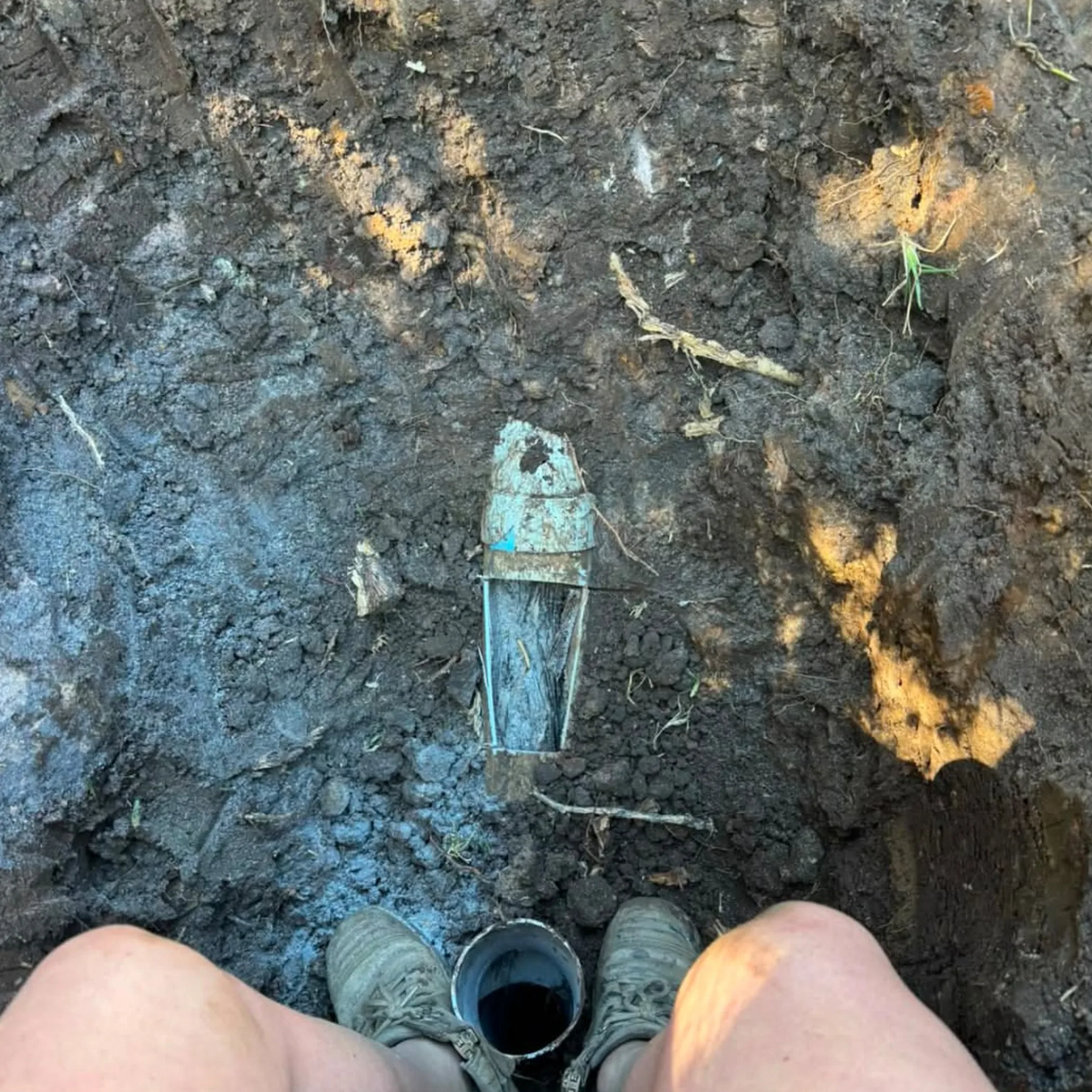
Roots can be the source of a blockage that keeps coming back. They will find their way through a crack or joint in a wastewater pipe in search of moisture and ensnare anything from toilet paper to grease. You may clear it but the relief is short lived.
This is more of an issue with ageing materials, big gardens and older properties. To see what is going on with the pipe a plumber might employ a CCTV inspection. While high-pressure jetting will deal with many obstructions, renewal of the pipe or some other repair could be in order.
Damaged Pipes And Stormwater Debris
Old clay pipes wear out and there is the occasional poor installation, but ground movement, construction and corrosion are also to blame for damaged pipes. Where there is a misalignment or collapse in the pipe, flow is impeded and waste has a place to accumulate. Should a drain prove recalcitrant and block time and again once put right, one would do well to have the pipe looked at.
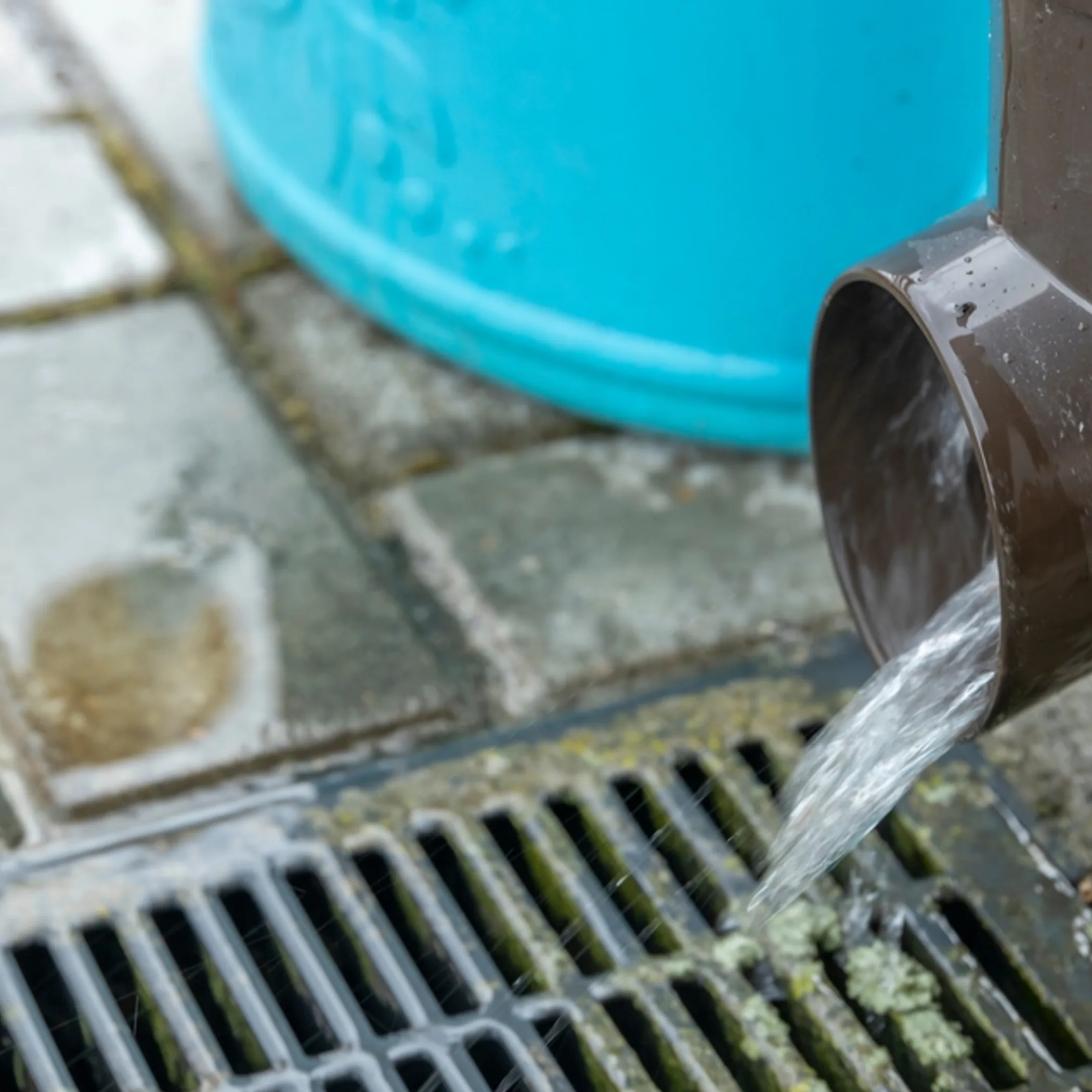
Then there is the matter of stormwater debris. An outdoor drain can be inundated with leaves, small branches, mud and mulch when the rain is heavy enough, and this is trouble of another kind. When the stormwater system is obstructed, water will pool on the driveway, by the front door or along paths. In such weather it is not worth courting electrical danger, unstable footing or foul water for the sake of a good story; leave flooded pits alone and do not try to heave up any covers.
Toilet Blockages from Unflushable Items
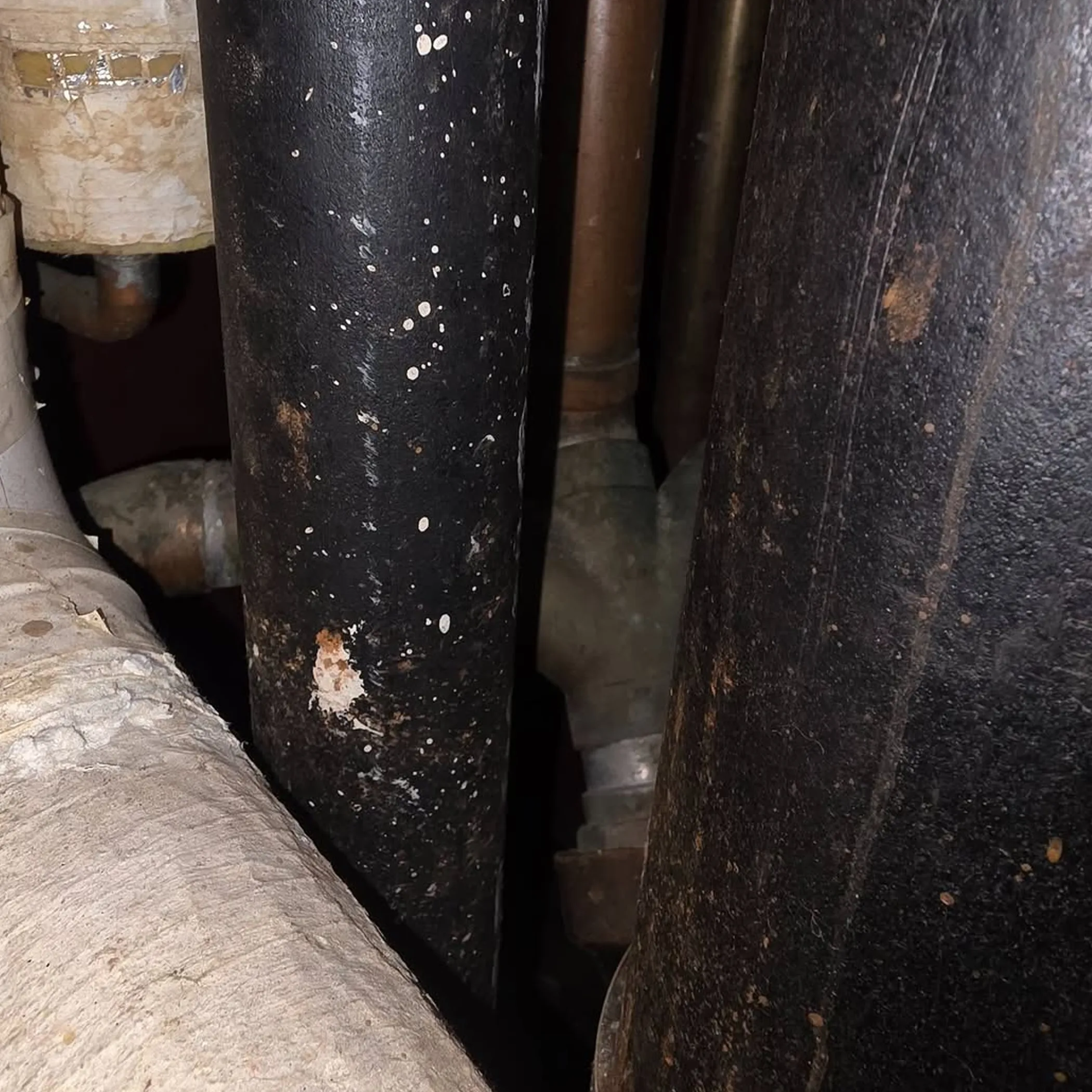
The purpose of a toilet is to convey human waste and paper to the drainage system. Some household bins might inspire confidence to the contrary but they are not to be used as a rubbish chute. Nappies, cotton buds, wet wipes and sanitary ware have a way of swelling or latching on to other waste.
In many cases an unflushable item will make its way some distance from the toilet before making itself known, so the source of the problem is not easy to pin down. Do not be fooled by the ‘flushable’ label on a product; it will not always disintegrate in the same fashion as toilet paper in your plumbing. The rule of thumb is straightforward: if it is not toilet paper and did not come from you, it goes in the bin.
- A liner in a small bathroom bin is recommended, and see that it is emptied on a regular basis.
- Make it clear to children the toilet is no toy, test lab or boat ramp.
Blocked Drain: Warning Signs
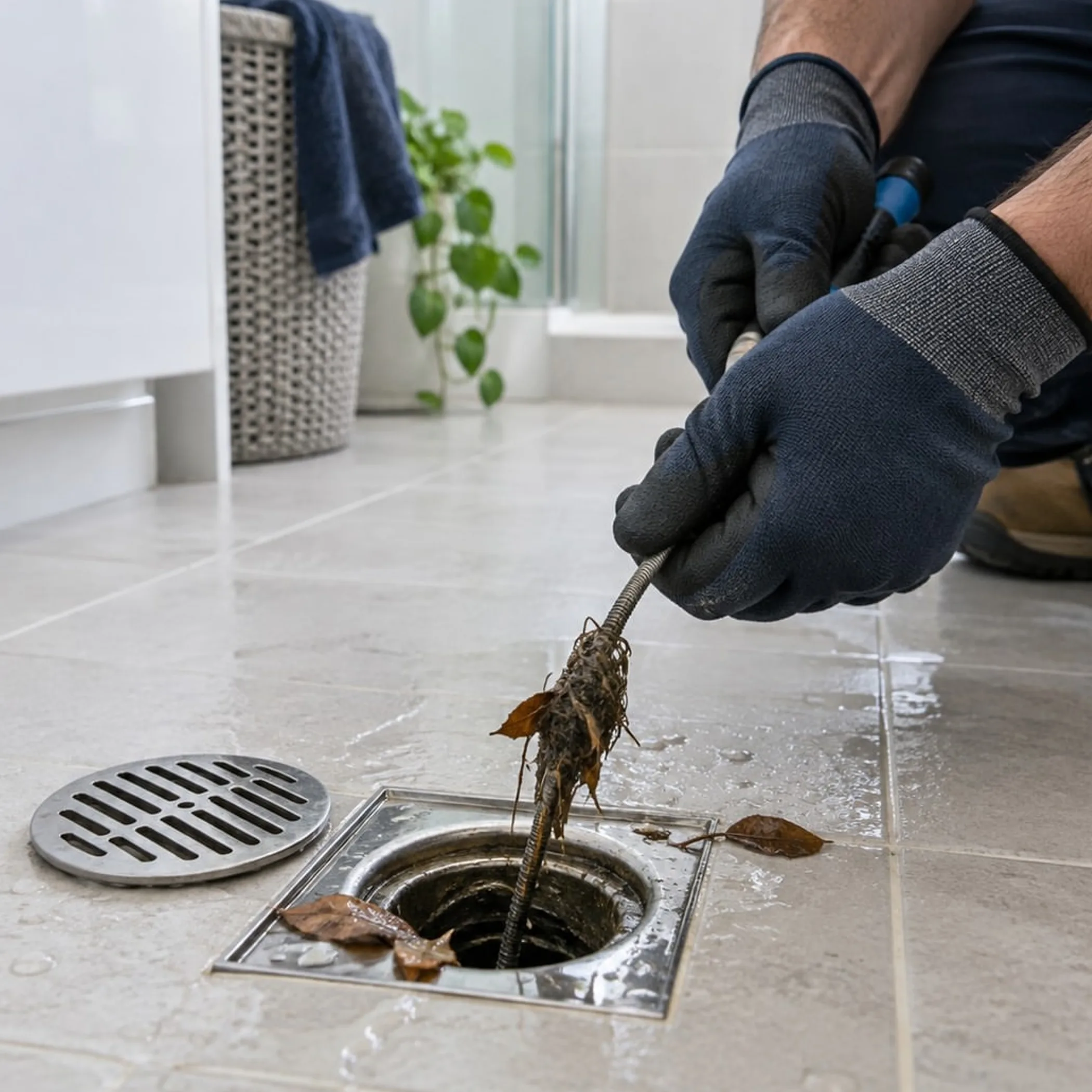
There are signs of a restricted flow in the system – gurgling, a slow drain, an odour or water coming up in an adjacent fixture – that should prompt action before wastewater ends up on the floor.
An overflow demands to be dealt with without delay, particularly where the water is unsavoury and has made its way into living quarters. Have the area properly cleaned, keep skin contact to a minimum and ensure pets and children are not in the vicinity of contaminated water. A single basin running slowly is one thing; if more than one fixture is involved the urgency is greater.
Reality Check
One might think a chemical or a quick plunge is all that is needed. In fact a short term fix can mask a deeper blockage, tree root intrusion or a pipe in need of repair. And when the cause is still there the symptom will reassert itself, hence the drain blocking up shortly after being cleared.
It is also a mistake to hold the last user of the bathroom to account. Plumbing does not keep diaries. A week or more may have gone by before a blockage shows itself after a flush or a shower.
Preventing Blocked Drains
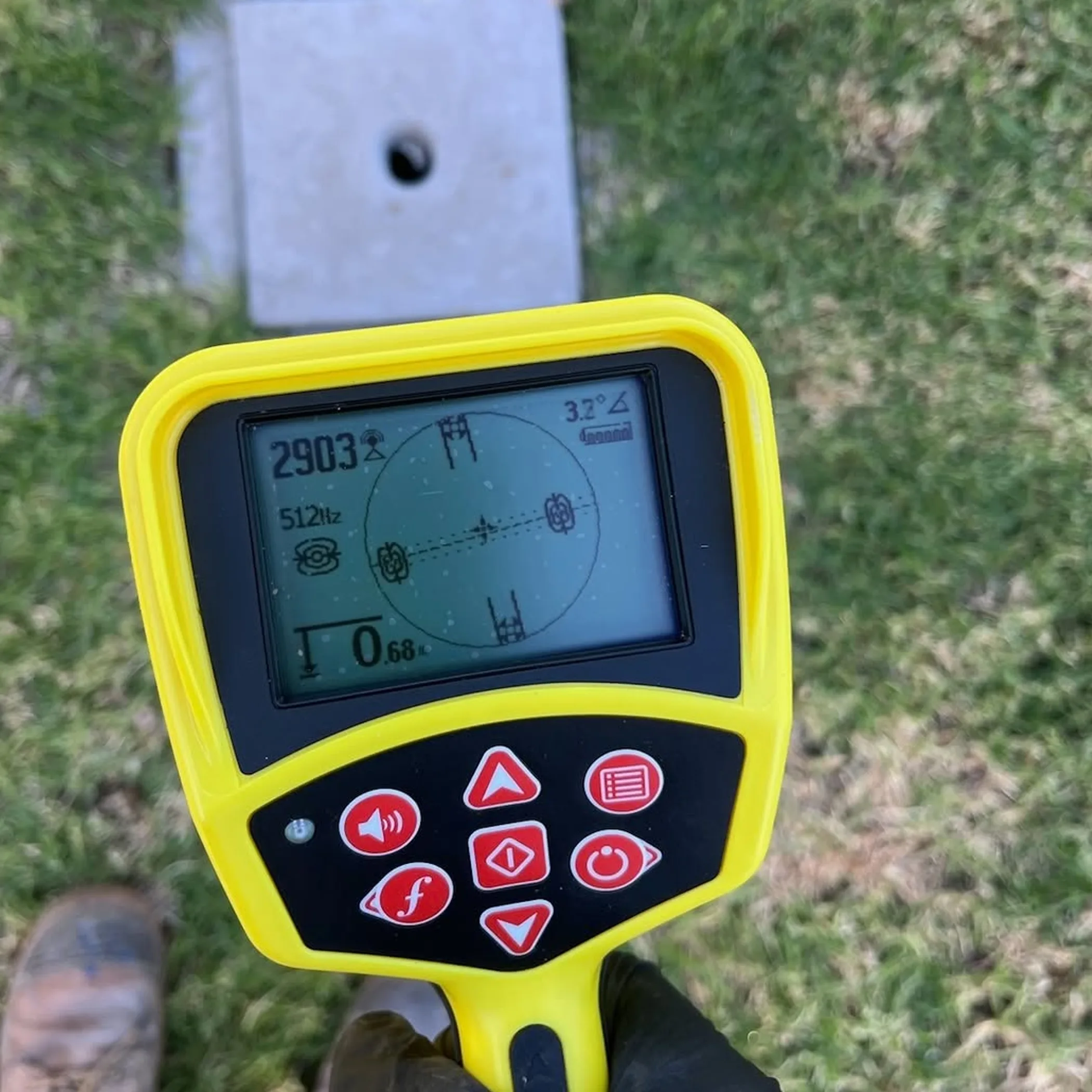
Routine maintenance is hardly complicated but it should be part of your regimen. Forming a few habits to limit the grease, solid waste and other material in your pipes is much less expensive than an emergency overflow.
You have to know your property too. Newer homes with modern pipework are one thing, but older underground drainage or mature trees on the premises call for more frequent inspection.
Simple Barriers For The Home
Put strainers on the kitchen sink, shower wastes and bathroom basins. The contents of these go in the bin, not to be rinsed down another drain. Give the shower grates a clean and clear leaves from the outdoor pits ahead of a rainy spell.
At the kitchen sink, scrape off plates to the compost or bin first. A paper towel or scraper will do for greasy pans; do not put it to the detergent and hot water to get fat through the whole of the network.
A Maintenance Plan
Monthly checks of the outdoor drains and visible grates are in order, or more often in leafy season or under hard rain. If the water is not draining as it should, take note of it rather than putting off the sink until matters become dramatic.
Record any repairs, known roots or recurring blockages. It is a help to the plumber in spotting patterns and spares you the cost of the same stop gap over and over. With an old property it is worth inquiring about a CCTV inspection of the line to get a better read on its condition.
Clearing Methods That Are Safer
Used properly a plunger will see you past a minor obstruction. But be careful with chemical products and heed the instructions. Under no circumstances mix them with bleach, acids or other cleaners as the fumes or reaction can be hazardous.
The fizz you get from a combination of baking soda and vinegar is not going to dislodge a real blockage. It might be enough to shift some surface residue but it will do nothing for damaged pipes or tree roots that have taken hold. Where the drain is completely obstructed, with an overflow at several fixtures, one would be better off having a professional look at it.
Call A Professional Plumber
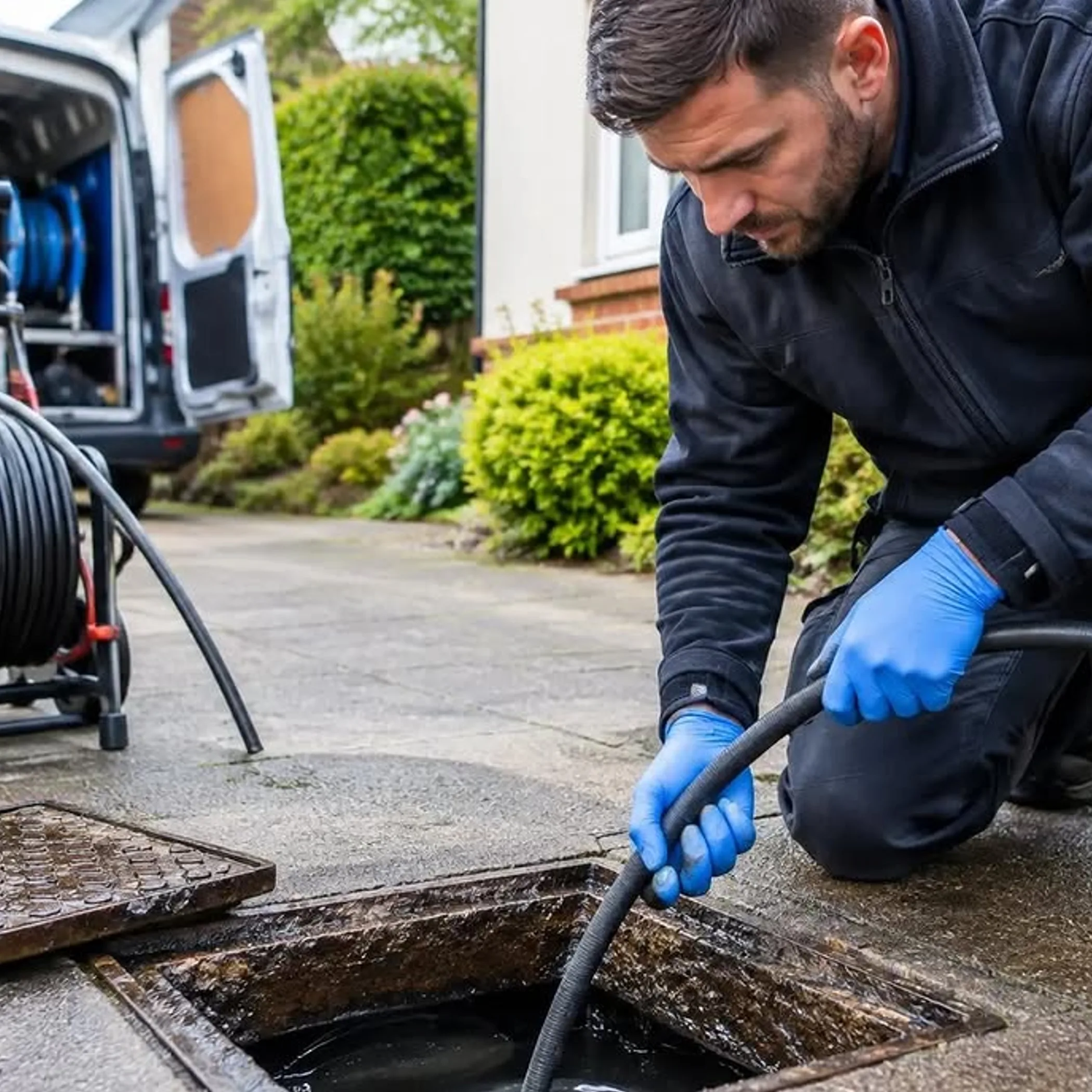
A qualified plumber should be on the scene if you are dealing with wastewater backing up in the home, multiple fixtures are compromised, or there is reason to think tree roots are involved. The plumber will put his judgment to the test to determine the cause of the blockage; the work he puts forward may be a temporary fix or something more permanent. Make sure the fee covers the inspection, any equipment and follow-up as well. Such questions are good protection when one is in slippers next to an overflowing drain. Depending on what is found, the job could entail a CCTV drain inspection, high-pressure water jetting or other mechanical means.
In Australia the onus for a blocked sewer drain is a matter of local water authority rules and where the blockage is. The owner is generally responsible for private house drains and the public sewer main is in the hands of the water or wastewater authority. Do not assume the bill is someone else’s without first consulting your local authority. For further detail on water and wastewater services the Victorian Government has information available.
Melbourne presents its own set of complications by way of older housing and a mix of underground infrastructure alongside established trees. You may hear talk of typical plumbing problems in the city such as stormwater issues or old pipe joints giving way, but an inspection is the only way to know what is wrong with your property.
Frequently Asked Questions
We offer these answers to the usual questions on blocked drains, no two properties being laid out in the same fashion. An overflow of wastewater is a repair, not an experiment to be had at home.
What Is The Biggest Cause Of Blocked Drains?
You will not find one cause in all Australian homes. In the kitchen it is often fat and oil, grease and food, in the bathroom hair and soap scum. More intractable or recurring blockages can be put down to unflushable items, tree roots or a damaged pipe.
Why Baking Soda And Vinegar Are Not The Answer
They make a bit of a fuss but they do not clear a compacted or deep blockage with any reliability. A major sewer obstruction or tree root is beyond them. For a small localised problem a plunger will suffice, otherwise a professional opinion is warranted.
Who Has To Deal With A Blocked Sewer Drain In Australia?
It comes down to location. Private pipes within the boundary are normally the property owner’s concern, the public sewer main the water authority’s. If the line is not clear, put in a call to a licensed plumber or the authority.
How To Keep Blockages At Bay
Drain strainers are worth using and greasy pans should be wiped before they go in the sink. Put wet wipes and sanitary products in the bin, not the drain. Be attentive to any gurgling or slow drainage and have mature trees or clay pipes inspected from time to time.
Are Wet Wipes Flushable?
Do not be misled by the packaging. They are a frequent culprit of toilet blockages and can congeal with debris further down the system as they do not break down in household pipes fast enough.
Keep Your Drains Moving
Prevention and dealing with the causes of blocked drains in Australia is best done with regular maintenance. Do not write off a repeat blockage as misfortune, investigate it. Solid waste and grease have no place in your pipes. A quick response to a slow drain and a sensible bathroom bin will save you from much damage. Should you have to contend with tree roots, damaged pipes or an overflow, professional drain cleaning is the more economical and prudent course of action.